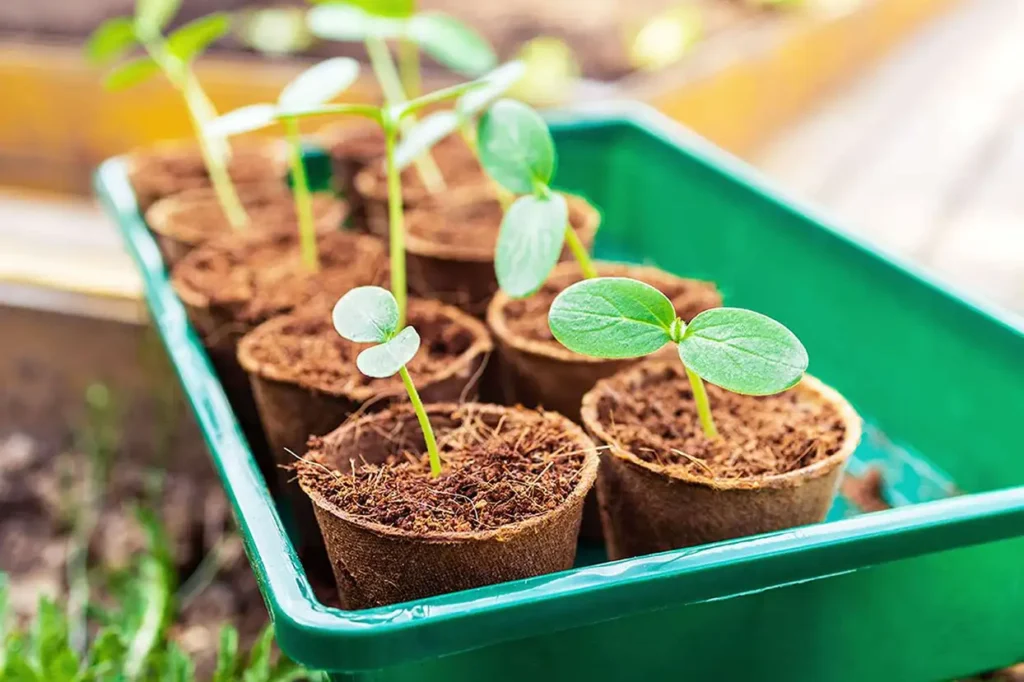
Think You Know Seedlings? These 7 Myths Say Otherwise – Starting plants from seeds can be one of the most rewarding aspects of gardening. Whether you are growing vegetables, herbs, or flowers, healthy seedlings are the foundation of a productive garden. However, many gardeners—especially beginners—follow outdated advice and misconceptions that can hinder plant growth.
If you think you know everything about seedlings, these seven common myths may surprise you. Understanding the truth behind them can help you grow stronger, healthier plants and enjoy greater success throughout the growing season.
Myth 1: Bigger Seedlings Are Always Better
Many gardeners believe that larger seedlings are healthier and more productive. While size can indicate growth, bigger does not always mean better.
Overgrown seedlings often become root-bound or leggy, making it difficult for them to adapt after transplanting. A compact seedling with sturdy stems and healthy leaves is usually a better choice than one that has grown excessively indoors.
The Truth
Healthy seedlings should have:
- Strong stems
- Vibrant green leaves
- Well-developed roots
- Compact growth
Quality matters far more than size.
Myth 2: More Water Means Faster Growth
Water is essential for plant development, but too much water can do more harm than good. Overwatering is one of the leading causes of seedling failure.
Constantly wet soil prevents roots from accessing oxygen and creates ideal conditions for fungal diseases and root rot.
The Truth
Seedlings prefer consistently moist soil rather than saturated conditions. Allow the surface of the soil to dry slightly between waterings and ensure containers have proper drainage.
Proper watering encourages stronger root systems and healthier growth.
Myth 3: Seedlings Need Direct Sunlight Immediately
Many people assume seedlings should be placed under intense sunlight as soon as they emerge. While light is crucial, excessive heat and direct sunlight can stress young plants.
Newly sprouted seedlings are delicate and can easily become dehydrated or scorched.
The Truth
Most seedlings thrive with:
- Bright indirect light
- Grow lights positioned appropriately
- Gradual exposure to outdoor sunlight
Hardening off seedlings before transplanting helps them adjust to outdoor conditions and reduces transplant shock.
Myth 4: Fertilizer Should Be Applied Right Away
It may seem logical to feed seedlings immediately to accelerate growth. However, young seedlings contain enough nutrients from the seed itself during their earliest stages.
Applying too much fertilizer too soon can damage tender roots and cause nutrient burn.
The Truth
Wait until seedlings develop their first set of true leaves before introducing fertilizer. Use a diluted, balanced fertilizer and apply it sparingly.
Moderate feeding supports healthy growth without overwhelming the plant.
Myth 5: Seedlings Can Be Transplanted Anytime
Some gardeners assume that seedlings can be moved to the garden whenever they appear ready. Timing, however, plays a critical role in transplant success.
Planting too early can expose seedlings to frost, temperature fluctuations, and harsh weather conditions.
The Truth
Before transplanting, consider:
- Soil temperature
- Air temperature
- Frost dates
- Weather forecasts
Giving seedlings enough time to acclimate through hardening off can significantly improve survival rates.
Myth 6: All Seeds Germinate the Same Way
A common misconception is that every seed follows identical germination requirements. In reality, different plants have unique needs.
Some seeds require light to germinate, while others need darkness. Certain species prefer warm soil, whereas others thrive in cooler conditions.
The Truth
Always check the specific requirements for each variety. Important factors include:
Germination temperature
Moisture levels
Planting depth
Light exposure
Understanding these requirements increases germination rates and reduces frustration.
Myth 7: Leggy Seedlings Are Normal
Long, thin stems are often accepted as a natural stage of seedling development. In reality, leggy seedlings are usually a sign of insufficient light.
Weak stems make plants more susceptible to breakage and poor performance after transplanting.
The Truth
To prevent legginess:
- Provide adequate light for 12–16 hours daily.
- Position grow lights close to the seedlings.
- Rotate containers regularly.
- Maintain proper spacing between plants.
Strong, compact seedlings are more likely to thrive in the garden.
Why Seedling Knowledge Matters
Healthy seedlings determine the future success of your garden. Mistakes made during the early stages can affect flowering, fruit production, and overall plant vigor.
By avoiding these myths, gardeners can:
- Improve germination success.
- Reduce disease problems.
- Encourage stronger root development.
- Increase yields and flower production.
- Minimize transplant shock.
Good gardening practices begin with understanding what seedlings truly need rather than relying on outdated advice.
Tips for Growing Healthy Seedlings
If you want vigorous young plants, follow these simple guidelines:
Use Quality Seed-Starting Mix
Lightweight and well-draining soil promotes root development and reduces disease risks.
Provide Adequate Lighting
Seedlings need plenty of light to develop sturdy stems and healthy foliage. Grow lights are often more reliable than windowsills.
Avoid Overcrowding
Too many seedlings competing for space can lead to weak growth and increased disease pressure.
Monitor Moisture Levels
Keep soil evenly moist but never waterlogged.
Ensure Proper Air Circulation
Good airflow helps prevent fungal diseases such as damping-off, which can quickly destroy young plants.
Harden Off Before Planting Outdoors
Gradually introducing seedlings to outdoor conditions strengthens them and reduces stress.
Final Thoughts
Growing seedlings successfully is both an art and a science. While gardening wisdom is often passed down through generations, not all advice is based on current knowledge or best practices.
These seven myths demonstrate that common beliefs can sometimes mislead even experienced gardeners. By understanding the facts and providing the right conditions, you can raise stronger seedlings that develop into productive and resilient plants.
So, the next time you start seeds, remember that healthy growth depends not on myths, but on informed care. A little knowledge in the early stages can lead to a flourishing garden and a more rewarding gardening experience.
Article posted by: toko belerang – belirangkalisari