Uneven concrete surfaces are a common concern for residential and commercial property owners. Over time, soil settlement, moisture changes, erosion, and inadequate ground support can cause concrete slabs to sink, crack, or become uneven. These problems can affect driveways, sidewalks, patios, garage floors, pool decks, and commercial walkways. Besides creating an unattractive appearance, uneven concrete can introduce tripping hazards, drainage difficulties, and accessibility concerns. Polyurethane foam concrete leveling offers a modern repair approach that can help restore the position of suitable concrete slabs without requiring complete removal and replacement. Property owners interested in maintaining safe, functional, and attractive outdoor and indoor spaces increasingly consider professional concrete leveling when existing surfaces begin to show signs of settlement.
Choosing the right repair company is essential because successful concrete leveling involves more than filling gaps beneath a slab. Professionals must identify why the concrete moved, evaluate the condition of the supporting soil, and determine whether the existing slab is suitable for lifting. Experienced specialists use appropriate equipment and carefully controlled installation procedures to achieve the desired results. Polyurethane foam concrete leveling is particularly useful in suitable applications where lightweight support material and minimally invasive installation are important considerations. For property owners throughout North and South Carolina, Tar Heel Foundation Solutions provides specialized concrete lifting and foundation-related services designed to address settlement concerns and improve the functionality of residential and commercial properties.
Understanding Polyurethane Foam Concrete Leveling
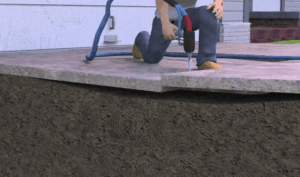
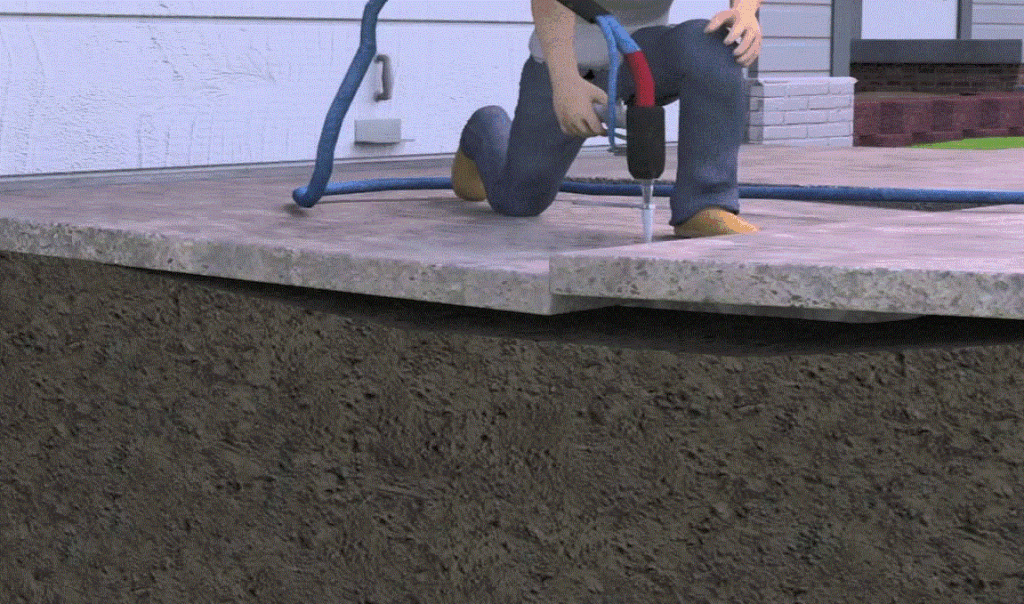
Polyurethane foam concrete leveling is a repair technique that uses specially formulated expanding foam to lift and support settled concrete slabs. The process typically involves drilling small access holes through the affected concrete and injecting a controlled amount of polyurethane material underneath the surface. As the foam expands, it fills available voids and creates lifting pressure that can gradually raise the slab toward its intended position. Once the material cures, it forms a supportive structure beneath the concrete. This method can be suitable for various applications, including sidewalks, driveways, garage floors, patios, and selected commercial concrete surfaces. Unlike traditional replacement methods, foam leveling generally preserves the existing slab when its structural condition allows. The actual outcome depends on the concrete’s condition, soil characteristics, void distribution, and the technician’s ability to control material placement and expansion.
Common Causes of Uneven and Sunken Concrete
Understanding why concrete becomes uneven is an important part of selecting an effective repair solution. Soil erosion is one common cause, particularly when rainwater or poor drainage gradually removes supporting material beneath a slab. Changes in soil moisture can also cause certain soil types to expand or contract, creating movement beneath concrete surfaces. Poor initial compaction during construction may leave areas vulnerable to settlement as the ground gradually adjusts under weight. Leaking underground water lines, inadequate drainage systems, and repeated exposure to environmental conditions can contribute to similar problems. Property owners may notice gaps beneath concrete, standing water, sloping walkways, or differences in slab elevation. These warning signs should be evaluated before the damage progresses. Identifying the underlying cause helps professionals determine whether foam injection, drainage improvements, additional soil stabilization, or concrete replacement is the most appropriate approach.
Why Professional Polyurethane Foam Concrete Leveling Matters
Concrete lifting requires specialized knowledge because polyurethane foam expands after injection and creates pressure beneath the slab. Applying too much material or injecting it in the wrong location can result in uneven lifting or additional stress on already damaged concrete. Professional technicians evaluate the affected surface, identify suitable injection locations, and control the amount of material introduced beneath the slab. They also consider nearby structures, underground utilities, existing cracks, and drainage conditions. Choosing experienced specialists for polyurethane foam concrete leveling helps property owners receive a repair strategy based on the condition of their concrete rather than a standard procedure applied to every project. A qualified contractor should explain the expected lifting process, potential limitations, and whether the existing slab can reasonably be restored. This assessment is particularly important when the concrete has extensive cracking, deterioration, or significant structural damage.
Key Benefits of Polyurethane Foam Concrete Lifting
One of the main advantages of polyurethane foam lifting is that it can often restore suitable concrete surfaces without the extensive demolition associated with replacement. The material is lightweight compared with many traditional filling materials, reducing the additional weight introduced beneath the slab. Its expanding properties allow it to fill accessible voids and provide support in areas where the original soil has settled or eroded. The installation process generally requires relatively small access holes, helping preserve much of the existing concrete surface. Foam also cures comparatively quickly, which may allow certain repaired areas to return to use sooner than conventional replacement projects, depending on site conditions and product requirements. These characteristics make the method worth considering for homeowners and businesses seeking to address uneven concrete while limiting construction disruption. However, the suitability and expected performance of any repair depend on the condition of the slab and the underlying ground.
Residential and Commercial Applications of Concrete Leveling
Uneven concrete can affect many different areas of a property, making professional leveling useful in a variety of situations. Homeowners may consider foam lifting for settled driveways, front walkways, patios, garage floors, and pool decks. Restoring these surfaces can improve accessibility, reduce elevation differences, and help manage water flow around the property. Commercial buildings may require concrete leveling in parking areas, warehouse floors, loading zones, sidewalks, and pedestrian access routes. Uneven surfaces in these locations can interfere with daily operations and create safety concerns for employees, customers, and visitors. Property managers should also consider how settlement affects drainage and the surrounding pavement. Before recommending a repair, contractors should evaluate slab thickness, existing damage, ground conditions, and the intended use of the surface. This ensures that the selected approach is appropriate for the demands of the location.
Choosing the Right Concrete Leveling Company
Selecting a reliable contractor is an important step toward achieving a successful concrete repair. Property owners should evaluate the company’s experience with foam injection, equipment quality, technician training, and ability to assess underlying soil conditions. A professional contractor should explain whether the slab is suitable for lifting and identify any additional concerns that could affect the repair. Transparent estimates, clear project descriptions, and realistic expectations are also important. Tar Heel Foundation Solutions serves residential and commercial customers throughout North and South Carolina, providing concrete lifting alongside foundation stabilization, crawl space repair, and other structural services. Its experience in addressing property settlement and related structural concerns makes it a relevant option for customers seeking professional assistance with uneven concrete. Choosing a company that considers the broader condition of the property can help ensure that the recommended repair addresses the actual problem.
Conclusion
Uneven concrete can affect property safety, accessibility, appearance, and everyday functionality. Addressing these problems early helps property owners avoid unnecessary deterioration and consider suitable repair options before the damage becomes more extensive. Polyurethane foam concrete leveling offers a practical solution for many settled concrete surfaces by filling underlying voids, supporting existing slabs, and carefully restoring elevation where conditions permit. However, the quality of the outcome depends on proper inspection, suitable materials, controlled installation, and an understanding of the underlying soil conditions. For residential and commercial property owners across North and South Carolina, Tar Heel Foundation Solutions offers specialized concrete lifting and structural repair services designed to address a range of property concerns. Working with qualified professionals and selecting a repair method suited to the existing concrete can help maintain safer, more stable, and more functional surfaces for the future.