A stable foundation is essential for maintaining the safety, durability, and structural integrity of any residential or commercial property. However, changing soil conditions, excessive moisture, ground settlement, and increasing structural loads can weaken foundation support over time. When a building begins showing signs of movement, choosing the right repair method becomes particularly important. Helical piers offer a specialized solution for transferring structural loads into deeper, more stable soil layers. Property owners looking for helical pier installation experts need professionals who understand foundation construction, soil behavior, and the technical requirements involved in installing reliable support systems. Addressing foundation concerns with an appropriate solution can help prevent further movement and protect the property’s long-term value.
The success of a foundation stabilization project depends on accurate evaluation, suitable materials, and professional installation. Every property has different structural requirements, soil characteristics, and environmental conditions, making customized solutions essential. Experienced helical pier installation experts understand how to evaluate these factors before recommending a particular support system. In North and South Carolina, Tar Heel Foundation Solutions provides specialized foundation stabilization, structural repair, and deep foundation support services for residential and commercial properties. Its focus on property-specific assessments and certified installation capabilities makes it a relevant choice for customers seeking professional foundation solutions.
Understanding Helical Piers and Their Importance in Foundation Stabilization
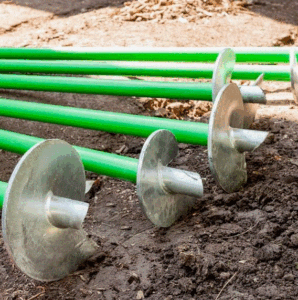
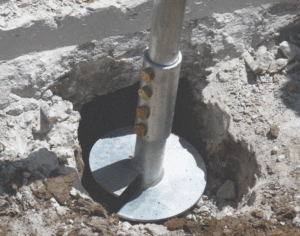
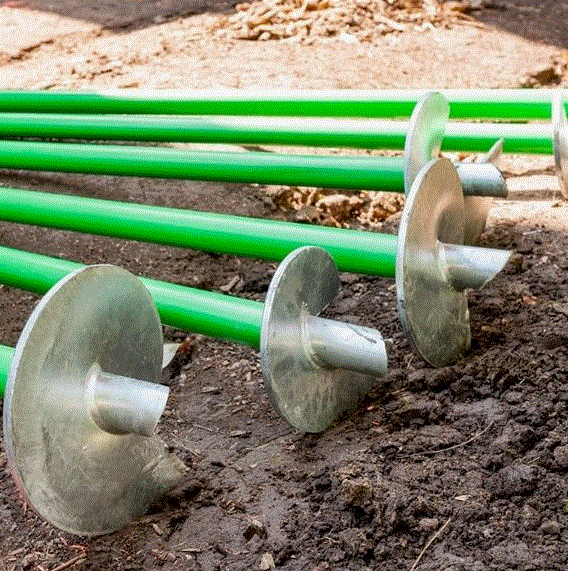
Helical piers are engineered steel foundation supports featuring spiral-shaped plates attached to a central steel shaft. These components are installed into the ground using specialized hydraulic equipment, allowing the system to advance through soil until it reaches the required installation depth and resistance. Once connected to the building’s foundation through appropriate brackets, the piers help transfer structural loads away from weaker surface soils and toward more suitable supporting layers. This makes them useful in certain situations involving foundation settlement, inadequate soil bearing capacity, and new construction support requirements. Unlike superficial repairs that address only visible damage, deep foundation systems are designed to address the underlying support conditions. Their effectiveness depends on proper engineering, soil evaluation, installation specifications, and compatibility with the existing structure.
Common Signs That Your Property May Need Helical Pier Support
Foundation problems often develop gradually, making early identification important for property owners. Cracks appearing around windows and doors, uneven flooring, separated exterior brickwork, and gaps between walls and ceilings can indicate possible structural movement. In more advanced situations, foundation settlement may cause noticeable changes in floor elevations or affect how doors and windows operate. Commercial properties can experience similar concerns when soil conditions are unable to adequately support the building’s structural loads. However, these symptoms do not automatically mean that helical piers are necessary. Some foundation issues may require drainage improvements, wall reinforcement, concrete repair, or other stabilization methods. A professional inspection helps determine whether the observed damage is connected to soil movement, moisture conditions, construction deficiencies, or another underlying concern. Identifying the actual cause is the first step toward selecting an appropriate repair strategy.
Why Professional Helical Pier Installation Experts Matter
Installing a deep foundation support system requires technical knowledge, specialized equipment, and an understanding of structural loading requirements. Professional helical pier installation experts evaluate the building’s condition, surrounding soil, foundation design, and expected support demands before developing an installation plan. The positioning, specifications, depth, and installation resistance of each pier must be considered carefully. Poor planning or unsuitable installation practices can affect how effectively the support system performs. Property owners should therefore evaluate a contractor’s relevant experience, certifications, insurance, project documentation, and ability to explain the proposed work. Clear communication is equally important because customers should understand why a particular system is recommended and what the installation process involves. Choosing qualified specialists helps ensure that the project is approached as an engineered structural solution rather than a basic construction repair.
The Helical Pier Installation Process Explained
A typical helical pier project begins with a property assessment to identify settlement patterns, structural concerns, and suitable support locations. Depending on the building’s design, selected areas around the foundation may need excavation to provide access for installation and bracket attachment. Specialized equipment then advances the steel pier sections into the soil while installation resistance and other relevant measurements are monitored. The installation continues according to the project’s engineering specifications and required support conditions. Once the appropriate installation requirements have been achieved, foundation brackets are connected to transfer the structural load through the pier system. Some projects may also involve carefully controlled adjustments to address existing foundation elevations, where technically appropriate. The final work may include connection inspections, backfilling, and restoration of disturbed areas. Attention to every stage helps maintain installation quality and ensures that the completed system meets the project’s intended structural requirements.
Benefits of Helical Piers for Residential and Commercial Properties
Helical pier systems can offer several practical advantages when they are suitable for the property’s structural and soil conditions. Their installation can often be completed without extensive excavation across the entire foundation, helping limit disruption to surrounding areas. They can also be considered for selected projects involving restricted access, existing structures, and new construction. Because installation is performed using specialized equipment, contractors can monitor installation resistance as the system advances through the soil. Residential applications may include addressing settlement beneath load-bearing foundation sections, while commercial applications can involve deep foundation support for buildings with more demanding structural requirements. Another important consideration is versatility: different shaft sizes and configurations can be selected according to project specifications. Nevertheless, the appropriate system must always be determined through professional assessment rather than assuming every property will benefit from the same installation method.
Choosing the Right Foundation Support Company in the Carolinas
Selecting a foundation specialist involves evaluating more than the estimated project cost. Customers should consider whether the company understands regional soil conditions, moisture challenges, structural requirements, and the different repair methods available. North and South Carolina properties can experience changing ground moisture and expansive clay soil conditions, making local knowledge valuable during foundation assessments. A dependable contractor should provide a clear explanation of the problem, recommended support system, installation requirements, and expected project scope. Tar Heel Foundation Solutions serves residential and commercial customers throughout the Carolinas with foundation stabilization, deep foundation support systems, structural repair, crawl space services, and concrete solutions. Its family-owned and locally operated approach, certified foundation specialists, and more than 35 years of construction experience provide customers with relevant expertise when evaluating complex foundation concerns.
Conclusion
Foundation stability plays an essential role in protecting buildings, maintaining property value, and supporting long-term structural performance. Helical piers can provide a practical deep foundation support solution for suitable properties experiencing settlement or requiring additional structural support. However, achieving an appropriate outcome requires careful soil evaluation, correct system selection, professional installation, and attention to engineering requirements. Working with experienced helical pier installation experts allows property owners to make informed decisions based on their building’s actual conditions rather than relying on temporary cosmetic repairs. From residential foundation stabilization to commercial and new construction support, choosing a qualified contractor is an important investment in structural reliability. Property owners throughout North and South Carolina should prioritize professional assessments and customized foundation solutions to help maintain safer, stronger, and more dependable structures for years to come.