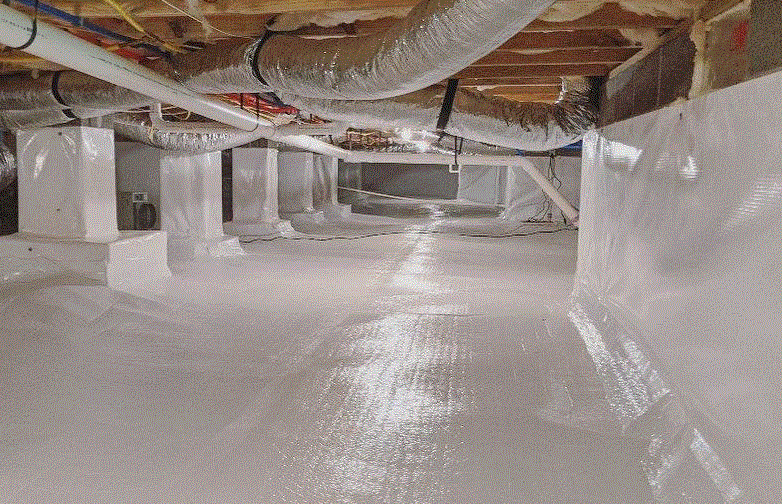
Maintaining a dry and properly protected crawl space is essential for preserving a home’s structural integrity, indoor comfort, and long-term value. Unfortunately, many homeowners overlook the area beneath their property until moisture problems become noticeable. Standing water, excessive humidity, condensation, mold growth, and unpleasant odors can gradually affect wooden framing, insulation, ductwork, and other important building components. Professional crawl space encapsulation & moisture control provides a practical approach to managing these conditions by reducing ground moisture, limiting unwanted humidity, and creating a more controlled environment beneath the home. As homeowners become increasingly aware of the relationship between moisture management and property maintenance, effective crawl space protection has become an important consideration.
Choosing the right moisture management solution requires understanding the specific conditions affecting the crawl space. Simply covering exposed soil may not resolve problems caused by groundwater, poor drainage, plumbing leaks, or humid air entering through foundation openings. A comprehensive approach considers the source of moisture, the condition of existing materials, and the ventilation and drainage requirements of the property. Professional crawl space encapsulation & moisture control services help address these concerns through customized systems designed for individual homes. Tar Heel Foundation Solutions provides specialized crawl space services throughout North and South Carolina, helping residential and commercial property owners manage moisture-related concerns and protect important structural components.
Understanding Crawl Space Encapsulation and Its Importance
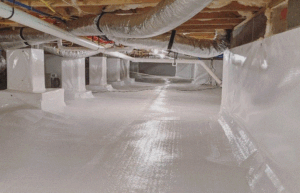
Crawl space encapsulation involves creating a protective barrier between the ground and the interior environment beneath a building. The process generally includes installing a durable moisture-resistant liner over exposed soil, sealing seams, covering foundation walls and support piers, and addressing suitable openings where outside air may enter. Depending on the property’s conditions, additional components such as drainage systems and dehumidifiers may also be recommended. The purpose is to reduce uncontrolled moisture movement and create a more manageable environment beneath the home. Unlike a basic ground covering, full encapsulation considers multiple potential moisture pathways. Proper installation requires attention to foundation conditions, drainage, existing water intrusion, and equipment requirements. When designed appropriately, an encapsulation system can help protect insulation, framing, and other materials from prolonged exposure to damp conditions.
Common Signs of Crawl Space Moisture Problems
Moisture problems beneath a home often produce warning signs that become noticeable in other areas of the property. Persistent musty odors, damp insulation, visible condensation, standing water, and dark staining on wooden surfaces may indicate excessive moisture. Homeowners may also notice increased indoor humidity or unpleasant smells that seem to originate from beneath the flooring. In some cases, prolonged moisture exposure can contribute to wood deterioration, rusting metal components, and conditions that encourage mold growth. Condensation on plumbing pipes and HVAC ductwork may indicate that humid air is contacting cooler surfaces. These symptoms should be investigated rather than temporarily covered with household air fresheners or surface treatments. A professional inspection can help identify whether the problem originates from groundwater, poor drainage, exposed soil, plumbing leaks, or inadequate humidity management.
Why Professional Crawl Space Encapsulation & Moisture Control Matters
Effective moisture management requires more than installing a plastic liner across the crawl space floor. Professionals must evaluate how water enters the area, whether existing drainage is adequate, and whether the structure has already experienced moisture-related damage. Experienced specialists understand that sealing a crawl space without addressing standing water or other moisture sources may leave the underlying problem unresolved. A properly planned system may combine vapor barriers, sealed wall liners, sump pumps, interior drainage channels, and appropriately sized dehumidifiers. The correct combination depends on the building’s construction and environmental conditions. Professional installation also helps ensure that seams, corners, support piers, and other potential entry points receive appropriate attention. This comprehensive approach can improve moisture management while helping preserve the materials and structural components located beneath the property.
Key Components of an Effective Crawl Space Protection System
A successful crawl space moisture management system may involve several interconnected components. A vapor barrier helps reduce moisture rising from exposed soil, while full encapsulation extends protection to foundation walls, piers, and other suitable surfaces. Dehumidifiers help manage excess humidity after standing water and moisture entry concerns have been addressed. Where groundwater or recurring water accumulation is present, sump pumps and interior drainage systems can collect and redirect water away from vulnerable areas. Mold remediation may also be necessary when existing contamination is identified, but correcting the moisture source remains essential to reducing the possibility of recurrence. Insulation should be evaluated for dampness, deterioration, and proper installation. Each component serves a different purpose, and combining suitable solutions can provide more effective protection than relying on a single moisture-control measure.
Benefits for Residential and Commercial Properties
A properly managed crawl space can contribute to better property maintenance and improved building conditions. Reducing excessive moisture helps limit prolonged exposure affecting wooden joists, girders, insulation, and other structural materials. Moisture management may also help reduce musty odors and protect HVAC ductwork from condensation-related concerns. For homeowners, these improvements can support a more comfortable indoor environment and reduce the likelihood of recurring crawl space maintenance issues. Commercial property owners can also benefit from protecting building components, maintaining cleaner service areas, and addressing moisture concerns before they interfere with property operations. However, encapsulation is not a substitute for structural repairs or necessary ventilation and combustion-safety provisions. Every installation should account for the building’s specific requirements to ensure the system functions appropriately.
Choosing the Right Crawl Space Moisture Control Company
Selecting an experienced contractor is an important part of protecting your property. Homeowners should look for specialists who understand moisture behavior, foundation conditions, drainage systems, mold remediation, and encapsulation materials. A reliable company should inspect the crawl space before recommending services and explain the purpose of each proposed component. It is also important to discuss installation procedures, equipment maintenance, drainage requirements, and any existing structural concerns. Tar Heel Foundation Solutions offers vapor barrier installation, full crawl space encapsulation, dehumidifier installation, sump pump installation, interior drainage control, and mold removal and remediation. With more than 35 years of construction experience and certified foundation specialists, the company provides property-specific solutions for customers throughout North and South Carolina.
Conclusion
Protecting the area beneath your home is an important part of maintaining structural durability, indoor comfort, and long-term property value. Excessive humidity, standing water, mold growth, and inadequate drainage can gradually affect building materials and create maintenance concerns if left unresolved. Investing in professional crawl space encapsulation & moisture control helps address these challenges through appropriate vapor barriers, sealed liners, drainage improvements, dehumidification, and moisture remediation. The most effective approach begins with identifying the actual source of moisture and selecting solutions that match the property’s construction and environmental conditions. Homeowners and commercial property owners throughout the Carolinas can benefit from working with experienced professionals who understand these requirements. A properly evaluated and installed crawl space protection system is a valuable step toward maintaining a cleaner, drier, and better-protected property for years to come.