A strong and stable foundation is essential for protecting any residential or commercial property. However, changing soil conditions, excessive moisture, ground settlement, and structural pressure can gradually affect foundation performance. When these issues develop, traditional repair methods may not provide the level of support a structure requires. Helical piers offer a specialized foundation support solution designed to transfer structural loads into more stable soil layers. Property owners searching for helical pier installation experts need professionals who understand soil conditions, structural requirements, and the technical considerations involved in selecting and installing appropriate support systems. Choosing the right installation team can make an important difference in protecting a building against continued foundation movement.
Finding a qualified foundation specialist is particularly important when dealing with settlement, structural instability, or new construction support requirements. Every property has different soil characteristics, foundation designs, and load-bearing demands, which means installation should never follow a generic approach. Experienced helical pier installation experts evaluate these conditions before recommending a suitable system. For property owners throughout North and South Carolina, Tar Heel Foundation Solutions provides specialized foundation stabilization and deep foundation support services for residential and commercial projects. With more than 35 years of construction experience and certified foundation specialists, the company focuses on evaluating structural conditions and developing practical solutions tailored to individual properties.
Understanding Helical Piers and Their Role in Foundation Support
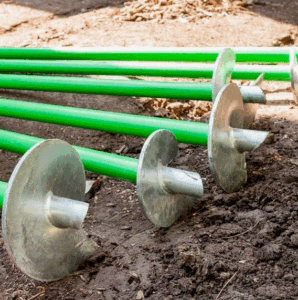
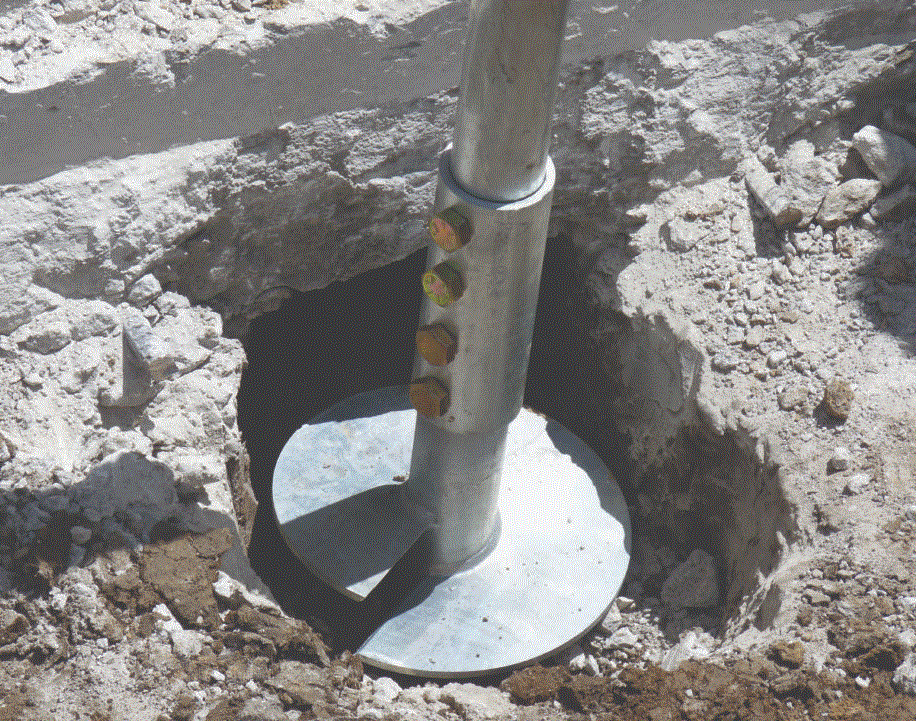
Helical piers are specialized steel foundation support components designed with one or more spiral-shaped plates attached to a central steel shaft. These plates allow the pier to be advanced into the ground using hydraulic installation equipment until it reaches the required depth and installation resistance. Once properly installed, the system transfers structural loads from the building to deeper, more stable soil. This approach can be useful when surface soils cannot provide sufficient support or when an existing structure experiences settlement. Unlike conventional foundation extensions that depend heavily on shallow soil conditions, helical pier systems can provide support at deeper bearing locations. Their suitability depends on soil characteristics, structural loading, installation specifications, and engineering requirements. Understanding these factors helps property owners recognize why professional assessment is essential before selecting a foundation stabilization method.
Common Signs That a Property May Need Helical Pier Installation
Foundation movement often produces visible warning signs that property owners should investigate promptly. Diagonal cracks around windows and doors, uneven floors, separated exterior masonry, and doors that suddenly become difficult to close may indicate settlement or structural movement. In some cases, cracks continue to expand as supporting soil conditions change. Commercial buildings can experience similar problems, particularly when heavy structural loads place additional demands on the foundation. However, not every crack requires helical pier installation, and cosmetic damage should not automatically be treated as evidence of serious structural failure. A proper evaluation considers the location and pattern of cracks, the building’s construction, soil conditions, drainage, and any history of previous repairs. Identifying the actual cause helps determine whether deep foundation support is appropriate or whether another repair method would provide a more suitable solution.
How Helical Pier Installation Works
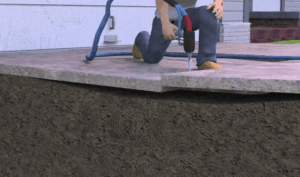
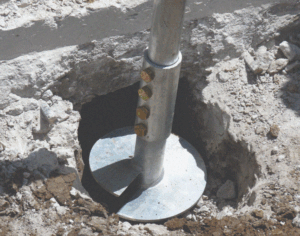
A successful installation begins with a detailed assessment of the property and its structural requirements. Professionals examine the foundation, identify areas of movement, and determine where additional support may be necessary. Depending on the project, the process may involve excavating small areas near the foundation to expose suitable attachment locations. Steel pier sections are then advanced into the ground using specialized hydraulic equipment. Installation depth and resistance are monitored to help establish whether the system is reaching suitable supporting soil. After installation, engineered brackets connect the pier system to the existing foundation so structural loads can be transferred through the support assembly. In selected projects, the system may also be used as part of a controlled foundation lifting or stabilization process. Proper installation requires attention to equipment, alignment, load requirements, soil conditions, and connection details rather than simply placing steel components underground.
Why Choosing Qualified Helical Pier Installation Experts Matters
The quality of a foundation support project depends heavily on technical assessment and installation accuracy. Property owners should look for helical pier installation experts who understand structural loads, soil behavior, installation equipment, and the importance of following appropriate engineering specifications. A qualified team should explain why the proposed pier system is suitable, where the supports will be installed, and how the completed system will interact with the existing foundation. Certification, relevant construction experience, insurance, and transparent project documentation are also important considerations. Tar Heel Foundation Solutions brings certified foundation specialists and dedicated experience in residential and commercial structural repair. The company’s approach considers soil conditions, drainage, moisture concerns, and the property’s overall structural requirements before recommending a repair strategy. This attention to the underlying problem helps customers make informed decisions about foundation stabilization.
Residential and Commercial Applications of Helical Pier Systems
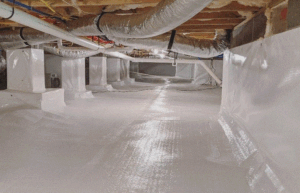
Helical pier systems can serve different purposes depending on the building and project requirements. For residential properties, they may be considered when foundation settlement affects load-bearing walls, crawl space supports, or other structural components. They can also be incorporated into suitable new construction projects where deeper foundation support is necessary. Commercial applications may involve supporting larger structures, addressing foundation movement, or providing deep foundation systems for specific construction requirements. Each application requires careful consideration of structural loads, soil conditions, accessibility, and installation equipment. Commercial projects may also require additional planning to coordinate installation with building operations and minimize disruption. Whether supporting a home, business, or new construction development, the objective is to create an appropriate load-transfer system that addresses the property’s specific foundation requirements.
Factors That Influence Helical Pier Installation Costs
The cost of a helical pier project depends on several interconnected factors rather than a single standard price. The number of piers required, installation depth, soil resistance, pier specifications, foundation accessibility, and structural loading can all influence the overall investment. Properties with restricted access may require additional equipment planning, while deeper installations can involve more materials and installation time. Engineering assessments, excavation, foundation bracket requirements, and any necessary structural adjustments may also contribute to project costs. Property owners should request a detailed estimate that explains the proposed scope of work and identifies the factors affecting the price. Comparing contractors solely on the lowest quotation can be misleading if different proposals include different support systems or installation requirements. A clear, property-specific estimate makes it easier to evaluate the project’s long-term value.
Protecting Your Property Through Professional Foundation Stabilization
Maintaining foundation stability requires more than responding to visible structural damage. Proper drainage, responsible moisture management, timely inspections, and appropriate foundation support can all contribute to better building performance. Property owners should pay attention to changes in wall cracks, floor levels, doors, windows, and crawl space conditions. When settlement or structural movement becomes apparent, arranging a professional evaluation can help identify the underlying issue before additional damage develops. Tar Heel Foundation Solutions serves residential and commercial customers across the Carolinas with foundation stabilization, deep foundation support systems, structural repair, crawl space services, and concrete solutions. Its regional experience and certified installation capabilities provide property owners with a specialized option for addressing complex foundation concerns.
Conclusion
Helical piers can provide an effective deep foundation support solution when soil conditions and structural requirements make additional stabilization necessary. From identifying early settlement indicators and understanding installation procedures to evaluating project costs and selecting appropriate support systems, informed decisions are essential for protecting a property’s structural integrity. Working with experienced helical pier installation experts helps ensure that soil conditions, foundation design, and structural loading receive proper attention throughout the project. For homeowners, commercial property owners, and construction professionals throughout North and South Carolina, Tar Heel Foundation Solutions offers specialized foundation stabilization and deep foundation support services backed by substantial construction experience and certified expertise. Choosing a qualified team and addressing foundation concerns with the right technical approach are important steps toward achieving dependable structural support and protecting your property for the future.