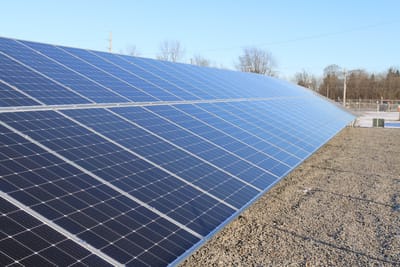
For homeowners who have invested in sustainable, renewable energy, a high-quality solar array serves as an incredibly reliable shield against rising utility costs. However, every homeowner eventually faces an inevitable maintenance reality: the underlying roof structure will wear out long before the solar panels do. While a premium Tier 1 solar array is engineered to generate clean electricity efficiently for thirty years or more, standard asphalt shingle roofs typically require a full replacement every fifteen to twenty-five years, especially in regions prone to intense heat, high winds, and severe seasonal storm activity.
When it becomes time to install a new roof envelope, homeowners with solar arrays face a unique logistical challenge. You cannot simply lay down fresh underlayment and shingles around an active solar array, nor can you leave the heavy mounting racking system undisturbed. To give a roofing crew total, unhindered access to the roof deck, the entire clean energy system must be systematically decommissioned, uninstalled, stored, and reinstalled. Managing this complex sequence safely requires a highly specialized technical process known as a detach and reset.
Understanding the exact roadmap of a professional roof restoration when solar assets are involved is critical to protecting your financial investments. By knowing what to expect during each phase of construction, how to handle the specialized components, and how to select the right solar panel detach and reset contractors for the job, you can ensure your home remains completely watertight while keeping your valuable clean energy system operating at peak performance for decades to come.
Phase 1: Pre-Construction Site Audits and Safe De-Energization
The detach and reset process begins long before anyone physically unbolts a single panel from your roof deck. The initial phase requires a comprehensive, highly technical pre-construction site audit executed by certified solar professionals. This audit establishes a baseline performance profile for your clean energy system, ensuring that any existing hardware issues, electrical faults, or structural vulnerabilities are clearly documented before the physical deconstruction begins.
During this initial site inspection, technicians will systematically map your entire roof layout, carefully noting the exact placement of every panel, rail, conduit line, and flashing foot. They will pull the active system error logs and review your monitoring platform history to confirm that all microinverters, optimizers, or central string units are communicating flawlessly. This detailed documentation acts as a vital insurance policy for the homeowner, guaranteeing that when the system is eventually rebuilt, it will be restored to its exact operational baseline.
Once the initial audit is finalized, the technical team will execute a safe de-energization of the high-voltage system. Solar arrays handle incredibly dangerous levels of direct current electricity, which must be fully isolated before mechanical handling can begin. Technicians will throw the main alternating current disconnect switch, isolate the high-voltage breaker panels, and safely shut down the primary inverter strings. This critical safety step eliminates the risk of electrical arcing or flashovers, protecting both the solar handling team and the roofing crew who will soon occupy the workspace.
Phase 2: Systematic Demolition and Safe On-Site Storage
With the system safely de-energized and powered down, the physical uninstallation phase begins. Professional technicians will climb onto the roof to carefully disconnect the delicate plug-and-play wiring harnesses that link the individual solar modules together. They will systematically unclamp each panel from the structural aluminum racking rails, taking extreme care not to bend the aluminum frames or put twisting physical pressure on the tempered glass faces.
As each solar panel is removed, technicians will perform a hands-on physical inspection of the module’s backsheet, looking for any signs of water intrusion, heat damage, or rodent chewing. The detached panels are then carefully moved down to ground level using heavy-duty material lifts. Because solar modules feature highly sensitive silicon photovoltaic cells, they cannot simply be stacked loosely in a pile on the lawn. They must be placed on edge or stacked neatly with protective padded dividers on wooden shipping pallets.
Once the panels are safely down, the team will unbolt and remove the long aluminum mounting rails, mid-clamps, end-clamps, and external electrical conduit lines. The system is then wrapped tightly in weather-resistant protective plastic and stored securely on-site, typically inside the homeowner’s garage or a secured backyard storage shed. This shields the high-value components from accidental damage, flying debris, and theft while the heavy roofing construction takes place.
Phase 3: Structural Roof Replacement and Flashing Preparation
Once the solar contractors have completely cleared the roof deck, the workspace is officially handed over to your chosen residential roofing company. The roofing crew will proceed to tear off the old, degraded asphalt shingles down to the bare plywood sheathing. They will inspect the wooden deck for structural rot, replace any soft or water-damaged plywood sheets, and install a premium, heavy-duty synthetic underlayment across the entire roof surface to establish a durable, modern moisture barrier.
While the roofers are busy laying down the fresh layer of lifetime architectural shingles, they must remain mindful of where the solar array will eventually live. A professional roofing supervisor will coordinate directly with your solar team to ensure that no debris is dropped into the open conduit holes and that the areas slated for solar penetrations are perfectly prepped.
It is critical to note that during a standard roof replacement, all of the original, single-use waterproofing flashing boots and lag bolts that anchored the old solar system must be completely discarded. Reusing old flashing kits or driving used lag bolts back into fresh wooden rafters is an absolute recipe for future roof leaks. A premium solar team will always prepare an entirely new inventory of code-compliant, self-sealing flashing mounts and structural lag screws to use during the upcoming reinstallation phase.
Phase 4: Precision Reinstallation, Re-Commissioning, and Grid Reconnection
After the roofing crew completes their installation and thoroughly cleans the property of all stray nails and shingle scraps, the specialized solar panel detach and reset contractors return to the site to execute the final, highest-stakes phase of the project: the system reset.
The technicians will refer back to their original pre-construction layout maps and meticulously measure out the roof grid. They will locate the home’s structural wooden rafters and pre-drill precise pilot holes for the new mounting brackets. Each new flashing kit is slipped securely beneath the appropriate shingle courses and fastened down with structural lag screws, using heavy-duty, outdoor-rated polyurethane sealant to create a permanent, watertight seal that easily matches the lifespan of your new roof shingles.
With the new flashing foundation firmly established, the aluminum rails are re-leveled and bolted back into place. Technicians will then begin moving the solar panels back up to the roof, methodically snapping the complex wiring harnesses back together and securing the modules into the racking grid. Every single electrical connection must be torqued precisely to factory specifications to prevent loose connections that could lead to electrical fires or ground faults down the line.
Once the entire physical array is rebuilt, the team will re-engage the main electrical breakers and run a comprehensive post-construction diagnostic test. They will verify that every single microinverter is reporting properly, that the system’s total electrical output perfectly matches the pre-audit baselines, and that the automated cloud monitoring platform is fully functional. This thorough re-commissioning process marks the official successful completion of the roof restoration, leaving you with a beautiful new roof envelope and a completely optimized, high-yielding clean energy system.
Safeguarding Your Investment with Certified Specialists
Replacing a roof when you own an active clean energy system can initially feel like a daunting, logistically overwhelming home improvement project. However, by breaking the process down into distinct, professionally managed steps, you can eliminate the stress of construction and confidently protect your long-term household investments.
The ultimate key to a seamless, worry-free roof transition lies in selecting the right technical partner. You must explicitly avoid allowing a standard roofing crew or an uncertified handyman to touch your high-voltage solar assets. Handling sensitive photovoltaic equipment without proper electrical licenses and factory credentials will instantly ruin your system’s efficiency, compromise your home’s safety, and completely void your active multi-decade manufacturer product warranties.
By partnering with highly experienced, fully insured solar panel detach and reset contractors, you gain absolute peace of mind. A certified specialist team will handle every detail of the transition—from the initial high-voltage shutdown and meticulous ground storage to the precision code-compliant re-mounting and final grid testing. This elite level of professional care ensures that your home, your roof, and your clean energy savings remain completely secure, allowing you to maximize your utility returns for many decades to come.