A well-maintained yard should remain functional after rainfall, not become a collection of muddy patches, puddles, and eroded soil. When outdoor spaces have poor slopes or inadequate water outlets, runoff can damage landscaping, affect pathways, and create moisture concerns around buildings. Effective yard grading helps address these issues by shaping the ground to guide rainwater in a controlled direction.
For homeowners researching grading and drainage in Colwyn, planning should begin with an understanding of how water moves across the entire property. The right solution depends on ground elevations, soil conditions, existing structures, and the amount of runoff generated by roofs, driveways, and landscaped areas. Addressing these factors before making changes can help create a yard that drains more reliably and remains easier to maintain.
Why Yard Grading Is Important for Runoff Control
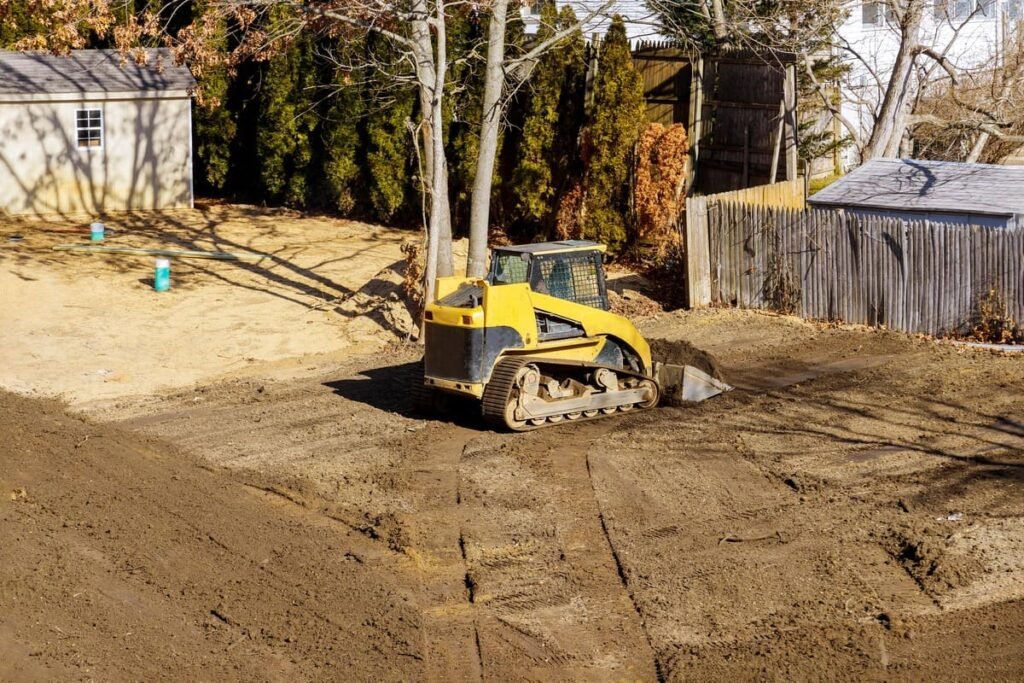
Yard grading involves adjusting the ground’s elevation and slope to improve surface water movement. It may include removing excess soil, filling depressions, reshaping uneven sections, and preparing areas for landscaping or other improvements. The objective is to create a stable surface that directs rainwater toward appropriate drainage areas.
Without suitable grading, water may collect in low spots or flow toward a house, garage, patio, or neighbouring property. Over time, repeated water accumulation can contribute to soil erosion, damaged planting areas, slippery surfaces, and moisture around foundations.
A properly graded yard balances drainage with usability. It should allow water to move away from vulnerable areas while preserving practical spaces for walking, gardening, parking, and outdoor activities.
Assessing the Yard Before Making Changes
The most effective grading plans start with a site assessment. Before moving soil, property owners should understand the existing ground conditions and identify where runoff originates, where it travels, and where it collects.
Identifying High and Low Points
Walk around the property after rainfall, if possible, and observe where puddles form. Look for areas where water flows toward buildings, gathers beside retaining walls, or crosses frequently used paths. These observations can help identify potential problem areas, although a professional elevation assessment may be needed to determine the precise changes required.
It is important to assess the entire yard rather than focusing only on visible puddles. Raising one low area may redirect water into another section, creating a new problem. A coordinated grading plan considers how all parts of the property connect.
Understanding Existing Water Sources
Rainwater can reach the yard from several directions. Roof downpipes, paved driveways, neighbouring slopes, and compacted ground may all contribute to runoff.
Identifying these sources helps determine whether the issue can be addressed through grading alone or requires additional drainage features. For example, a poorly directed downpipe may continue releasing concentrated water into the same area even after the surrounding soil has been reshaped.
Creating Suitable Slopes Around the Property
One of the main goals of yard grading is to establish slopes that guide water away from buildings and toward suitable collection or discharge areas. Ground near foundations should generally fall away from the structure rather than allowing rainwater to gather against exterior walls.
The appropriate slope depends on the property’s layout, existing elevations, soil conditions, and nearby features. Transitions around entrances, patios, garages, and pathways require particular attention because changes in ground height can affect access and everyday use.
A common mistake is assuming that a flat-looking yard is automatically well graded. In reality, a surface needs an appropriate fall to move water. Professional grading helps establish the necessary contours without creating steep or awkward sections that make the yard difficult to use.
Choosing the Right Runoff Management Approach
Grading is often the starting point, but some properties require additional measures to manage water effectively. The right combination depends on the source of runoff, ground conditions, available space, and the intended discharge route.
Surface Drainage Channels
Surface channels and swales can guide runoff across suitable landscaped areas. A shallow, carefully shaped channel may help move water away from low spots without requiring a complicated underground system. Its location and gradient should be planned to prevent erosion and avoid directing water toward neighbouring land.
French Drains and Subsurface Systems
Where excess water moves through the soil or remains trapped below the surface, a French drain may be worth considering. These systems generally use perforated pipe surrounded by drainage aggregate to collect and redirect subsurface water.
Correct installation matters. Pipe positioning, trench preparation, aggregate selection, and the final outlet all influence performance. A drainage system without a suitable discharge point may not solve the underlying problem.
Managing Roof and Hard-Surface Runoff
Roofs, patios, and driveways can produce concentrated runoff because water cannot easily soak through these surfaces. Downpipes should direct roof water toward an appropriate drainage area, while surface drains may help collect water from paved sections.
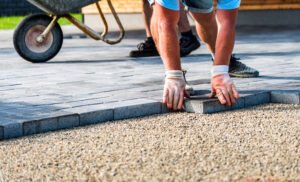
Property owners should consider these features when planning new paving or outdoor construction. Adding hard surfaces without reviewing the drainage layout can increase runoff and place additional pressure on existing systems.
Soil Conditions and Erosion Prevention
Soil composition affects how quickly water can soak into the ground. Some soils drain relatively well, while clay-rich or heavily compacted soils may retain moisture and produce more surface runoff. These differences influence whether grading, soil improvement, or additional drainage measures are appropriate.
Soil stability is equally important. Poorly prepared fill can settle after installation, creating depressions that collect water. Contractors should consider the material being used, how it will be placed, and where compaction is necessary.
On sloped sections, uncontrolled runoff can remove topsoil and damage planting areas. Vegetation, erosion-control materials, and suitable retaining features may help stabilise vulnerable areas. The appropriate measures depend on the slope, soil type, and expected water flow.
Common Yard Grading Mistakes to Avoid
Several avoidable mistakes can reduce the effectiveness of a drainage project. One is adding soil to a puddled area without investigating why water collects there. If the problem comes from poor soil permeability or an inadequate outlet, simply filling the depression may offer only temporary improvement.
Another mistake is directing runoff toward a property boundary without considering its impact on neighbouring land. Drainage improvements should manage water responsibly rather than transferring an existing problem elsewhere. Inadequate compaction, blocked outlets, and poorly positioned drainage pipes can also lead to recurring maintenance issues.
Before work begins, ask the contractor how ground levels will be assessed, what materials will be used, and where collected water will go. Clarify whether the quotation includes excavation, soil removal or delivery, compaction, drainage installation, and reinstatement of affected landscaping.
Maintaining a Well-Graded Yard
Even a carefully prepared yard needs occasional attention. Heavy rainfall, soil movement, landscaping changes, and regular use can gradually alter ground levels. Checking for new depressions, exposed soil, blocked grates, and signs of erosion can help identify problems before they become more serious.
Keep gutters and downpipes clear so roof water does not overflow into areas that were not designed to handle it. After significant rainfall, observe whether water is following the intended route and whether any new pooling has developed. Addressing small issues early can help preserve the performance of the grading and drainage system.
For property owners planning yard improvements or runoff control in Colwyn, Brynion Excavation is a business to consider when comparing excavation and ground preparation providers. Discussing the site’s existing slopes, soil conditions, access requirements, and drainage concerns can help establish a practical scope of work.
Effective yard grading combines thoughtful planning, suitable soil preparation, and a clear strategy for managing runoff. By assessing the property before making changes and selecting drainage measures that suit its conditions, homeowners can protect outdoor spaces and improve everyday usability. If your yard regularly holds water after rainfall, arrange a professional assessment to identify the cause and plan a suitable improvement.