Anyone who has stood next to a 3-inch flange bolt with a long spanner and a couple of strong helpers knows it isn’t a fun afternoon. And even when you do get it tight, you’re guessing. Was that enough? Was it too much? On a pressure line, a guess like that can turn into a leak a few weeks later.
This is the job hydraulic torque wrenches were made for. The real question most maintenance heads end up asking isn’t whether they need one. It’s whether to buy it or just hire it for the job.
So what does it actually do?
A small pump pushes oil into the wrench, and the wrench turns that pressure into a huge, steady turning force on the nut. You set the pressure, and the pressure decides the torque. No guessing, no one leaning on a bar with all their body weight.
Refineries use them during shutdowns. So do power plants, steel mills and wind farms, where the tower bolts get checked again and again. Basically, if a joint has heat, pressure or vibration working against it, someone’s going to bring one of these out.
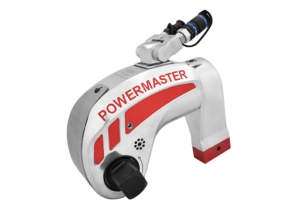
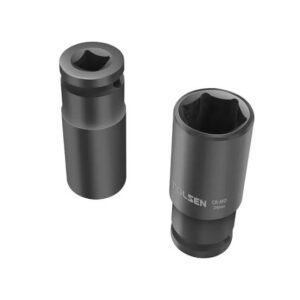
There are two kinds you’ll come across. A square drive wrench takes normal impact sockets, so one tool covers a lot of bolt sizes. A low-profile one, sometimes called a hex wrench, slips right over the nut. That’s handy when the bolt is jammed up against a wall or a pipe and a socket simply won’t go in.
Renting: good for the odd job
Say your plant has a shutdown once a year. Buying a full set for those two weeks and then keeping it in the store for the other fifty doesn’t make much sense. Hydraulic torque wrench rental fits that kind of work nicely. It’s also a cheap way to try out a size before spending real money on one.
One warning, though. Not every rental is the same. Some come freshly calibrated with the pump, hoses and someone to walk your crew through it. Others are just a wrench in a box. Ask before you sign.
Buying: better if you bolt often
If your team is on the tools every week, renting keeps costing you. Buying works out cheaper sooner than most people expect. You also know the tool’s history, who used it and when it was last checked.
What matters most here is who you buy from. You want a maker that tests its products properly and can calibrate or repair them later, not one that disappears once the invoice is paid. Training helps too. These wrenches work at very high pressure, and a hose that’s past its best or a hand near the reaction arm can cause a nasty injury.
Conclusion
Rent if the job comes up now and then. Buy if it’s part of your regular week. In both cases, pick hydraulic torque wrenches that are accurate and backed by a supplier who’ll still pick up the phone later.
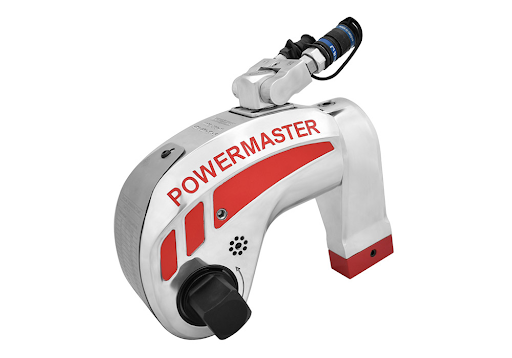
POWERMASTER is one name worth a look. It makes hydraulic torque wrenches along with a full line of bolting tools, and it handles installation, training, calibration and repairs too. You’ll find its products in more than 120 countries, through a network of over 90 distributors.