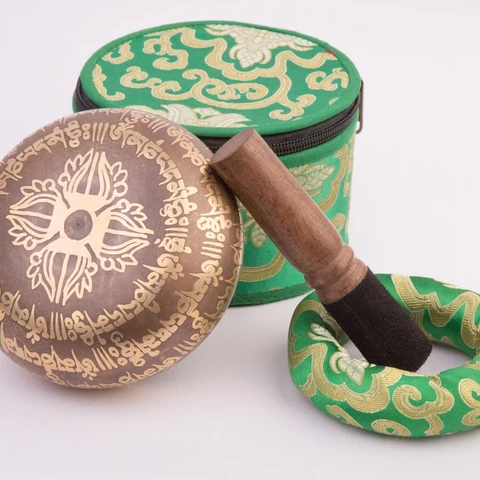
Handmade Himalayan instruments are valued for their distinctive craftsmanship, cultural significance, and soothing sounds. A Tibetan singing bowl, for example, is more than a decorative object; it represents generations of traditional metalworking and artistic knowledge. Whether used for meditation, yoga, or personal relaxation, these instruments deserve proper attention to maintain their appearance and sound quality. Regular cleaning, careful handling, and suitable storage can help preserve their original character for years.
Understanding the right maintenance practices also allows owners to appreciate the artistry behind each handmade piece while ensuring it remains a meaningful part of their wellness routine.
1. Understand the Materials Before Cleaning
The first step in caring for handmade Himalayan instruments is understanding the materials used in their construction. Traditional singing bowls are commonly made from metal alloys, including bronze and combinations of different metals. Their finishes may feature hand-hammered textures, engraved patterns, decorative details, or naturally aged surfaces.
These characteristics require thoughtful maintenance because aggressive cleaning methods can affect the bowl’s appearance. Before using any cleaning product, examine the surface and identify whether it has a polished, antique, or decorative finish.
For routine maintenance, consider these practices:
- Use a soft, lint-free cloth to remove dust and fingerprints.
- Avoid rough sponges, steel wool, and abrasive brushes.
- Test any cleaning solution on a small, inconspicuous area first.
- Avoid applying strong chemicals that could damage decorative finishes.
- Follow the manufacturer’s care recommendations whenever available.
Understanding the metal composition and surface treatment helps prevent unnecessary damage while maintaining the instrument’s original appearance.
2. Clean Singing Bowls Gently and Regularly
Dust, fingerprints, and environmental moisture can gradually affect the appearance of metal instruments. Although occasional marks are normal, allowing dirt to accumulate may make the surface appear dull over time.
A simple cleaning routine is usually sufficient for everyday maintenance. Begin by wiping the bowl with a clean, dry microfiber cloth after use. This helps remove skin oils and dust without scratching the metal.
For more noticeable marks, use a slightly damp, soft cloth if the finish allows it. Avoid soaking the instrument or allowing water to collect inside it. After cleaning, dry every surface thoroughly before returning the bowl to storage.
It is equally important to avoid household cleaners containing harsh chemicals. Abrasive polishing compounds can remove intentional patina, affect engraved details, or alter the original finish.
Handcrafted instruments often have subtle variations that contribute to their character. Preserving these details is generally more valuable than trying to make every surface look perfectly polished.
3. Handle Instruments Carefully to Protect Their Structure
Even well-crafted metal instruments can become damaged through careless handling. Accidental drops, collisions with hard surfaces, and improper stacking may cause dents, scratches, or structural changes.
Always hold a singing bowl securely with both hands when moving larger pieces. When playing it, place it on an appropriate cushion rather than directly on a hard tabletop. This provides stability and helps prevent unnecessary surface contact.
The striker or mallet also deserves attention. Using an unsuitable striker or applying excessive pressure may create unwanted marks and affect the playing experience. Choose accessories appropriate for the bowl’s size and material.
A few additional precautions can make everyday handling safer:
- Keep instruments away from crowded shelves and unstable surfaces.
- Avoid placing heavy objects inside or on top of bowls.
- Never stack metal bowls without protective padding.
- Transport them in padded bags or protective packaging.
- Keep them away from areas where they could easily be knocked over.
These simple habits help protect both the physical structure and the distinctive sound of handmade instruments.
4. Maintain Their Sound Through Proper Use
The beauty of traditional Himalayan instruments lies not only in their appearance but also in their distinctive acoustic qualities. Proper playing techniques can help maintain a consistent and enjoyable sound experience.
Before playing, ensure the bowl is positioned securely on its cushion. Strike it gently using a suitable mallet, allowing the sound to develop naturally. For continuous resonance, move the striker around the rim with steady pressure rather than forcing it against the metal.
Avoid experimenting with excessive force or unsuitable accessories. Such practices may cause surface damage and make the instrument more difficult to handle comfortably.
This attention to technique is especially useful when incorporating Yoga sound bowls into regular wellness sessions. Whether used during breathing exercises, meditation, or the closing moments of a yoga class, carefully handled instruments can contribute to a peaceful atmosphere.
After each session, allow the instrument to settle before cleaning and storing it. Consistent handling and appropriate accessories help maintain its condition while supporting a more enjoyable playing experience.
5. Store Instruments in a Dry and Suitable Environment
Storage conditions play an important role in preserving handmade Himalayan products. Excessive humidity, temperature fluctuations, and direct sunlight may gradually affect their finish and overall condition.
Choose a dry, well-ventilated location away from windows, bathrooms, and areas exposed to moisture. A dedicated shelf or storage cabinet can help protect instruments from accidental contact and environmental dust.
For singing bowls, individual padded cushions or fabric-lined compartments are useful storage options. If several bowls are stored together, place soft material between them to prevent metal surfaces from rubbing against one another.
Storage becomes particularly important for households with children or pets. Keep instruments on secure shelves that cannot be easily reached or disturbed. For homes with cats, maintain a separate arrangement for fragile objects and pet furnishings, including a pets at home cat igloo, so that resting areas and delicate instruments remain undisturbed.
A thoughtful storage arrangement protects valuable handmade pieces while keeping living spaces organised.
Conclusion
Preserving handmade Himalayan instruments requires a combination of gentle cleaning, careful handling, appropriate storage, and mindful use. These simple practices help maintain their visual appeal, protect their craftsmanship, and support their continued use in meditation and wellness routines. A well-maintained Tibetan singing bowl can remain a cherished instrument for many years, carrying its distinctive character into everyday life.
For those looking to explore authentic Himalayan craftsmanship, Best Himalaya offers handcrafted singing bowls created by skilled artisans in Nepal, alongside a diverse selection of traditional handmade products. Its collection provides an opportunity to appreciate the artistry, cultural heritage, and thoughtful workmanship behind Himalayan creations while choosing meaningful additions to personal meditation spaces or wellness collections.