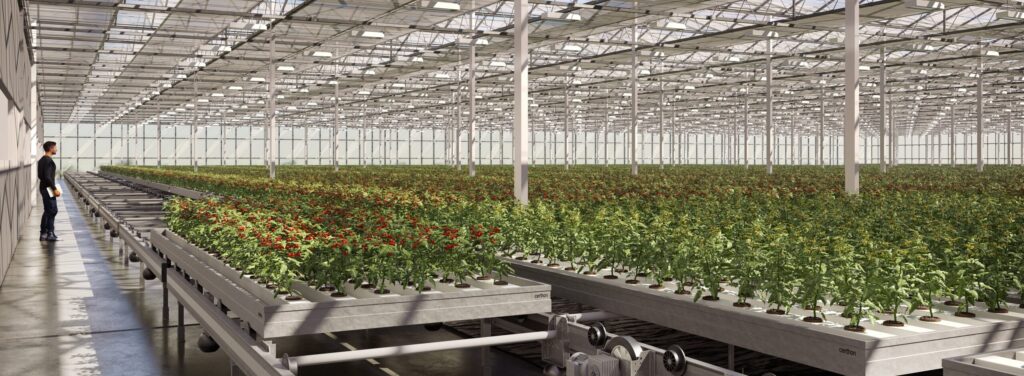
An outdoor greenhouse is one of the most powerful tools a gardener can own. It extends your growing season by months, protects tender plants from frost and pests, and creates a controlled microclimate where almost anything can thrive. But here’s the catch: a greenhouse only delivers on its promise if you stock it with the right greenhouse supplies.
This guide walks through the essential supplies every greenhouse owner needs across three critical areas: ventilation, humidity, and pest control.
Why Greenhouse Supplies Matter More Than You Think
A greenhouse is essentially a closed system. Heat builds up, humidity climbs, and pests (once inside) can multiply quickly because their natural predators are locked out. Without the right greenhouse supplies, conditions can swing from ideal to plant-killing in a single afternoon. The good news is that managing all three variables comes down to a small set of well-chosen tools, not every gadget on the market.
Ventilation: The Most Underrated Need
Most new outdoor greenhouse owners underestimate how much airflow their plants need. Stagnant air encourages mold, mildew, and fungal diseases, while overheating cooks plants from the inside out. Proper ventilation prevents both.
The most useful ventilation supplies to invest in are:
- Roof vents with automatic openers that respond to temperature
- Side louvers for true cross-ventilation
- A small oscillating fan to keep air circulating and strengthen plant stems
- A thermometer with min/max memory so you know how hot and cold it gets
If your outdoor greenhouse only has one ventilation upgrade, make it a roof vent with an automatic opener. Quality polycarbonate greenhouses come with built-in roof vents and louvered side vents that handle this work elegantly, especially when you’re away at work or out of town.
Humidity: The Goldilocks Zone
Too humid, and you’re inviting powdery mildew, botrytis, and root rot. Too dry, and your plants stress, drop flowers, and become magnets for spider mites. The sweet spot for most crops is 50 to 70 percent relative humidity.
A reliable digital hygrometer is the cheapest, most useful tool you can buy for this. You can’t manage what you don’t measure. Beyond that, humidity trays placed under heat-loving plants like peppers and citrus add gentle localized moisture, while a misting bottle raises humidity quickly on hot, dry days. In summer, shade cloth reduces heat and slows evaporation, helping stabilize humidity at the same time.
Pest Control: Stopping Problems Before They Spread
The hardest lesson new outdoor greenhouse owners learn is how quickly pests can take over a closed space. Aphids, whiteflies, spider mites, and fungus gnats all love warm, humid environments. The key is prevention plus early intervention.
The greenhouse supplies that consistently work for home gardeners are:
- Yellow and blue sticky traps to catch flying pests early
- Insect screens on every vent opening
- Neem oil and insecticidal soap for safe, low-toxicity treatment
- Beneficial insects like ladybugs and lacewings for organic control
- Diatomaceous earth for soft-bodied crawling pests
Hang one sticky trap per 50 square feet, so you spot problems before they explode. Screens on every opening block aphids and whiteflies without seriously restricting airflow. Releasing beneficial insects is one of the most satisfying organic pest control methods you can practice, and it pairs naturally with the sustainable gardening ethos most home gardeners share.
Set Your Outdoor Greenhouse Up Right
A well-equipped outdoor greenhouse is one of the most rewarding investments a home gardener can make. The right greenhouse supplies don’t just protect your plants; they let you grow things you never thought possible in your climate. Citrus in Minnesota. Tomatoes in November. Seedlings months ahead of the last frost.
Treat It Like A System
An outdoor greenhouse rewards the gardeners who treat it as a system rather than a piece of equipment. Ventilation, humidity, and pest control all influence each other, and the right greenhouse supplies work together quietly to maintain stable growing conditions. Start with the basics in this guide. Add tools over time as you learn your specific climate, the crops you grow, and the patterns that emerge season after season. A well-managed greenhouse can extend your growing season by months and unlock plants that wouldn’t survive in your zone otherwise.