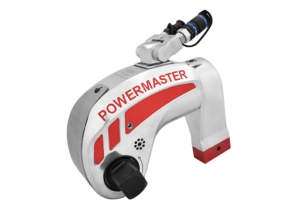
Walk into any car plant and look up. Above most workstations, you’ll see tools hanging from thin steel wires. A nut runner here, a drill there. The worker pulls the tool down, uses it and lets go, and it floats back up out of the way.
That’s a balancer spring at work. It’s a small thing, but on a line where one tool gets picked up 300 or 400 times a shift, it makes a big difference to people’s arms and backs.
How a balancer spring holds the tool up
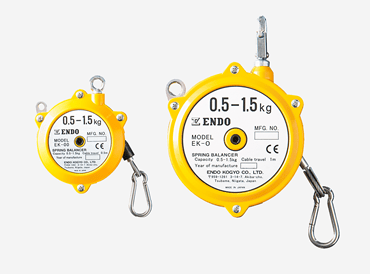
Inside the balancer, there’s a coiled spring wound around a drum. A wire rope comes out of the bottom, and the tool hangs from a hook on the end.
When you pull the tool down, the spring winds up a little. When you let go, it pulls the wire back in. You can set the spring so the tool feels almost weightless. It just stays where you leave it.
Honestly, once people get used to it, they don’t want to go back to lifting the tool every time.
Where an I beam trolley system fits in
A balancer usually hangs from something overhead. If it’s fixed to one spot, the tool can only reach so far.
That’s where an i beam trolley system helps. The trolley has small wheels that run along the bottom of a steel I beam. You hang the balancer from the trolley, and now the tool can move along the beam with the worker. On a moving line, this means the worker doesn’t have to stretch to reach the job.
Just check that the trolley is made for the beam size you have, and that it can carry the balancer and the tool together.
Getting the weight range right
Every balancer spring works within a weight range. A small one might hold half a kilo. A heavy one can take a few hundred kilos.
The mistake people make is weighing only the tool. Add the hose or cable too, since that hangs off the tool and adds weight. If the balancer is too weak, the tool slowly drifts down. If it’s too strong, the tool shoots back up when you let go, which isn’t safe either.
Safety features worth having
The most important one is a wire arrest. If the spring breaks, it stops the wire from flying back up and the tool from falling down. Some balancers also have a drum lock, so the wire stays still while you change the tool, and a tension gauge, so you can see how tight the spring is set.
Check the wire rope now and then too. If the wire looks worn, broken in places or bent, change it before it snaps.
Conclusion
A balancer spring takes the weight off your workers, and an i beam trolley system lets the tool follow them along the line. Pick the right weight, add a wire arrest, and keep an eye on the rope.
Spring Balancers offers balancers from 0.5 kg to 300 kg, I-beam trolleys rated up to 1,000 kg, and models with a wire arrest mechanism, used in over 85 countries.