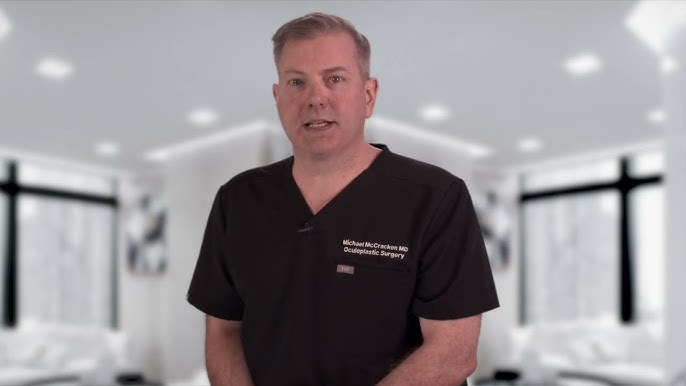
Dentists who learn implant dentistry from a textbook know how it works in theory. When dentists learn it directly from someone with a lot of clinical knowledge, they can handle the cases. Dr. Michael Mccracken‘s implant education program is built on the latter approach.
Why Case Sequencing Matters More Than Technique
Real Clinical Decision-Making
- While implant techniques, drill sequences, and torque values can be learned through coursework, understanding how to apply them in different clinical situations requires deeper training.
- Students learn how to evaluate cases with limited bone volume and determine the most appropriate treatment approach before surgery begins.
- The program emphasizes planning the final restorative outcome first, ensuring surgical decisions support long-term success.
- Training includes strategies for managing unexpected complications calmly and effectively, helping dentists develop confidence in real-world scenarios.
Hands-On Time with Direct Feedback
The most valuable part of any clinical education is the feedback loop. A student places an implant, the mentor observes and comments immediately, the student adjusts. That cycle, repeated across enough cases, builds the kind of muscle memory and pattern recognition that does not come from observation alone. Dr. Michael Mccracken’s program prioritizes hands-on time rather than treating it as an add-on to the didactic content. Students leave having placed implants under supervision, not just having watched placements on video.
Building Judgment, Not Just Skill
One of the most valuable aspects of implant education is learning how to make sound clinical decisions, not simply mastering technical procedures. While implant placement techniques can be taught through lectures, manuals, and hands-on exercises, developing clinical judgment requires exposure to real cases and real-world treatment challenges.
Successful implant dentistry often depends on knowing when to proceed, when to modify a treatment plan, and when additional preparation is necessary before surgery begins.
Students learn how to evaluate implant sites more comprehensively, recognizing situations where bone quality, bone volume, or anatomical limitations may require additional procedures to improve treatment predictability. They also gain experience assessing patient health histories and identifying medical factors that could influence treatment outcomes or warrant consultation with a specialist. Understanding these considerations helps clinicians make safer and more informed decisions for their patients.
The program also emphasizes the relationship between surgical placement and restorative success. Participants learn how treatment planning decisions made before surgery can affect function, esthetics, occlusion, and long-term implant performance. By analyzing real clinical cases, students develop the ability to anticipate potential complications and address them proactively rather than reacting after problems arise.
Practical Implant Training for Real Clinical Success
Focused on Competency
- The program is designed for dentists who want to integrate implant placement into their practices with confidence and competence.
- Training combines clinical knowledge, hands-on experience, and expert mentorship to create a well-rounded educational experience.
- Rather than focusing solely on certificate completion, the program emphasizes developing skills that translate directly to patient care.
- Graduates leave with practical experience, stronger decision-making abilities, and a clearer understanding of how to manage implant cases successfully in real-world practice.
Long-Term Support After the Course
Access to a mentor does not have to end when the course does. Complicated cases, unusual presentations, and unexpected complications are part of implant practice. Having a resource to consult when something does not look right is a significant advantage for dentists still building their implant caseload. The program includes ongoing access for case consultation, which extends the value of the training well beyond the course dates.
Implant training with Dr. Michael Mccracken is for dentists who want to add implant placement to their practice in a way that is grounded in real clinical competency, not just certificate completion. The program is practical by design.