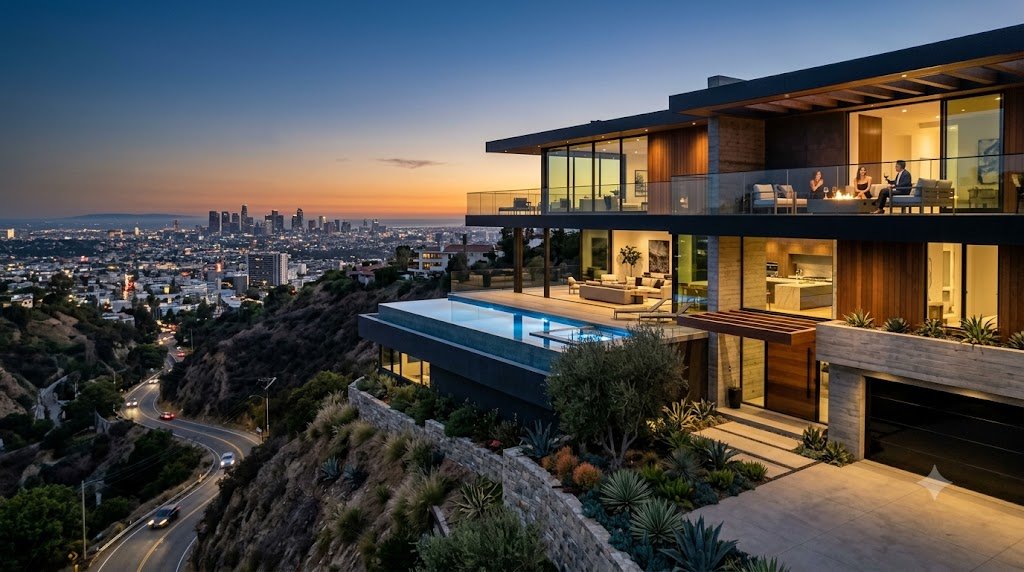
Picture this. A couple buys a tired 1960s home a few blocks from the sand in Manhattan Beach. They hire an architect who draws a beautiful, glass-heavy design. They hand the plans to a contractor, and three weeks later the bid arrives at nearly double the budget. The architect says the contractor is overpricing. The contractor says the plans are impossible to build as drawn. The couple sits in the middle, months behind, with a design they can no longer afford.
It happens more often than owners expect, and it is a major reason design-build is gaining ground among people looking for a luxury home builder Manhattan Beach projects can rely on.
One Team, One Contract
Design-build puts the designers and the builders in the same room, under one agreement. Instead of two companies working from separate scopes and separate incentives, one accountable firm handles the architecture, engineering coordination, permitting preparation, and construction.
For homeowners, the practical change is simple: when a question comes up, there is one place to take it.
Why Coastal Lots Punish Disconnected Teams
A flat suburban lot forgives mistakes. A Manhattan Beach lot rarely does. Consider what a typical project has to solve at once:
- A narrow buildable envelope shaped by setbacks and height limits
- Sloped or hillside ground that affects foundations and retaining walls
- Salt air and moisture that wear down the wrong materials quickly
- Large glass openings and rooftop decks that need serious structural planning
- Neighbors close on every side, with views and privacy to protect
Each of these decisions touches both design and construction. When the people drawing and the people building talk early, problems get solved on paper instead of on site.
Myth vs. Reality
Myth: Design-build costs more.
Reality: Price depends on scope, finishes, and site conditions, not the delivery method. What design-build often changes is when you learn the numbers. Builders review costs while the design is still flexible, so you adjust early rather than redesign after a shocking bid.
Myth: You give up control of the design.
Reality: You still choose the layout, materials, and style. The team simply tells you what each choice does to budget and buildability as you go.
Myth: It is only for giant estates.
Reality: Design-build works for major remodels, additions, and ground-up custom homes alike.
Myth: Traditional is always safer.
Reality: Traditional design-bid-build suits some owners, especially those who want independent oversight of a fully completed set of plans or want to competitively bid the work. It simply leaves the owner holding more coordination risk.
What a Project Feels Like From the Owner’s Seat
It starts with a conversation about how you actually live: where you cook, how you entertain, what the view means to you. The team studies the lot, reviews zoning and setbacks, and gives an early sense of what is realistic.
From there, concept designs arrive with cost feedback attached. As plans mature into detailed drawings, engineers and consultants join, and the builder flags anything that would be difficult or costly to execute. Permit submission follows, and since review times depend on the city and the project, it is smart to confirm current requirements with the City of Manhattan Beach or a licensed professional.
Before construction begins, final pricing, scheduling, and material orders are locked in. During the build, you get regular updates and site visits, and at the end, a careful walkthrough once final inspections and the certificate of occupancy are complete.
Seven Questions Worth Asking Any Builder
Before signing with anyone, ask:
- Which completed homes can I visit in person?
- Who will I talk to day to day?
- How will you update the budget while we design?
- How do you document and approve changes?
- Are your California license and insurance current?
- How do you handle city permitting and inspections?
- What does your warranty cover after move-in?
Pay attention to how the answers feel. Clear, specific replies tell you more than a polished brochure.
Reading a Builder’s Work in Person
When you tour a finished home, skip the staging and look at the seams. Check how trim meets walls, how doors swing and close, how tile lines up at corners, and how outdoor spaces drain. In a coastal climate, look closely at exterior finishes, deck details, and hardware, since these take the most punishment from salt and sun.
A builder confident in the work will happily let you look closely.
Where Reeland Investments Fits
Reeland Investments is a Los Angeles-based luxury home developer and builder. Our team brings design, engineering, consultants, and licensed trades together so the people shaping your home are the same people responsible for building it. If you own a lot, are weighing a teardown, or want to see whether a design-build approach suits your goals, we are happy to talk it through with no pressure.
FAQs
What does design-build actually mean?
One firm leads both design and construction under a single contract, giving owners a single point of accountability.
Does it work better for coastal homes?
Often, yes. Tight lots, strict setbacks, hillside conditions, and moisture-resistant detailing all reward early coordination between designer and builder.
Will it cost more than hiring an architect and contractor separately?
Not by default. Early cost feedback can prevent redesigns and avoidable change orders, though the final figure still depends on your scope and site.
How long does it take?
Design and permitting usually take several months, and building a custom home can take a year or more. Your builder can give a realistic schedule once they review your lot and plans.
Do I still need an architect?
Your home still needs professional design and engineering. Many design-build firms have architects on the team or work with trusted partners.
Can I still pick my own finishes?
Yes. You stay in charge of design choices, with guidance on cost and construction impact along the way.
How do I pick the right firm?
Review finished work, verify licensing and insurance, ask about budgeting and communication, and talk with past clients if possible.
If a smoother, more predictable path to a luxury coastal home sounds right, reach out to Reeland Investments and let’s talk about your property.