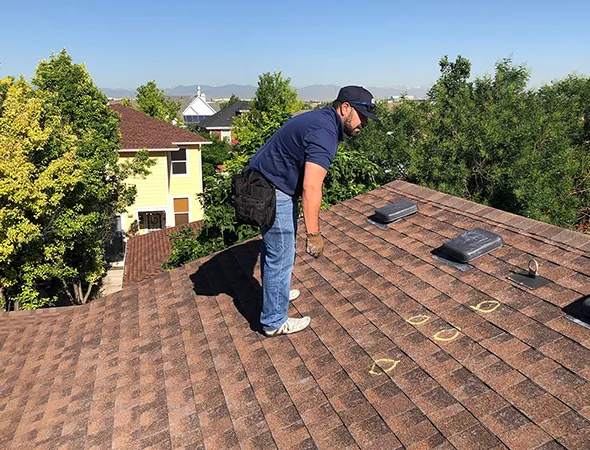
A small water stain on your ceiling might seem harmless until the next heavy rain turns it into a serious leak. For homeowners in Brookville, Indiana, deciding whether to repair or replace a damaged roof isn’t always easy. You want to protect your home without spending thousands on work you might not need.
Working with a reliable Roofing Company in Brookville, IN can help you understand the condition of your roof before making a costly decision. However, knowing what to look for yourself makes the process much easier.
From damaged shingles and recurring leaks to aging roofing materials, several factors determine whether a repair will solve the problem or a replacement makes more financial sense. This guide explains the warning signs, costs, and questions worth considering before you commit to either option.
Why Roof Condition Matters More Than Roof Age
Many homeowners assume that an older roof automatically needs replacing. While age is important, it doesn’t tell the whole story.
A 12-year-old roof with poor ventilation and repeated storm damage could be in worse condition than a properly maintained roof that’s 20 years old.
Roofing materials deteriorate at different rates depending on their quality, installation, maintenance, and exposure to weather.
In Brookville, roofs experience several seasonal challenges:
- Spring storms: Strong winds and heavy rainfall can loosen shingles and expose vulnerable roofing components.
- Summer heat: Prolonged sun exposure can accelerate aging in asphalt shingles.
- Fall debris: Leaves and branches can collect in gutters and roof valleys, interfering with drainage.
- Winter freezing: Snow, ice, and freeze-thaw cycles can worsen existing cracks and moisture problems.
These conditions make regular roof inspections especially important.
Instead of focusing exclusively on your roof’s installation date, evaluate its overall condition, repair history, and ability to keep water out.
6 Signs Your Roof May Only Need Repairs
Not every roofing problem requires a complete replacement. When damage affects a limited area and the remaining roofing system is structurally sound, targeted repairs can restore protection at a lower cost.
1. A few shingles are missing or damaged
Strong winds occasionally lift or remove individual shingles. If the damage is isolated and the surrounding materials remain in good condition, replacing those shingles may be sufficient.
However, the underlying roof decking and underlayment should also be checked for moisture exposure.
2. A leak comes from one identifiable location
A leak around a chimney, vent, or roof penetration may result from damaged flashing or deteriorated sealant.
Repairing the affected component can resolve the problem without replacing the entire roofing system.
Remember that water sometimes travels along rafters or decking before appearing on your ceiling. The visible stain may not be directly below the leak.
3. Flashing has become loose
Flashing consists of metal components installed around chimneys, skylights, valleys, and other vulnerable roof intersections.
When flashing loosens or corrodes, water can enter through gaps.
Replacing or properly securing damaged flashing may restore the roof’s watertight protection.
4. Minor storm damage affects one section
Windblown debris or falling branches can damage a small section of roofing.
If an inspection confirms that the damage hasn’t spread to surrounding materials or compromised the structure, localized repairs may be appropriate.
5. Gutters are causing drainage problems
Clogged or damaged gutters sometimes create symptoms that resemble roofing failures.
Water can overflow near fascia boards or back up beneath roof edges.
Cleaning, repairing, or adjusting the drainage system may resolve the problem without major roofing work.
6. The roof is relatively young and otherwise healthy
If your roof was installed recently, has no history of widespread leaks, and shows limited damage, repairs are often worth considering first.
A professional inspection can determine whether the affected area can be repaired without compromising the rest of the system.
When Is a Complete Roof Replacement the Better Option?
Repairs become less practical when roofing problems are widespread, recurring, or connected to the overall condition of the roof.
Here are several warning signs that replacement deserves serious consideration.
Widespread shingle deterioration
Asphalt shingles naturally lose protective granules over time. Extensive granule loss, curling, cracking, or brittle shingles can indicate advanced deterioration.
When these problems appear throughout the roof, replacing individual shingles may provide only temporary relief.
Multiple leaks in different areas
One leak might come from a damaged vent flashing. Several unrelated leaks could indicate broader roofing problems.
Repeated repairs can become expensive, especially when new leaks appear shortly after previous work.
At that point, replacing the roofing system may provide better long-term value.
Sagging roof sections
A visibly sagging roofline deserves immediate professional attention.
Sagging can indicate damaged decking, structural deterioration, excessive loads, or other underlying problems.
It doesn’t automatically mean the entire roof must be replaced, but the cause needs to be identified before any roofing work begins.
Significant moisture damage
Water that penetrates beneath shingles can damage decking, insulation, and interior materials.
If moisture has affected large portions of the roof structure, replacing surface materials alone may not solve the problem.
Damaged structural components must be evaluated and repaired as necessary.
The roof is nearing the end of its useful life
Many asphalt shingle roofs have an expected service life of roughly 20 to 30 years, depending on the product, installation quality, climate, and maintenance.
If your roof is approaching that range and needs frequent repairs, replacement may be a more sensible investment.
Roof Repair vs. Replacement: Understanding the Cost Difference
Roof repair usually costs less upfront because it addresses a specific problem rather than the entire roofing system.
However, the lowest immediate price doesn’t always represent the best long-term value.
Consider these factors before comparing estimates:
| Factor | Roof repair | Roof replacement |
| Initial investment | Usually lower | Usually higher |
| Project scope | Specific damaged areas | Most or all of the roofing system |
| Project duration | Often shorter | Usually longer |
| Long-term value | Strong when the roof is otherwise healthy | Strong when deterioration is widespread |
| Material matching | Existing materials may be difficult to match | Consistent new roofing materials |
| Warranty coverage | Depends on repair scope and contractor | Depends on materials and installation |
For example, imagine your roof needs a small flashing repair. If the surrounding roofing materials are healthy, replacing the entire roof would likely be unnecessary.
Now imagine you’ve paid for multiple repairs over several years, and new leaks continue appearing. A replacement could eliminate recurring problems more effectively.
When evaluating costs, request an itemized estimate showing labor, materials, removal, disposal, decking repairs, and any additional work.
This makes it easier to compare options without overlooking important expenses.
What Should a Professional Residential Roof Inspection Include?
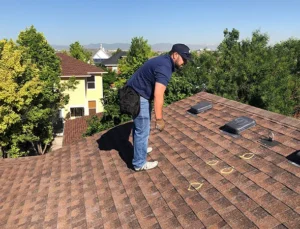
A thorough roof inspection helps establish whether visible damage is isolated or part of a larger problem.
When evaluating a Residential Roofing Service in Brookville, IN, homeowners should understand what a proper inspection involves.
Exterior roofing materials
The contractor should examine shingles for cracks, curling, missing sections, loose fasteners, and other signs of deterioration.
Roof valleys, ridge caps, and vulnerable edges also deserve attention.
Flashing and roof penetrations
Chimneys, vents, skylights, and other roof openings require properly installed flashing to prevent water intrusion.
An inspection should identify damaged, loose, or deteriorating components.
Attic ventilation and moisture
Poor attic ventilation can contribute to heat and moisture buildup, potentially shortening the lifespan of roofing materials.
Inspectors may look for moisture stains, damp insulation, condensation, and visible signs of inadequate airflow.
Roof decking and structural concerns
Where accessible, the contractor should evaluate decking for deterioration, sagging, or water damage.
Some conditions cannot be fully confirmed until existing roofing materials are removed.
Gutters and drainage
Proper drainage helps prevent water from collecting near roof edges and other vulnerable areas.
Inspectors should check for visible blockages, improper drainage, and damaged gutter components.
Once the inspection is complete, ask for photographs and an explanation of the findings.
A trustworthy recommendation should connect the proposed work to specific problems identified during the inspection.
How Indiana Weather Influences Roofing Decisions
Brookville’s seasonal weather makes roofing material selection and installation quality especially important.
Heavy rainfall places pressure on roof drainage systems, while strong winds can loosen improperly secured shingles.
During winter, freezing temperatures may contribute to ice accumulation along roof edges. Ice dams can form when snow melts on warmer roof surfaces and refreezes near colder eaves, allowing water to back up beneath roofing materials.
Proper insulation, air sealing, ventilation, and appropriate water barriers help reduce these risks.
Summer conditions create different challenges. Heat and sunlight gradually age roofing materials, while trapped attic heat can contribute to unfavorable roof conditions.
For homeowners considering replacement, material selection should account for these seasonal demands.
Architectural asphalt shingles are a common residential option because they offer a balance of affordability, appearance, and durability.
Metal roofing may also be worth considering for its longevity and weather resistance, although installation costs and design requirements differ.
The right choice depends on your home’s structure, budget, appearance preferences, and long-term maintenance expectations.
What to Ask Before Hiring a Roofing Contractor
Choosing a contractor involves more than comparing prices.
A detailed estimate, clear communication, and appropriate qualifications can help protect your investment.
Before signing a roofing agreement, ask:
- What damage did the inspection identify? Request photographs and a clear explanation of the underlying problem.
- Why are you recommending repair or replacement? The contractor should explain why the proposed solution fits your roof’s condition.
- What materials will you use? Ask about manufacturer specifications, product options, and expected performance.
- Does the estimate include potential decking repairs? Understand how unexpected damage will be documented and priced.
- What warranty protection applies? Distinguish between manufacturer material warranties and contractor workmanship warranties.
- How will you protect my property? Discuss landscaping protection, debris removal, magnetic nail cleanup, and final inspection.
- What insurance coverage do you carry? Request appropriate documentation and confirm any applicable local requirements.
A reputable Roofing Company in Brookville, IN should answer these questions clearly without pressuring you into an immediate decision.
If a contractor recommends complete replacement without explaining the condition of your existing roof, consider obtaining another professional opinion.
Can Homeowners Insurance Help Cover Roof Damage?
Homeowners insurance may cover roofing damage caused by sudden, accidental events such as windstorms, hail, or falling trees.
However, ordinary wear, aging, and neglected maintenance are generally excluded.
Coverage depends on your individual policy, deductible, exclusions, and the cause of the damage.
If you suspect storm-related damage, document visible problems from a safe location and contact your insurance provider.
Avoid climbing onto a damaged roof yourself.
A roofing contractor can help identify and document damage, provide repair estimates, and explain the work needed to restore the roofing system.
The insurance company ultimately determines whether the claim qualifies for coverage under your policy.
Crawley Roofing LLC offers roof inspections and insurance claim documentation support for homeowners dealing with storm-related roofing concerns.
Crawley Roofing LLC
+1
How Preventive Maintenance Helps You Avoid Major Roofing Expenses
Regular maintenance helps homeowners identify small problems before they become extensive repairs.
You don’t need to wait for a visible leak to evaluate your roof.
Consider scheduling professional inspections periodically and after significant storms, especially if your roof is older or has a history of damage.
Between inspections, homeowners can monitor their properties from the ground.
Watch for missing shingles, overflowing gutters, unusual roofline changes, and interior moisture stains.
Keep gutters clear, address overhanging branches where appropriate, and investigate unexplained water spots promptly.
Preventive maintenance doesn’t eliminate natural roofing deterioration, but it helps homeowners make informed decisions about repairs and replacement.
For homeowners seeking a Residential Roofing Service in Brookville, IN, maintenance inspections can also establish a useful record of roof condition over time.
Frequently Asked Questions
How do I know whether my roof needs repair or replacement?
The decision depends on the roof’s age, overall condition, and extent of damage. Isolated problems, such as a few missing shingles or damaged flashing, often require repairs. Widespread deterioration, repeated leaks, or extensive moisture damage may justify replacement. A professional inspection helps determine which solution offers better long-term value.
How long does a residential roof replacement take?
Many straightforward residential roof replacements can be completed within one to three days. However, larger roofs, complex designs, unfavorable weather, and unexpected decking repairs can extend the timeline. Ask your contractor for an estimated schedule and how delays will be handled before work begins.
Should I get my roof inspected after a major storm?
Yes. Strong winds, hail, and falling debris can damage roofing materials without creating immediately visible leaks. A professional inspection can identify loosened shingles, damaged flashing, and other vulnerable areas. Early detection helps prevent additional moisture intrusion and provides useful documentation if you need to contact your insurance provider.
Can I repair my roof instead of replacing it to save money?
Repairs can save money when damage is limited and the remaining roof is in good condition. However, repeatedly repairing an aging or deteriorating roof may cost more over time. Compare the estimated repair expense, expected remaining roof life, and replacement cost before deciding.
What should I look for in a residential roofing contractor?
Look for relevant experience, appropriate insurance, clear written estimates, and a willingness to explain inspection findings. Ask about material options, workmanship warranties, project timelines, and cleanup procedures. Checking independent reviews and verifying business credentials can also help you evaluate a contractor before signing an agreement.
Conclusion
Deciding between roof repair and replacement comes down to understanding the actual condition of your roofing system. Minor damage often calls for targeted repairs, while widespread deterioration and recurring leaks may make replacement the more practical investment.
For homeowners in Brookville, regular inspections and timely maintenance can help prevent small roofing problems from becoming expensive emergencies.
If you’re unsure what your roof needs, Crawley Roofing LLC offers residential roofing inspections, repairs, installations, and maintenance. Its team can assess your roof’s condition, explain your options, and provide an estimate based on the work required.