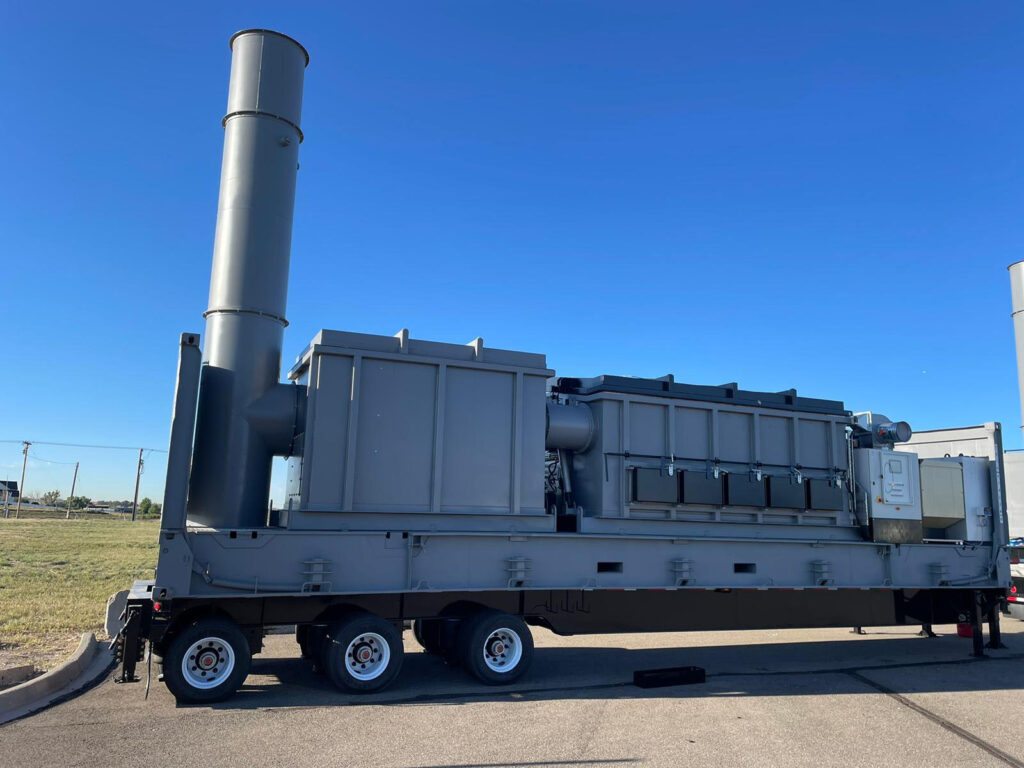
Managing waste in remote locations can be challenging because transportation, storage, and disposal options are often limited. Camps, mining sites, disaster response areas, field hospitals, and isolated industrial facilities all generate waste that must be treated safely and efficiently. A mobile waste incinerator offers a practical solution by allowing waste to be destroyed directly at the source. This reduces the need to transport hazardous material over long distances and helps maintain cleaner, safer surroundings.
Why Mobile Waste Incinerators Are Useful
A mobile waste incinerator is designed for flexibility. Unlike fixed systems, it can be transported to areas where permanent waste treatment infrastructure is unavailable. This makes it especially valuable for remote sites that produce medical waste, biological waste, packaging waste, or general non recyclable waste. Because it can operate close to the waste generation point, it reduces handling time, lowers transport costs, and improves response speed.
One of the biggest advantages of a mobile system is convenience.
In remote locations, waiting for waste to be collected and moved to another facility may create serious health and environmental risks. A mobile incinerator helps solve this problem by enabling on site treatment. It also reduces the chance of waste accumulation, odor, pest attraction, and contamination.
Key Features to Look For
Choosing the right mobile waste incinerator depends on the type and amount of waste being generated. A good system should have a strong combustion chamber, reliable temperature control, and efficient fuel use. It should also be easy to transport, set up, and operate in different field conditions. Durability is another important factor, since remote sites may expose equipment to rough terrain, dust, moisture, or frequent movement.
Emission control is also essential.
Even in remote locations, waste treatment must protect air quality and meet safety expectations. The best mobile unit should be able to burn waste efficiently while minimizing smoke and harmful gases. This helps ensure that waste management remains responsible and environmentally conscious.
Role of Kiln Incinerator Technology
In some cases, a kiln incinerator design may be suitable for remote waste disposal needs. Kiln based systems are known for their strong thermal performance and ability to process difficult waste materials. When adapted into a mobile format, this technology can be useful for sites that need high temperature treatment of mixed or hazardous waste.
A kiln incinerator can be especially effective
when waste includes dense, uneven, or contaminated materials that require more complete burning. Its rotating or high heat chamber design helps improve combustion and reduce leftover residue. For remote operations that need dependable waste destruction, this can be a major advantage.
Best Choice for Different Remote Sites
The right mobile waste incinerator depends on the location and waste type. For medical camps or emergency sites, a compact and easy to operate unit may be the best option. For industrial or mining locations, a more robust system with higher capacity and stronger thermal performance may be needed. If waste is complex or difficult to burn, a mobile system inspired by kiln incinerator technology may provide better results.
The ideal choice is one that balances portability, efficiency, safety, and waste capacity. It should also be simple enough to operate without requiring heavy infrastructure support. Remote locations benefit most from systems that are dependable, low maintenance, and adaptable to changing field conditions.
Conclusion
A mobile waste incinerator is a smart solution for remote locations because it allows waste to be treated safely on site. It reduces transport challenges, improves hygiene, and supports faster waste disposal. When paired with strong combustion design, including kiln incinerator features, it becomes a reliable option for effective remote waste management.