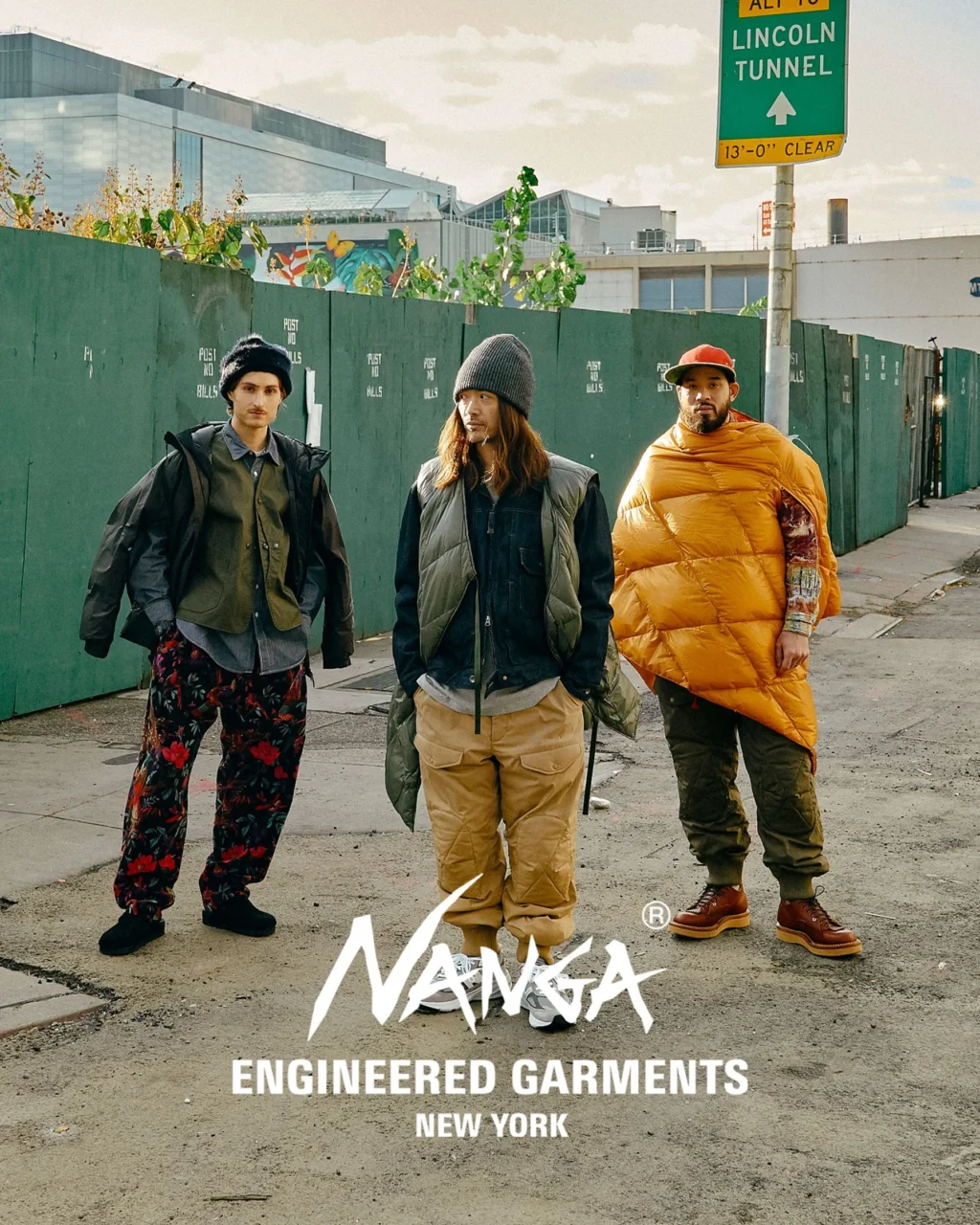
Engineered Garments has earned a distinct place in modern menswear by bringing together American workwear, military uniforms, outdoor clothing, and Japanese design. The label feels familiar because its garments often borrow shapes that have been part of everyday clothing for decades, yet small details give each piece a different character. Pocket placement, fabric choice, loose cuts, layered construction, and practical features all add personality without relying on oversized logos. Engineered Garments Clothing suits people who enjoy relaxed dressing with a strong sense of texture and proportion. A field jacket can sit comfortably with denim and sneakers, while a button-up shirt can work with fatigue trousers and boots. This freedom makes the label easy to wear across seasons and personal styles. Its appeal also comes from the way old American clothing references are reworked through a Japanese design viewpoint, creating garments that feel connected to fashion history while remaining suitable for present-day wardrobes.
The Story That Shaped Engineered Garments
Engineered Garments was founded by Japanese designer Daiki Suzuki in New York, with the label drawing much of its character from his interest in American menswear. Military uniforms, hunting clothing, work jackets, outdoor gear, and Ivy-inspired garments became important sources for his designs. Rather than copying older pieces exactly, Suzuki studied their construction, shapes, pockets, fabrics, and practical features before giving them a new identity. This method helped create clothing that carries a sense of history while fitting naturally into casual city wardrobes. The New York setting added another layer to the label’s character, while Suzuki’s Japanese background influenced his approach to proportion, fabric, stitching, and garment construction. Over time, Engineered Garments became known for pieces that reward close attention, since a jacket or shirt may reveal several interesting details that are easy to miss at first glance. That balance between familiar American clothing and Japanese design has remained central to the label’s appeal.
What Gives Engineered Garments Clothing Its Character
Engineered Garments Clothing stands apart through the way ordinary wardrobe pieces receive unexpected details and proportions. A field jacket may feature several pockets in different shapes, a shirt may use contrasting panels, and trousers may borrow details from military uniforms or work clothing. Fabric plays a major role too, with cotton ripstop, denim, chambray, corduroy, wool, nylon, and other textured materials appearing across different styles. These fabrics can give garments a distinctive feel from the first wear and may develop further character with regular use. Relaxed silhouettes also make the clothing comfortable for layering, which suits people who enjoy combining shirts, vests, jackets, coats, and trousers. Colors such as olive, navy, beige, brown, grey, black, and faded blue fit naturally into casual wardrobes. Instead of depending on loud graphics, Engineered Garments lets construction, material, shape, and small design choices create the visual identity of each piece.
Making Engineered Garments Jackets Part of Your Wardrobe
Engineered Garments Jackets can serve as the starting point for many casual outfits because their details already create plenty of visual interest. An olive field jacket can be paired with a white or grey T-shirt, straight denim, and canvas sneakers for an easy everyday look. When temperatures drop, a flannel shirt or wool sweater can sit beneath the jacket, adding warmth and texture. Fatigue trousers can create a classic workwear appearance, while dark jeans can give the same jacket a cleaner city feel. Footwear changes the mood too; sneakers keep the outfit relaxed, leather boots add a rugged touch, and loafers can give the clothing a slightly dressier finish. Since many jackets feature several pockets and textured fabrics, simpler garments underneath can help keep the outfit balanced. Mixing shades instead of trying to make every item match can also create a more natural result. The relaxed cuts found in many Engineered Garments US Jackets make them useful for layering without making an outfit feel overly formal.
Styling Engineered Garments Shirts With Ease
Engineered Garments Shirts can bring texture and personality to simple outfits while giving you several ways to dress throughout the year. Oxford shirts work well with denim and chinos, while chambray shirts pair naturally with fatigue trousers and work boots. A patterned shirt can become the main visual element when worn with plain trousers and simple footwear. Wearing a shirt open over a T-shirt creates a relaxed weekend outfit, while adding a vest or jacket makes the same combination suitable for cooler weather. Sleeve styling can also change the appearance, with rolled cuffs giving a casual feel and full sleeves creating a cleaner shape. Relaxed shirts often work nicely with straight or wider trousers, while tucking the shirt can create a more defined waistline. A shirt can also be worn beneath an Engineered Garments jacket when you want several layers without adding too much visual noise. The range of fabrics, colors, and patterns makes Engineered Garments Shirts useful for both simple daily outfits and more carefully assembled menswear looks.
Building Looks Around Engineered Garments Pants
Engineered Garments Pants bring practical styling and relaxed proportions into everyday wardrobes. Fatigue trousers, military-inspired pants, drawstring styles, and wider cuts can add shape to an outfit while keeping the overall appearance comfortable. Pairing fatigue pants with a plain T-shirt and field jacket creates a familiar workwear combination, while a chambray shirt can add another layer of texture. A knitted sweater works well during colder months, especially with leather boots or simple sneakers. Wider pants can look balanced with a shorter jacket, while a relaxed shirt can create a loose silhouette from top to bottom. Neutral shades make these trousers easy to wear with different colors and fabrics, so one pair can become part of several outfits. Engineered Garments Pants also work nicely with modern casual pieces, which means you do not need to build an entire outfit around heritage clothing. A clean sweatshirt, simple sneakers, and a pair of fatigue trousers can create a relaxed look with a subtle workwear influence.
The Fashion Influence Behind the Label
Engineered Garments has helped keep classic American workwear references relevant within modern menswear. Military jackets, hunting vests, fatigue trousers, field coats, and heritage shirts have found new audiences among people who enjoy relaxed city dressing. The label shows how these garments can be worn without creating a costume-like appearance. A single jacket can bring workwear character to modern denim, while a pair of fatigue pants can change the feel of a simple sweater and sneakers. This approach has also encouraged greater attention toward fabric texture, pocket design, garment proportions, stitching, and layering. People can take one piece from Engineered Garments and combine it with clothing from completely different styles. That freedom has helped the label remain appealing to both longtime menswear collectors and people who are just beginning to discover heritage-inspired clothing. Its influence comes from making older clothing ideas feel natural within everyday outfits rather than treating them as museum pieces.
Choosing Authentic Engineered Garments Pieces
When shopping for Engineered Garments, check the seller, garment label, model name, measurements, fabric information, stitching, buttons, and product photographs before placing an order. Clear images should show the front, back, pockets, labels, hardware, and interior sections when possible. Measurements matter because different collections and models can have different cuts, even when the stated size is the same. Comparing those measurements with a jacket, shirt, or pair of trousers that already fits you can make online shopping easier. Fabric details can also help you decide whether a piece suits warm or cold weather. Older Engineered Garments clothing may have different fabrics, colors, cuts, or construction details compared with newer releases, so checking the exact model can be useful when buying secondhand or previous-season pieces. A trusted menswear seller with clear photographs and complete product information is a good place to begin. Paying attention to small details before buying can help you find a genuine garment that fits your wardrobe and personal style.
Wearing Engineered Garments Through Every Season
Engineered Garments can work throughout the year when fabric weight and layering are chosen according to the weather. Lightweight cotton shirts, chambray pieces, and relaxed trousers can suit spring and summer, while wool jackets, corduroy, heavier cotton, and layered combinations are useful during autumn and winter. A spring outfit might pair an Engineered Garments Shirt with fatigue pants and canvas sneakers, while summer can call for a lighter shirt with relaxed trousers and simple footwear. When autumn arrives, a shirt can sit beneath a vest or field jacket, adding warmth without making the outfit feel heavy. Winter dressing can include knitwear, heavier coats, denim, wool trousers, and boots. The label’s earthy color range also works well across seasons, with olive, navy, brown, beige, charcoal, and faded blue fitting naturally into many combinations. This makes Engineered Garments Clothing a practical choice for wardrobes built around repeat wear and easy layering.
Simple Styling Rules for New Buyers
Someone discovering Engineered Garments for the first time does not need to purchase a complete wardrobe at once. Starting with one versatile piece can make it easier to understand the label’s proportions and styling language. A field jacket can be paired with clothing you already own, while fatigue pants can introduce workwear character without changing your entire look. Neutral shades are often easy starting points because they work with denim, knitwear, T-shirts, shirts, and sneakers. If you choose a patterned shirt or heavily detailed jacket, keep the rest of the outfit quiet so the main piece gets room to stand out. Pay attention to garment length and width as well, since relaxed cuts often look best when the proportions of the whole outfit work together. Mixing old and new clothing can also create an appealing result. A heritage-inspired jacket with modern denim and clean sneakers can feel current while retaining the character that makes Engineered Garments distinctive.
Frequently Asked Questions About Engineered Garments
What is Engineered Garments known for?
Engineered Garments is known for American workwear references, military-inspired clothing, outdoor influences, relaxed silhouettes, unusual pocket arrangements, textured fabrics, and Japanese design. Its garments often reinterpret familiar clothing forms through small construction details and distinctive proportions.
Who founded Engineered Garments?
Daiki Suzuki founded Engineered Garments in New York. His Japanese background and interest in American clothing history played a major role in shaping the label’s design identity.
Are Engineered Garments Jackets suitable for everyday wear?
Yes. Engineered Garments Jackets can work with jeans, fatigue trousers, T-shirts, flannel shirts, knitwear, sneakers, boots, and other casual wardrobe pieces. Their relaxed shapes also make them suitable for layering.
How should Engineered Garments Shirts fit?
Many Engineered Garments Shirts use relaxed proportions, but the fit can differ between models. Checking the garment measurements before buying is the safest way to find a suitable size.
What can I wear with Engineered Garments Pants?
Engineered Garments Pants work well with T-shirts, button-up shirts, knitwear, field jackets, overshirts, sneakers, boots, and loafers. Wider pants can pair nicely with shorter jackets for a balanced outfit.
Is Engineered Garments suitable for casual fashion?
Yes. The label has a strong connection with casual menswear, workwear, military clothing, and outdoor garments. Its pieces can be mixed with simple modern clothing for everyday outfits.
Why Engineered Garments Clothing Remains Relevant
Engineered Garments Clothing continues to appeal to people who appreciate clothing with character, practical details, rich fabrics, and a clear connection to menswear history. Its combination of American workwear references and Japanese design gives each garment a distinct personality without making it difficult to wear. Engineered Garments Jackets can add structure to denim and sneakers, Engineered Garments Shirts can create useful layers, and Engineered Garments Pants can bring relaxed shape to everyday outfits. The label’s focus on fabric, proportion, pockets, construction, and personal styling gives its clothing a lasting place in modern wardrobes. For anyone interested in Japanese menswear, heritage clothing, military-inspired fashion, or relaxed workwear, Engineered Garments offers a rich selection of pieces that can become part of a personal style for years to come.