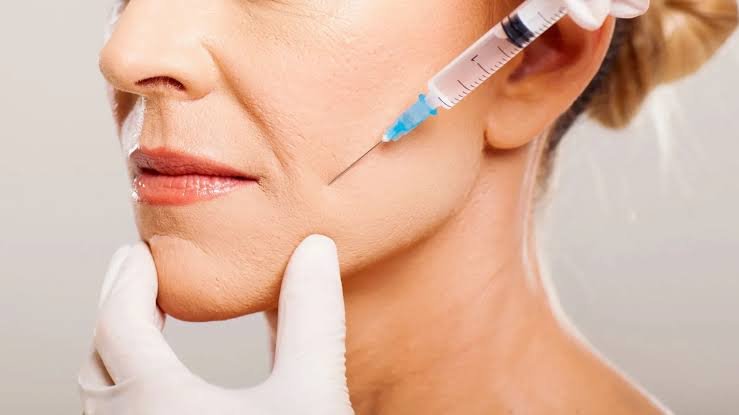
Facial ageing is a natural process that gradually changes skin texture, firmness, volume and overall facial appearance. As the years pass, the body’s natural collagen production begins to decline, which can contribute to thinner-looking skin, reduced facial support and the development of wrinkles and hollows. While traditional dermal fillers are often used to restore lost volume, some individuals prefer an approach that encourages the skin’s own collagen production over time. This is where Sculptra has become an increasingly considered option for facial rejuvenation.
Sculptra in Dubai is a treatment option for individuals interested in gradual improvements in facial volume and skin support. Unlike conventional hyaluronic acid fillers, Sculptra is made with poly-L-lactic acid (PLLA), a biocompatible synthetic material that stimulates the body’s natural collagen production. Rather than simply filling an area immediately, it works progressively, allowing facial changes to develop over several weeks and months.
Under the professional guidance of Dr. Camellia Kamyab, individuals can explore whether collagen-stimulating treatments are suitable for their facial structure, skin condition and aesthetic goals. Understanding how Sculptra works, what areas it can address and why its results develop gradually can help patients make informed decisions about facial rejuvenation.
Understanding the Role of Collagen in Facial Ageing
Collagen is an essential structural protein that helps maintain the skin’s firmness, elasticity and overall support. It forms part of the skin’s natural framework, contributing to a smooth and youthful appearance. During younger years, the body produces collagen efficiently, helping the skin maintain its structure and resilience.
However, collagen production gradually decreases with age. Environmental exposure, lifestyle factors and natural biological changes can also influence skin quality. As collagen levels decline, the skin may become less firm, and facial volume can appear reduced.
These changes can become noticeable around the cheeks, temples, jawline and lower face. Some individuals experience a gradual loss of facial definition, while others notice that their skin looks thinner or less supported.
Traditional approaches to facial rejuvenation often focus on replacing lost volume or softening visible lines. Collagen stimulation offers a different approach by encouraging the body’s natural regenerative processes. Instead of focusing exclusively on immediate volume replacement, it aims to improve the underlying support of the skin over time.
What Is Sculptra and How Does It Work?
Sculptra is an injectable collagen biostimulator containing poly-L-lactic acid. It is designed to encourage the body’s natural collagen production, helping improve facial volume and structural support gradually.
When Sculptra is injected into appropriately selected areas, the PLLA particles interact with the surrounding tissue and stimulate a controlled biological response. This encourages fibroblasts, the cells responsible for producing collagen, to become more active.
As new collagen develops, the treated areas can gradually gain improved structural support. This process takes time, which explains why Sculptra does not produce the same immediate volumising effect associated with many conventional dermal fillers.
The treatment is generally performed through a series of injections, with the number of sessions determined by individual facial characteristics and treatment objectives.
An important distinction is that the initial fullness sometimes noticed immediately after treatment is largely related to the liquid used during injection. This temporary effect settles as the fluid is absorbed, while the collagen-stimulating process continues.
How Collagen Stimulation Supports Gradual Facial Rejuvenation
One of the main characteristics of Sculptra is that it works progressively. Rather than creating a sudden change in facial appearance, it encourages gradual improvements as the body produces new collagen.
This process can support facial rejuvenation in several ways.
Improving Skin Structure and Firmness
As collagen levels increase, the skin may develop better structural support. This can contribute to a firmer and more refreshed appearance.
For individuals experiencing age-related changes in skin quality, collagen stimulation may help address the gradual loss of firmness. The objective is not to create an artificial appearance but to support the skin’s underlying structure.
Restoring Gradually Lost Facial Volume
Age-related volume loss can affect the natural balance of facial features. The cheeks may appear flatter, the temples may become hollow, and the lower face may lose some of its previous definition.
Sculptra encourages collagen development in selected treatment areas, helping improve the appearance of volume loss over time. Its gradual action makes it an option for individuals who prefer progressive changes rather than an immediate transformation.
Supporting Natural-Looking Facial Contours
Facial rejuvenation involves more than addressing individual wrinkles. The relationship between different facial areas plays an important role in maintaining balanced proportions.
By supporting collagen production in carefully selected areas, Sculptra may contribute to improved facial contours. Treatment planning focuses on maintaining the individual’s natural features and facial proportions.
Improving the Appearance of Age-Related Changes
Collagen loss can influence the appearance of several facial concerns, including hollowing, reduced cheek fullness and changes in skin support.
Sculptra may help address selected concerns by gradually improving the underlying tissue structure. The extent of improvement depends on the individual’s anatomy, skin condition and response to collagen stimulation.
Which Facial Areas Can Be Treated with Sculptra?
Treatment areas are selected according to facial anatomy, the pattern of volume loss and the individual’s aesthetic goals. Sculptra is commonly considered for areas where gradual restoration of structural support may be beneficial.
Cheeks and Midface
The cheeks are among the facial areas that can show noticeable volume changes with age. Reduced fullness may affect the overall balance between the midface and lower face.
Sculptra may be used to support gradual improvement in cheek volume and facial structure. Treatment planning considers the natural shape of the cheeks rather than focusing simply on increasing fullness.
Temples
Volume loss around the temples can create a hollow appearance and influence the overall proportions of the upper face.
For suitable individuals, collagen stimulation may help improve the appearance of temple hollowing. Careful assessment is important because this area has complex anatomy.
Lower Face
Changes in collagen and facial volume can influence the appearance of the lower face. The jawline and surrounding tissues may gradually lose some of their youthful support.
Depending on the individual’s facial structure, Sculptra Fillers in Dubai Sculptra may be considered as part of a broader facial rejuvenation plan.
Other Areas of Facial Volume Loss
Not every facial area is appropriate for Sculptra treatment. The suitability of each area depends on product-specific guidance, injection technique and individual anatomy.
A professional consultation helps determine which concerns can realistically be addressed through collagen stimulation.
Sculptra vs Traditional Dermal Fillers: Understanding the Difference
Although Sculptra and traditional dermal fillers are both injectable aesthetic treatments, their mechanisms and treatment objectives are different.
Most conventional hyaluronic acid fillers provide volume by placing a gel-like substance beneath the skin. They can create an immediate change in selected areas, making them useful for targeted volume enhancement and contouring.
Sculptra, on the other hand, works by stimulating collagen production. Its results develop gradually as the body’s natural collagen framework responds to treatment.
There are several important differences to understand:
- Treatment mechanism: Hyaluronic acid fillers directly add volume, whereas Sculptra encourages the body to produce collagen.
- Timeline: Traditional fillers generally provide visible volume changes immediately, while Sculptra develops progressively over weeks and months.
- Treatment objectives: Conventional fillers are often selected for specific areas requiring immediate contouring, while Sculptra is considered for gradual improvement in facial volume and structural support.
- Treatment planning: Both treatments require individual assessment, but the number of Sculptra sessions is often planned around the desired cumulative collagen response.
Neither option is universally better. The appropriate treatment depends on the patient’s facial anatomy, preferences and desired outcome.
What Happens During a Sculptra Treatment Session?
The process begins with a consultation to understand the individual’s concerns and expectations. A practitioner assesses facial proportions, skin condition, areas of volume loss and overall suitability for collagen stimulation.
The treatment plan is then developed according to the patient’s needs.
Before injections, the selected areas are prepared, and an appropriate technique is used to administer the product. The treatment involves placing Sculptra into carefully selected tissue planes to encourage collagen production.
The appointment generally includes several stages:
- Facial assessment: The practitioner evaluates facial structure and identifies suitable treatment areas.
- Treatment planning: The recommended approach is discussed, including the number of sessions.
- Preparation: The skin is cleansed, and the treatment areas are marked where necessary.
- Injection process: Sculptra is administered using an appropriate injection technique.
- Aftercare guidance: Patients receive instructions to support their recovery and treatment plan.
The treatment schedule varies according to individual requirements. Some patients may need multiple sessions spaced several weeks apart to achieve their desired outcome.
When Do Sculptra Results Become Visible?
Sculptra is designed to produce gradual results rather than immediate facial changes. This is because collagen production is a biological process that takes time.
Some initial fullness may be visible immediately after injections due to the treatment solution. However, this temporary appearance reduces as the fluid is absorbed.
Over the following weeks, the body’s collagen-producing cells respond to the PLLA particles. Gradually, new collagen develops and contributes to improved facial support and volume.
Many individuals begin noticing changes after several weeks, with improvements continuing over the following months. The overall timeline depends on factors such as age, skin condition, treatment areas and the number of sessions.
Patience is an important part of the treatment experience. The objective is to achieve progressive improvements that complement the natural facial structure.
Who May Be Suitable for Sculptra?
Sculptra may be considered by adults who are experiencing age-related facial volume loss and prefer gradual rejuvenation.
Potential candidates may include individuals who:
- Notice reduced cheek fullness or facial volume.
- Prefer progressive rather than immediate aesthetic changes.
- Want to improve the appearance of age-related facial hollowing.
- Are interested in supporting their skin’s natural collagen production.
- Prefer a treatment plan based on their individual facial anatomy.
However, suitability cannot be determined by age or appearance alone. A consultation is necessary to review medical history, existing aesthetic treatments, skin condition and personal expectations.
Sculptra may not be appropriate for everyone. Individuals with certain allergies, active skin infections in the treatment area or other relevant medical considerations require individual assessment.
How Long Can Sculptra Results Last?
One reason people consider Sculptra is its potential for longer-lasting results compared with some temporary injectable treatments.
As the body produces new collagen, improvements may remain visible for an extended period. Results can last up to two years or sometimes longer, depending on individual factors and the treatment plan.
However, the natural ageing process continues even after successful treatment. Collagen levels can gradually decline, and facial structures continue to change over time.
Maintenance recommendations should therefore be based on individual results rather than following a fixed schedule. A practitioner can assess whether additional treatment is appropriate.
Why Is Professional Treatment Planning Important?
Collagen stimulation requires an understanding of facial anatomy, product characteristics and the natural ageing process. Effective treatment planning involves identifying where structural support has been lost and determining whether Sculptra can address those concerns.
An experienced practitioner considers the face as a whole rather than treating isolated areas without considering their relationship to surrounding features.
The amount of product, injection placement and number of sessions are all important considerations. Individualised planning helps ensure that treatment objectives remain realistic and consistent with the patient’s natural appearance.
Under the care of Dr. Camellia Kamyab, patients can discuss their concerns and explore whether Sculptra is an appropriate option for their facial rejuvenation goals.
Conclusion
Sculptra offers a collagen-stimulating approach to facial rejuvenation by encouraging the body to produce its own collagen over time. Rather than relying on immediate volume replacement, it supports gradual improvements in facial structure, fullness and skin firmness.
For individuals experiencing age-related volume loss, this approach may provide an option for achieving progressive and natural-looking facial changes. Understanding the treatment mechanism, expected timeline and individual suitability is essential before proceeding.
Choosing Sculptra in Dubai involves more than selecting an injectable treatment. It requires professional assessment, careful facial analysis and a treatment plan that reflects the individual’s anatomy and expectations. With appropriate guidance from Dr. Camellia Kamyab, patients can explore whether collagen stimulation aligns with their long-term facial rejuvenation objectives.
Frequently Asked Questions
1. What is Sculptra used for?
Sculptra is an injectable collagen biostimulator used to address age-related facial volume loss and support gradual improvements in facial structure. It encourages natural collagen production rather than providing immediate volume in the same way as conventional dermal fillers.
2. How does Sculptra stimulate collagen production?
Sculptra contains poly-L-lactic acid (PLLA), which stimulates a biological response in the treated tissue. This encourages fibroblasts to produce collagen, gradually improving structural support and facial volume.
3. How long does Sculptra take to show results?
Results develop gradually over several weeks and months. Some individuals notice improvements after approximately six to eight weeks, although the timeline varies depending on their collagen response and treatment plan.
4. Is Sculptra different from traditional dermal fillers?
Yes. Traditional hyaluronic acid fillers provide direct volume enhancement, whereas Sculptra stimulates the body’s natural collagen production. Consequently, Sculptra results generally develop more gradually.
5. Which facial areas can benefit from Sculptra?
The cheeks, temples and selected areas affected by facial volume loss may be considered. The appropriate treatment areas depend on individual anatomy and professional assessment.
6. How many Sculptra sessions are usually needed?
The number of sessions varies according to the patient’s facial volume loss, treatment objectives and response to collagen stimulation. Some individuals require a series of sessions spaced several weeks apart.
7. How long do Sculptra results last?
Results can last up to two years or longer in some individuals. Longevity depends on factors such as age, collagen response, lifestyle and the treatment plan.
8. Does Sculptra provide immediate facial volume?
Sculptra is not designed to provide permanent immediate volume. Temporary fullness may appear following treatment because of the injection solution, but the main improvement develops gradually as new collagen forms.
9. Can Sculptra be combined with other aesthetic treatments?
In selected cases, Sculptra may form part of a broader facial rejuvenation plan. Whether it can be combined with other treatments depends on the products, treatment areas and recommended timing. A practitioner should determine the most appropriate approach.
10. Who should I consult before getting Sculptra in Dubai?
It is important to consult a qualified and experienced medical practitioner who can assess your facial anatomy, medical history and aesthetic goals. Dr. Camellia Kamyab can help individuals understand their options and determine whether collagen-stimulating treatment is suitable for their needs.