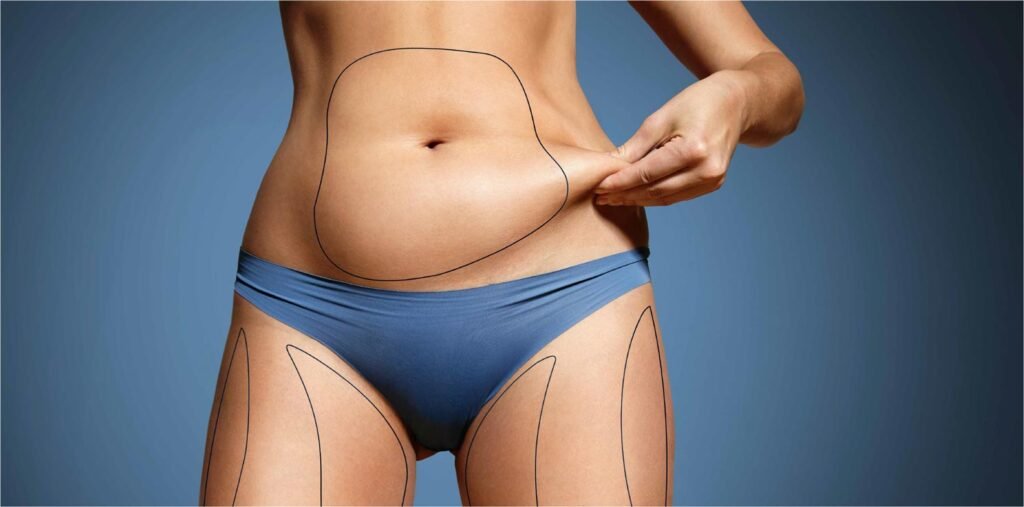
Abdominal changes can occur for many reasons, including pregnancy, significant weight fluctuations, ageing and natural changes in skin elasticity. Even with regular exercise and a balanced lifestyle, some people find that their abdominal area does not return to its previous shape. Loose skin, a persistent lower-abdominal fold or weakened abdominal muscles can all contribute to this concern.
Abdominoplasty, commonly known as a tummy tuck, is a surgical procedure designed to improve abdominal contours by addressing excess skin and, when appropriate, the underlying abdominal muscles. However, skin removal and muscle repair are two different aspects of the procedure. They address separate anatomical concerns and are not necessarily required together for every patient.
Understanding this distinction is important when considering Abdominoplasty dubai. A suitable surgical plan depends on the condition of the skin, the strength and position of the abdominal muscles, body proportions and the patient’s desired outcome. This article explains how skin removal differs from muscle repair, when each approach may be considered and how surgeons determine the most appropriate treatment plan.
Understanding Skin Removal During Abdominoplasty
Skin removal is one of the main components of a traditional tummy tuck. It focuses on removing excess abdominal skin that has become loose, stretched or unable to retract naturally.
Skin elasticity can decrease following pregnancy, substantial weight loss or ageing. When the skin has been stretched beyond its ability to recover, it may remain folded or hang over the lower abdomen. Diet and exercise can improve overall body composition, but they cannot reliably remove significant amounts of excess skin.
During abdominoplasty, the surgeon makes an incision, usually positioned low across the abdomen, to allow access to the underlying tissues. Excess skin is carefully removed, and the remaining skin is repositioned to create a smoother abdominal surface. The belly button may also need to be repositioned, depending on the surgical technique and the amount of skin being removed.
The primary purpose of this step is to improve the appearance of the abdominal skin. It can help address:
- Loose skin following pregnancy.
- Excess skin after significant weight loss.
- Persistent folds across the lower abdomen.
- Reduced skin firmness associated with ageing.
- Uneven abdominal contours caused by stretched skin.
Skin removal does not directly strengthen the abdominal muscles. A patient may have relatively firm abdominal muscles but still require skin removal because the skin itself has lost elasticity.
What Is Muscle Repair in a Tummy Tuck?
Muscle repair addresses a different concern. It focuses on the abdominal wall, particularly the separation of the rectus abdominis muscles.
The rectus abdominis muscles are the paired muscles that run vertically along the front of the abdomen. They are connected by a band of connective tissue called the linea alba. Pregnancy, abdominal stretching and other physical changes can cause these muscles to move apart, a condition known as diastasis recti.
When this separation occurs, the abdominal wall may lose some of its natural tension. The result can be a protruding or rounded abdominal appearance, even when the person does not have a significant amount of excess fat or skin.
During muscle repair, the surgeon brings the separated muscles closer together by tightening the connective tissue between them. This is commonly performed using internal sutures. The purpose is to restore tension to the abdominal wall and improve the underlying abdominal contour.
Muscle repair may be considered when an assessment identifies:
- Separation of the rectus abdominis muscles.
- A persistent abdominal bulge associated with muscle separation.
- Reduced abdominal wall tension.
- Changes in abdominal contour following pregnancy.
- A need for structural support as part of the planned tummy tuck.
It is important to understand that muscle repair is not the same as removing skin or fat. It addresses the underlying abdominal structure rather than the external appearance of the skin.
Skin Removal vs Muscle Repair: The Main Differences
Although both techniques can be included in abdominoplasty, they serve different purposes. Skin removal changes the external covering of the abdomen, while muscle repair addresses the deeper abdominal wall.
The distinction becomes clearer when comparing their functions.
1. The Area Being Treated
Skin removal focuses on the outer layer of the abdomen. It addresses loose, stretched or hanging skin that cannot retract sufficiently on its own.
Muscle repair focuses on the internal abdominal structure. It targets separation between the rectus abdominis muscles and tightens the connective tissue responsible for holding them together.
2. The Main Purpose
The purpose of skin removal is to create a smoother and firmer-looking abdominal surface by removing excess tissue.
Muscle repair aims to improve abdominal wall tension and address muscle separation. It can also help reduce the appearance of a rounded abdominal profile associated with diastasis recti.
3. The Surgical Technique
Skin removal involves separating and repositioning the abdominal skin before removing the excess portion. The remaining skin is then brought together to improve the overall contour.
Muscle repair involves accessing the abdominal wall and using sutures to bring separated muscles closer together. It is performed beneath the skin and does not involve removing the muscles themselves.
4. The Concerns Each Technique Addresses
Skin removal is generally relevant to patients whose primary concern is excess or sagging abdominal skin.
Muscle repair may be appropriate for patients with abdominal muscle separation, particularly when this contributes to a persistent bulge.
Some individuals have both concerns, while others have only one. This is why an individual assessment is necessary before selecting a surgical approach.
Can Skin Removal and Muscle Repair Be Performed Together?
Yes. In many traditional tummy tuck procedures, skin removal and muscle repair are performed during the same operation when both are clinically appropriate.
This combined approach can address different layers of the abdomen. Muscle repair works on the underlying abdominal wall, while skin removal improves the external contour.
For example, someone who has experienced pregnancy may have stretched abdominal skin and separated abdominal muscles. Removing the excess skin alone may improve the appearance of the lower abdomen, but it will not correct the underlying muscle separation. Similarly, repairing the muscles without addressing significant loose skin may leave the patient with the original skin-fold concern.
When both issues are present, combining the techniques may provide a more comprehensive approach to abdominal contouring.
However, not everyone needs muscle repair. Patients with good abdominal muscle positioning and significant excess skin may benefit from skin removal without additional muscle tightening. The final decision should be based on the findings of a physical examination rather than a standardised surgical package.
Who May Need Skin Removal Without Muscle Repair?
Some patients have loose abdominal skin but do not have noticeable separation of the abdominal muscles. In these cases, skin removal may be the main component of the surgical plan.
This situation can occur after substantial weight loss. A person may achieve a stable weight through lifestyle changes but still have folds of excess skin around the lower abdomen.
Other patients may naturally have reduced skin elasticity as they age. Their abdominal muscles may remain relatively well positioned, while the external skin becomes loose.
A surgeon will assess the amount of excess skin, its distribution and the condition of the abdominal wall. If muscle separation is not present or does not require correction, muscle repair may not be necessary.
Choosing the appropriate technique helps ensure that surgery addresses the actual concern instead of adding unnecessary steps.
Who May Benefit From Muscle Repair?
Muscle repair may be considered for patients who have abdominal muscle separation that affects their abdominal contour.
Pregnancy is a common reason for diastasis recti because the growing uterus places pressure on the abdominal wall. The connective tissue between the rectus muscles can stretch, allowing the muscles to move apart.
Some patients notice a persistent central abdominal bulge even after returning to their previous weight. Others may observe that their abdomen appears rounded despite maintaining a healthy lifestyle.
A clinical examination helps determine whether this appearance is related to muscle separation, excess fat, loose skin or a combination of these factors.
Muscle repair is not automatically required for every patient who has experienced pregnancy. The degree of separation, symptoms, anatomy and individual treatment goals all influence whether it should be included.
How Surgeons Decide Which Technique Is Appropriate
Selecting between skin removal, muscle repair or a combination of both requires an individualised assessment.
During consultation, the surgeon reviews the patient’s medical history, previous pregnancies, weight changes, abdominal appearance and expectations. A physical examination helps identify the amount of excess skin and whether the abdominal muscles have separated.
Several factors may influence the recommended approach.
Skin quality and elasticity: The surgeon evaluates whether the skin can retract naturally or whether excess tissue needs to be removed.
Muscle positioning: The abdominal wall is assessed for separation, particularly along the midline.
Fat distribution: The surgeon considers whether excess abdominal fat is contributing to the overall contour.
Body proportions: The relationship between the abdomen, waist and surrounding areas helps guide the surgical plan.
Personal goals: Some patients prioritise removing a lower-abdominal skin fold, while others are more concerned about a persistent abdominal bulge.
A consultation also provides an opportunity to discuss the expected outcome, surgical technique and recovery arrangements. Patients should understand which anatomical concerns the proposed procedure is intended to address.
What Results Can Patients Expect?
The results of abdominoplasty depend on the techniques used and the patient’s individual anatomy.
When skin removal is the primary treatment, patients may notice a flatter-looking lower abdomen with reduced loose skin. The improvement is mainly related to removing stretched tissue and repositioning the remaining skin.
When muscle repair is included, the procedure also addresses the underlying abdominal wall. This may improve abdominal definition and reduce the protruding appearance associated with muscle separation.
For patients who require both techniques, the combined approach can improve the abdominal contour at different anatomical levels.
Results develop over time as swelling settles and the tissues adjust. Maintaining a relatively stable weight and following the surgeon’s post-operative instructions can help preserve the outcome.
It is also important to have realistic expectations. Abdominoplasty is designed to improve abdominal contours, not replace a healthy lifestyle or guarantee a particular body shape.
Understanding Abdominoplasty Cost in Dubai
The overall Abdominoplasty Cost in dubai can vary depending on the complexity of the procedure and the techniques required.
A procedure involving skin removal alone may differ in scope from a full tummy tuck that also includes muscle repair. The amount of excess skin, surgical requirements, treatment setting and individual patient needs can all influence the final cost.
Other considerations may include the surgeon’s professional fees, anaesthesia, facility charges, pre-operative assessments and follow-up appointments.
For this reason, it is not always possible to determine an accurate price without a consultation. Patients should request a personalised treatment plan that explains which techniques are included and what the quoted cost covers.
Comparing treatment plans based only on price may not provide a complete picture. Understanding the surgical approach and the experience of the treating team is equally important.
Conclusion
Skin removal and muscle repair are two distinct components of abdominoplasty, and each addresses a different abdominal concern. Skin removal focuses on excess, stretched or sagging skin, while muscle repair targets separation of the abdominal muscles and helps restore tension to the abdominal wall.
Some patients need only one of these techniques, while others may benefit from having both performed together. The right approach depends on individual anatomy, skin elasticity, muscle positioning and personal treatment goals.
For anyone considering Abdominoplasty dubai, a detailed consultation at Cornerstone Clinic can help establish which aspects of the abdominal area need attention. Understanding the difference between skin removal and muscle repair makes it easier to discuss treatment options, develop realistic expectations and make an informed decision about abdominal contouring.
Frequently Asked Questions
1. What is the main difference between skin removal and muscle repair?
Skin removal eliminates excess or loose abdominal skin to improve the external contour. Muscle repair tightens the connective tissue between separated abdominal muscles to address diastasis recti and improve abdominal wall tension.
2. Does every tummy tuck include muscle repair?
No. Muscle repair is not necessary for every patient. It is generally considered when an examination identifies abdominal muscle separation that may benefit from surgical correction.
3. Can loose abdominal skin be removed without tightening the muscles?
Yes. If the abdominal muscles are appropriately positioned and the main concern is excess skin, a surgeon may recommend skin removal without muscle repair.
4. Why is muscle repair commonly performed after pregnancy?
Pregnancy can stretch the abdominal wall and cause the rectus abdominis muscles to separate. Muscle repair may be considered when this separation remains and contributes to a protruding abdominal appearance.
5. Does muscle repair remove excess abdominal skin?
No. Muscle repair addresses the underlying abdominal wall. If significant loose skin is present, a separate skin-removal component may be needed to improve the external appearance.
6. Can skin removal and muscle repair be performed in one operation?
Yes. When both concerns are present and the patient is suitable for surgery, the surgeon may combine skin removal and muscle repair during the same abdominoplasty procedure.
7. How long does recovery from abdominoplasty take?
Recovery varies depending on the surgical technique, the extent of treatment and individual healing. Patients generally need a period of restricted activity, with a gradual return to normal daily routines according to their surgeon’s instructions.
8. Does abdominoplasty help with abdominal muscle separation?
Yes. When muscle repair is included, abdominoplasty can address separation of the rectus abdominis muscles by bringing them closer together and tightening the supporting connective tissue.
9. What affects the cost of abdominoplasty in Dubai?
The cost depends on the extent of skin removal, whether muscle repair is required, surgical complexity, anaesthesia, facility charges and other individual treatment requirements. A personalised consultation provides a more accurate estimate.
10. How can I find out whether I need skin removal or muscle repair?
A consultation with a qualified plastic surgeon is the best way to determine the appropriate technique. The surgeon can examine your skin elasticity, abdominal muscle positioning and overall body proportions before recommending a treatment plan.