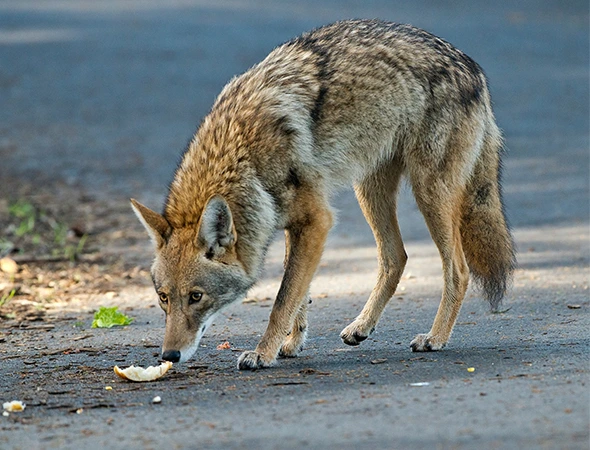
Houston offers plenty of places where wildlife can find food, water, and shelter. Trees, green spaces, drainage areas, and residential neighbourhoods can create attractive habitats for animals. Sometimes, however, wildlife moves beyond outdoor areas and enters homes. Attics, crawl spaces, garages, and roof spaces can provide warm and protected places to nest.
Once an animal enters a property, the problem can become more complicated. Scratching sounds may come from an attic. Chewed materials may appear around the roofline. Droppings may indicate activity in hidden spaces. These signs should not be ignored because wildlife can cause property damage when it remains inside.
Understanding how these problems develop can help homeowners respond appropriately. Professional services can identify the animal, locate access points, remove the intruder, and address conditions that may encourage another entry. AJ Pest Control Services provides pest and animal control support for properties dealing with unwanted wildlife in the Houston area.
Why Wildlife Enters Residential Properties
Animals usually enter buildings for practical reasons. A home can provide protection from weather, predators, and other environmental pressures. Attics can also offer quiet nesting spaces. Food waste, bird feeders, gardens, pet food, and accessible rubbish can further attract animals around residential properties.
Small openings can become entry routes. Damaged vents, loose soffits, roof gaps, and other structural openings may give wildlife access to concealed areas. Once an animal discovers a reliable shelter, it may continue returning to the same location.
Houston’s urban environment creates many opportunities for wildlife to live close to people. Local wildlife services commonly deal with animals such as squirrels, raccoons, opossums, birds, and other nuisance species.
The First Signs Are Often Easy to Miss
Wildlife activity does not always begin with obvious damage. Homeowners may first notice unfamiliar sounds. Scratching, scurrying, or movement above a ceiling can indicate activity inside an attic or wall space.
Daytime noises can sometimes provide useful clues when squirrels are involved. Squirrels are active during daylight hours, so movement during mornings or afternoons may warrant further investigation. Chewed openings around fascia boards, soffits, or roof vents can also indicate squirrel activity.
Other warning signs include nesting materials, droppings, damaged insulation, unusual smells, and visible entry holes. Finding one sign does not always identify the exact animal. A professional inspection can help determine what is actually happening.
Why Attic Wildlife Can Become a Property Concern
An attic may seem like an isolated part of the home. However, animals can affect several parts of a building while nesting there. They may disturb insulation, damage stored materials, chew structural components, or create contamination that requires cleaning.
Electrical wiring deserves particular attention. Squirrels are known to chew materials and can damage wiring when they gain access to attic spaces. Local wildlife specialists identify damaged wiring as a potential fire concern.
Wildlife can also leave nesting materials and waste behind. Removing the animal does not necessarily resolve every consequence of an intrusion. Depending on the situation, the affected area may require additional cleaning or repairs.
Why Sealing the Hole First Can Cause Problems
Finding an opening may create an immediate temptation to seal it. That approach can create problems if an animal is still inside. The animal may attempt to escape through another part of the structure and cause additional damage.
There may also be dependent young inside a nest. Sealing an entrance without checking the space can separate young animals from the adult. Wildlife professionals therefore inspect the area before completing exclusion work. Some Houston wildlife services specifically emphasise checking for animals and dependent young before closing access points.
The better approach involves identifying the active entry point and understanding what is happening inside first. Removal and exclusion should work together rather than treating the visible hole as the entire problem.
What Professional Wildlife Removal Usually Involves
A professional response generally starts with an inspection. The technician looks for evidence of animal activity and examines likely entry points. The inspection can also help distinguish between different species because each animal behaves differently.
The next step depends on what the inspection finds. Removal methods should account for the animal involved, its location, and the circumstances surrounding the intrusion. After removal, professionals may recommend exclusion work to reduce the chance of another animal entering through the same opening.
This layered approach matters because simply removing one animal may not solve the underlying access problem. Wildlife services in Houston commonly combine inspection, removal, and exclusion as part of their overall approach.
Squirrels Require Particular Attention
Squirrels can become persistent property intruders because they can move through rooflines and small openings. Once inside an attic, they may establish nests and continue using the area for shelter.
Homeowners may hear movement across ceilings or notice activity around the roof. Freshly chewed openings can also provide an important clue. Squirrel activity can become more concerning when the animals reach electrical wiring or insulation.
A professional inspection can determine whether squirrels are still inside and where they are entering. The process can then address both the immediate animal problem and the access point that allowed the intrusion.
Understanding the Difference Between Wildlife and Ordinary Pest Problems
Not every unwanted animal should be handled in the same way. Traditional pest control often focuses on insects and common household pests. Wildlife control involves larger animals that may behave differently and require different handling.
A squirrel in an attic presents different considerations from ants in a kitchen. A raccoon near a roofline creates different concerns from cockroaches inside a pantry. Identifying the species helps determine an appropriate response.
This distinction also matters for safety. Attempting to capture unfamiliar wildlife can expose homeowners to bites, scratches, contamination, or other hazards. Professional assistance can reduce unnecessary contact with the animal.
Prevention Starts With the Property
Wildlife prevention does not depend only on removing animals. Property conditions can influence whether animals return. Homeowners can inspect rooflines, vents, soffits, screens, and other areas for possible openings.
Outdoor food sources also deserve attention. Pet food should not remain outside unnecessarily. Rubbish should stay properly secured. Fallen fruit and other accessible food sources can also attract animals.
Trees and vegetation may provide animals with convenient routes towards roofs. Keeping vegetation appropriately managed can make some access points less attractive. These measures cannot guarantee that wildlife will never approach a property, but they can reduce opportunities for entry.
Why Recurring Wildlife Problems Need More Attention
A recurring problem usually suggests that something remains unresolved. The same animal may continue entering through an accessible opening. Alternatively, a different animal may discover the same shelter.
Repeated scratching sounds or recurring attic activity therefore deserve investigation. Waiting can allow damage to accumulate. An animal may also establish a nest, making the situation more complicated.
Professional wildlife removal in Houston TX can help homeowners understand whether an active animal remains inside and whether the property has vulnerable entry points. The focus should extend beyond removing the immediate nuisance.
When Squirrel Activity Should Not Be Ignored
Squirrel activity can appear harmless when it occurs outside. The situation changes when squirrels enter the structure. Daytime scratching, movement above ceilings, damaged roof materials, or visible openings can indicate that further inspection is necessary.
Homeowners should avoid disturbing an animal directly. They should also avoid blocking an opening before determining whether the animal has fully left. Professional wildlife specialists often inspect both interior and exterior areas before deciding how to proceed.
Squirrel removal in Houston TX should therefore focus on more than catching an animal. The underlying access point also needs attention. Otherwise, another squirrel may eventually discover the same route.
Choosing the Right Wildlife Service
Choosing a wildlife service involves more than looking for the quickest appointment. Homeowners should consider whether the provider understands the animal involved and whether the service addresses both removal and prevention.
It can also help to ask what the inspection covers. A thorough process should consider where the animal entered, where it may be nesting, and whether the structure shows signs of damage.
Clear communication also matters. Homeowners should understand what work is recommended and why. This helps prevent unnecessary treatment and makes the service easier to evaluate.
How AJ Pest Control Services Can Help
AJ Pest Control Services offers pest and animal control support for Houston properties. The company can help homeowners dealing with unwanted wildlife activity and concerns around animal entry.
The right response depends on the animal, the location, and the condition of the property. An inspection can help establish what is happening before removal or exclusion work begins. This allows the service to focus on the actual problem rather than simply treating visible symptoms.
For homeowners dealing with unusual attic noises, damaged roof areas, or suspected animal activity, professional assistance can provide a clearer path forward. Addressing the issue early can also help limit the opportunity for further property damage.
Frequently Asked Questions
How can I tell if wildlife is inside my attic?
Unusual scratching, scurrying, movement, droppings, nesting materials, or damaged insulation can indicate wildlife activity. Daytime movement may suggest squirrels, although sound alone cannot confirm the species. A professional inspection can provide a more reliable identification.
Should I remove an animal myself?
Handling unfamiliar wildlife can create unnecessary safety risks. Animals may bite or scratch when frightened. Professional wildlife technicians have experience identifying animal behaviour and selecting appropriate removal methods.
Can wildlife return after removal?
Yes, particularly when an accessible entry point remains. Exclusion work can help reduce the likelihood of another animal entering through the same opening. Property maintenance can also reduce attractive food and shelter conditions.
Why are squirrels attracted to attics?
Attics can provide shelter, warmth, and protection from outdoor conditions. Small openings around rooflines, vents, soffits, and fascia can provide access. Once squirrels find a suitable location, they may continue using it.
Does removing the animal solve the whole problem?
Not always. The animal may have damaged insulation, wiring, or other materials. The entry point may also remain open. A complete response should consider both the animal and the conditions that allowed it to enter.
Keeping Wildlife Outside Where It Belongs
Wildlife plays an important role in Houston’s environment, but animals inside a home create a different situation. An attic or wall cavity can become a shelter that exposes the property to damage and creates safety concerns.
The most effective response starts with understanding the problem. Identifying the animal, locating its access point, and considering the condition of the affected area can help determine the next step. Professional support can also reduce the risks associated with handling wildlife directly.
When homeowners need Wildlife Removal in Houston TX, an inspection can help identify the cause and scope of the intrusion. For properties experiencing persistent squirrel activity, Squirrel Removal in Houston TX can address the immediate issue while also considering how the animal gained access. AJ Pest Control Services can help homeowners take a more informed approach to unwanted wildlife around their property.