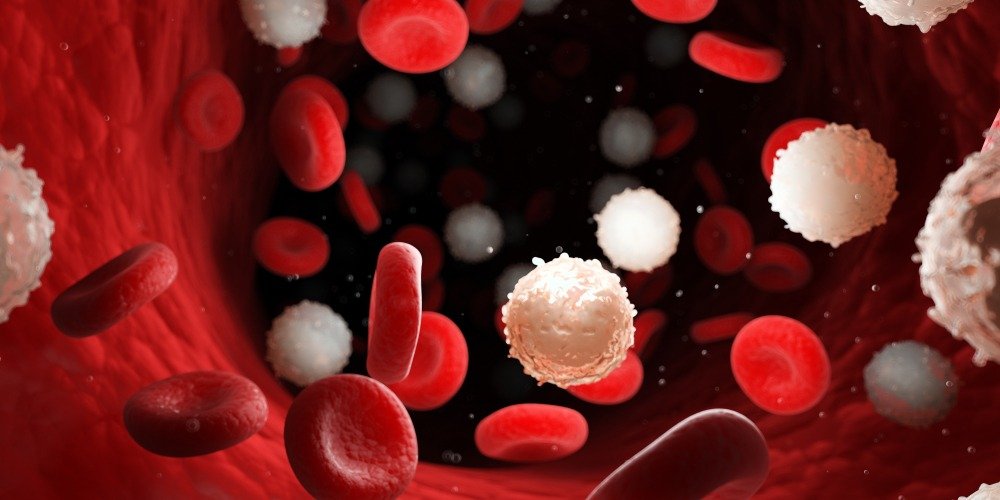
Anemia can develop for different reasons, and nutritional factors are often an important part of understanding a person’s overall health and blood profile. During a medical consultation, a doctor may review eating habits, nutrient intake, previous blood test results, lifestyle factors, and relevant medical history to understand whether nutritional factors could be contributing to low haemoglobin or changes in red blood cells.
For people looking for Anemia Dubai services, a consultation provides an opportunity to discuss symptoms, dietary patterns, previous diagnoses, and any known nutritional deficiencies with a qualified doctor. Dr. Barbara can consider these details alongside clinical assessment and appropriate laboratory investigations when developing an individualised approach.
Understanding how nutrition is evaluated can help patients prepare useful information before their appointment and have a clearer discussion about their health.
Understanding the Relationship Between Nutrition and Anemia
Red blood cells require several nutrients to develop and function normally. Iron is one of the most widely recognised nutrients associated with anemia because it contributes to haemoglobin production. However, other nutritional factors can also be relevant when assessing a person’s blood health.
Vitamin B12 and folate are important for normal red blood cell formation. Adequate protein intake also contributes to the body’s ability to produce blood cells and maintain general nutritional health.
During an anemia consultation, the doctor may therefore consider the overall dietary pattern rather than focusing on one individual nutrient. This helps create a broader picture of nutritional status and may guide decisions about whether additional testing is appropriate.
Reviewing the Patient’s Dietary Pattern
One of the first nutritional factors considered during consultation may be the patient’s usual diet. Rather than simply asking whether someone eats healthy foods, the doctor may explore the types and frequency of foods included in everyday meals.
The discussion may include:
- Frequency of meat, fish, eggs, and dairy consumption
- Intake of beans, lentils, and other plant-based protein sources
- Consumption of leafy green vegetables
- Intake of fortified cereals or other fortified foods
- Variety of fruits and vegetables
- Overall meal patterns
- Dietary restrictions or exclusions
This information can help the doctor identify areas that may warrant closer consideration.
For example, someone following a highly restrictive diet may have different nutritional considerations from someone who consumes a wide variety of foods. The purpose of the consultation is not to judge dietary choices but to understand how they relate to the individual’s health information.
Considering Iron Intake
Iron is a major nutritional factor in many anemia assessments. The body uses iron to produce haemoglobin, the protein in red blood cells responsible for carrying oxygen.
During a consultation, a doctor may ask about foods that provide iron and how regularly they are consumed. These can include meat, poultry, seafood, legumes, beans, lentils, leafy green vegetables, nuts, seeds, and fortified foods.
The doctor may also consider the overall dietary pattern rather than assuming that low dietary iron is automatically responsible for anemia.
Blood tests can provide additional information. Depending on the patient’s circumstances, a doctor may consider haemoglobin and other blood count measurements alongside iron-related laboratory markers.
Evaluating Vitamin B12 and Folate Intake
Vitamin B12 and folate are also important when nutritional factors are being assessed.
Vitamin B12 is found naturally in foods such as meat, fish, eggs, and dairy products, while some foods may be fortified with B12. Folate is present in foods including leafy green vegetables, legumes, and certain fortified products.
During a consultation, the doctor may ask about the patient’s usual intake of these foods and whether there are dietary restrictions that could affect nutrient consumption.
Laboratory testing may be considered when the medical history and blood results indicate that further evaluation would be useful. This can help distinguish different nutritional considerations rather than assuming that every case of anemia has the same cause.
Asking About Vegetarian and Vegan Diets
Dietary preferences can be particularly relevant when assessing nutritional factors. People who follow vegetarian or vegan diets may have different sources of iron, vitamin B12, protein, and other nutrients compared with people who consume animal products.
A doctor may therefore ask which foods are regularly included and whether fortified foods or supplements are part of the person’s routine.
This does not mean that a vegetarian or vegan diet automatically causes anemia. Instead, understanding the specific dietary pattern allows the doctor to consider whether certain nutrients deserve further attention based on the individual’s medical history and laboratory findings.
Reviewing Previous Blood Test Results
Nutritional assessment is generally more useful when considered alongside objective medical information.
Patients may be asked whether they have had previous blood tests and whether they have ever been told that they had low haemoglobin, low iron, vitamin B12 deficiency, or folate deficiency.
Previous laboratory results can help a doctor identify whether blood changes are new, persistent, or previously investigated.
If older results are available, bringing them to the consultation can make the discussion more informative. The doctor can compare relevant findings with newer results when appropriate.
Discussing Symptoms and General Health
Although nutrition is an important consideration, an anemia consultation usually involves a broader discussion of the patient’s health.
The doctor may ask about symptoms such as tiredness, reduced energy, headaches, dizziness, or changes in exercise tolerance. These symptoms can have many possible explanations, so they need to be considered alongside medical history and test results.
The consultation may also cover appetite, changes in eating habits, recent dietary changes, and general wellbeing.
This broader assessment helps ensure that nutritional information is considered in the appropriate clinical context.
Considering Digestive and Dietary History
The doctor may also ask questions about digestive health because eating patterns and nutrient absorption can both be relevant to nutritional assessment.
The discussion could include changes in appetite, digestive symptoms, previous gastrointestinal conditions, or dietary changes over time.
A patient’s medical history may provide additional context for interpreting blood results. This is why a consultation usually considers more than simply the number of iron-rich foods a person consumes.
Reviewing Supplements and Fortified Foods
Patients should tell the doctor about vitamins, minerals, nutritional products, and other supplements they currently use.
This includes products containing iron, vitamin B12, folate, or multivitamins. Fortified foods can also contribute to nutrient intake and may be relevant when reviewing the overall dietary pattern.
Providing accurate information about supplements helps the doctor understand the patient’s complete nutritional picture and interpret laboratory findings appropriately.
Patients should not assume that taking a supplement means further evaluation is unnecessary. The decision to investigate or manage a nutritional factor depends on individual circumstances and clinical findings.
Considering Meal Patterns and Lifestyle
The timing and structure of meals may also be discussed during a nutritional assessment.
Some people regularly skip meals because of work schedules, travel, busy lifestyles, or personal preferences. Others may have irregular eating patterns or follow specific dietary routines.
A doctor may ask how often meals are consumed and whether the patient has experienced recent changes in appetite or food intake.
Lifestyle information can help place nutritional intake into context and may contribute to a more practical discussion about maintaining a balanced diet.
Looking at Nutritional Factors Alongside Medical History
Anemia should not be assessed through nutrition alone. A complete consultation considers relevant medical information, previous diagnoses, medications, family history, and laboratory findings.
The doctor may ask about previous anemia, menstrual history where relevant, pregnancy, chronic health conditions, previous medical procedures, and other factors that could influence blood results.
This information allows nutritional factors to be interpreted as one part of a broader medical assessment.
What Blood Tests May Be Discussed?
Laboratory investigations can help provide objective information about the patient’s blood health.
Depending on the clinical situation, a doctor may consider a complete blood count and tests related to iron status, vitamin B12, folate, or other nutritional markers.
The exact tests are not necessarily the same for every patient. The doctor can determine which investigations are appropriate based on symptoms, medical history, previous results, and findings during consultation.
Understanding these results can also help explain why nutritional factors are being discussed and whether further assessment is appropriate.
Preparing for an Anemia Consultation in Dubai
Patients can make their consultation more productive by preparing relevant information in advance.
Useful information may include:
- Recent blood test reports
- Previous anemia-related test results
- A list of current medications
- Vitamin and mineral supplements
- Details of dietary restrictions
- Typical daily meals
- Recent changes in eating habits
- Previous diagnoses related to nutrition
- Relevant family medical history
Writing down questions before the appointment can also help ensure important concerns are discussed.
For individuals searching for Anemia Dubai, having this information available can support a more detailed conversation with the doctor.
Understanding Anemia Cost in Dubai
The Anemia Cost in Dubai can depend on the type of medical consultation, investigations required, and the extent of assessment recommended.
An initial consultation may involve reviewing symptoms, medical history, diet, previous blood tests, and other relevant information. If laboratory investigations are considered necessary, these may contribute separately to the overall cost.
Because each patient’s assessment can be different, discussing the expected consultation and investigation requirements with the clinic can provide more relevant information about potential costs.
Why Personalised Nutritional Assessment Matters
Nutritional factors can vary considerably between individuals. Two people with similar haemoglobin results may have different dietary habits, medical histories, or nutritional considerations.
A personalised consultation allows the doctor to consider these differences rather than relying on a general dietary assumption.
At Dr. Barbara, nutritional information can be reviewed alongside clinical history and appropriate investigations to develop a clearer understanding of the patient’s individual health situation.
Follow-Up After Nutritional Assessment
Follow-up can be useful when blood tests identify nutritional factors that require further review or when previous results need to be monitored over time.
During follow-up, the doctor may review changes in symptoms, dietary patterns, laboratory results, and any recommendations previously discussed.
The timing of follow-up depends on the individual’s circumstances and the type of assessment undertaken.
Regular communication can also help patients understand their results and maintain an informed approach to their nutritional health.
Conclusion
Nutritional factors can form an important part of an anemia consultation, particularly when reviewing dietary intake, iron sources, vitamin B12, folate, supplements, and previous blood test results. However, nutrition is considered alongside medical history, symptoms, lifestyle information, and appropriate laboratory investigations rather than in isolation.
For people seeking Anemia Dubai, discussing their usual diet, dietary restrictions, supplements, and previous medical information can help make the consultation more informative. Dr. Barbara can use these details as part of a broader assessment and determine whether additional investigations or follow-up are appropriate.
Understanding the relationship between nutrition and blood health can also help patients participate more actively in discussions about their individual healthcare needs.
Frequently Asked Questions
What nutritional factors are considered during an anemia consultation?
A doctor may review iron, vitamin B12, folate, protein intake, dietary variety, meal patterns, supplements, and dietary restrictions alongside medical history and blood test results.
Is iron the only nutrient considered when assessing anemia?
No. Iron is an important consideration, but vitamin B12 and folate may also be relevant. The appropriate nutritional factors depend on the individual’s symptoms, diet, medical history, and laboratory findings.
Does a vegetarian diet cause anemia?
Not necessarily. Vegetarian diets can provide many nutrients needed for good health. During an assessment, the doctor may review the individual’s actual dietary pattern to determine whether specific nutrients require further consideration.
What should I bring to an anemia consultation?
Patients can bring recent blood test reports, previous medical records, medication lists, supplement details, and information about dietary restrictions or significant changes in eating habits.
Can vitamin B12 and folate be assessed during an anemia evaluation?
Depending on the patient’s circumstances, a doctor may recommend laboratory testing for vitamin B12 and folate when these nutrients are relevant to the clinical assessment.
Why does a doctor ask about supplements?
Supplements can contribute nutrients such as iron, vitamin B12, and folate. Knowing which supplements a patient takes helps the doctor understand the complete nutritional picture.
Are previous blood tests useful during an anemia consultation?
Yes. Previous results can provide useful information about changes over time and help the doctor compare current findings with earlier blood test results.
How does diet history help with anemia assessment?
A diet history provides information about the foods and nutrients a person regularly consumes. This can help the doctor determine whether nutritional factors should be considered alongside other clinical information.
What is included in an anemia consultation at Dr. Barbara?
An assessment may include discussion of symptoms, medical history, dietary habits, supplements, previous blood results, and other relevant health information. Appropriate laboratory investigations may also be considered.
How much does anemia assessment cost in Dubai?
The Anemia Cost in Dubai can vary depending on the consultation and any investigations required. Patients can contact the clinic to understand the expected services and associated costs for their individual assessment.