Keeping Businesses Comfortable and Productive: A Practical Guide to Commercial HVAC Services for Property Owners and Facility Managers
Walk into an office on a sweltering afternoon and find the air conditioning down, and you quickly realise how much a business depends on its climate control. Employees lose focus, customers leave sooner, and sensitive equipment can overheat. Restaurants, retail stores, warehouses, clinics, and schools all rely on systems that are larger and more complex than anything found in a home. Understanding how commercial HVAC services work helps owners and managers protect their buildings, budgets, and the people inside them.
How Commercial Systems Differ From Residential Ones
Commercial heating, ventilation, and air conditioning equipment is built for scale. Many buildings use rooftop packaged units, chillers, boilers, cooling towers, or variable refrigerant flow systems that serve dozens of zones at once. These setups often connect to building automation software that controls temperature, airflow, and schedules across multiple floors. Because of their size and complexity, they require technicians trained specifically in commercial equipment, controls, and safety procedures.
The Core Services Businesses Rely On
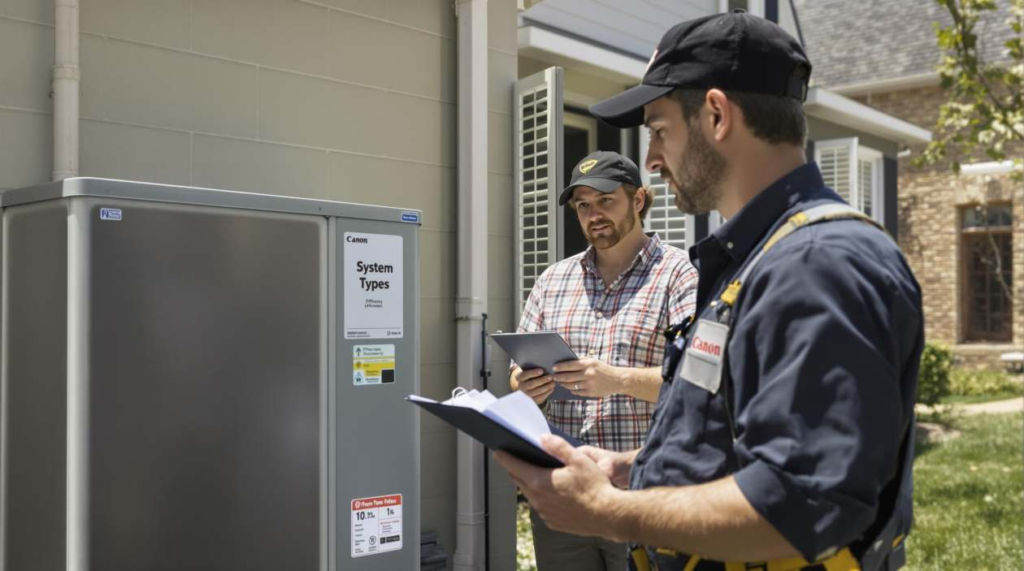
Most commercial HVAC services fall into a few main categories. Installation covers new systems for construction projects, expansions, or tenant fit-outs. Repair work addresses breakdowns, from failed compressors to faulty sensors. Preventive maintenance involves scheduled inspections, cleaning, and adjustments that keep equipment running efficiently. Many providers also offer system upgrades, indoor air quality improvements, and energy audits that identify where a building is wasting power.
Why Preventive Maintenance Pays Off
Waiting until something breaks is usually the most expensive approach. A planned maintenance programme typically includes filter changes, coil cleaning, belt and motor checks, refrigerant level testing, and calibration of thermostats and controls. These visits catch small problems before they turn into emergencies during peak season. Well-maintained equipment also uses less energy, lasts longer, and is less likely to disrupt business operations at the worst moment.
Indoor Air Quality and Occupant Health
Heating and cooling are only part of the picture. Ventilation plays a major role in how healthy and comfortable a building feels. Poor airflow can lead to stuffy rooms, lingering odours, and higher levels of dust and airborne particles. Modern commercial HVAC services often include upgraded filtration, fresh air balancing, humidity control, and duct cleaning. For offices, schools, and healthcare facilities, these improvements can support better concentration and fewer complaints from occupants.
Managing Energy Costs
Heating and cooling frequently account for a large share of a commercial building’s energy bill. Simple steps such as programmable scheduling, zoning unused areas, and sealing leaky ductwork can bring noticeable savings. Larger upgrades, like high-efficiency rooftop units or variable speed drives on fans and pumps, often recover their cost over time through lower utility bills. An energy audit provides a clear starting point for deciding which improvements make the most sense.
Choosing a Reliable Service Partner
When evaluating providers, look for proper licensing, insurance, and technicians experienced with your specific equipment type. Ask about emergency response times, since a failure on a busy weekend cannot wait until Monday. Clear service agreements should outline visit frequency, covered tasks, parts pricing, and reporting. Detailed records of each visit help managers track equipment condition and plan future budgets.
Final Thoughts
A commercial building’s comfort system supports productivity, customer experience, and even regulatory compliance. Neglecting it invites costly downtime, while careful planning keeps operations running smoothly. By investing in consistent commercial HVAC services, businesses protect both their equipment and the people who depend on it every day. Thoughtfully managed commercial HVAC services turn heating and cooling from a recurring headache into a dependable, well-controlled part of daily operations.