Anne Arundel County covers a lot of different properties, from waterfront homes on the Severn and South rivers to wooded lots, suburban neighborhoods, and larger rural parcels. Each one asks for a different approach to the yard. Good landscape design looks at the land first and then builds a plan around it. Landscape Design in Anne Arundel County MD works best when it fits the property type, handles rain and soil, and suits the way you live. This article covers how to match a design to your lot, front yard and backyard ideas, plants and privacy, stormwater, and how to work with a designer from the first meeting to the finished yard.
Landscape design for Anne Arundel County homes
A landscape design is a plan for the whole property, not a shopping list of plants. It decides where paths, patios, beds, lawns, and trees go, and it shows how they connect. The climate here brings humid summers, cool winters, and plenty of rain, and the soil can range from sandy to clay-heavy depending on the lot. Deer are common in many neighborhoods, which affects plant choices. A good design takes these conditions into account so the yard looks good and stays healthy without constant rescue work. It also gives you a roadmap for building in stages, which helps when budgets or schedules are tight. Homeowners often find that a plan saves money by preventing impulse purchases that do not fit.
Matching the design to your property type
Landscape Design in Anne Arundel County MD looks different depending on the lot. Waterfront properties deal with wind, salt spray, erosion, and views that deserve protection, so designers often use hardy plants and buffer plantings near the shoreline. Wooded lots bring shade, roots, and leaf litter, which call for shade-tolerant plants and careful placement of paths and patios. Suburban lots usually need privacy, smart use of limited space, and attention to drainage and neighborhood rules. Larger parcels allow separate zones, meadow areas, long driveways with plantings, and windbreaks. Knowing your lot type helps you tell a designer what you need. Walk the property at different times of day and note where it is sunny, shady, wet, or exposed, and share those notes in your first meeting.
Front yard design and curb appeal
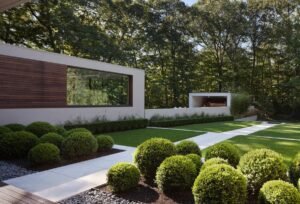
The front yard sets the first impression. A clear path to the door, welcoming steps, and good lighting make a home feel inviting. Foundation plantings soften the edge of the house, and the best ones are sized for their mature height so they do not cover windows in a few years. Layered beds with a mix of shrubs, perennials, and groundcovers give color across seasons. A tree or two can frame the house and provide shade, as long as they are placed away from utilities and rooflines. Fresh mulch and clean bed edges make everything look cared for. Keep the design in scale with the house, and avoid overcrowding. A simple, well-planned front yard often looks better than a busy one and needs less upkeep.
Backyard living zones
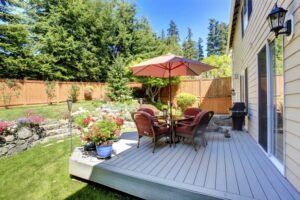
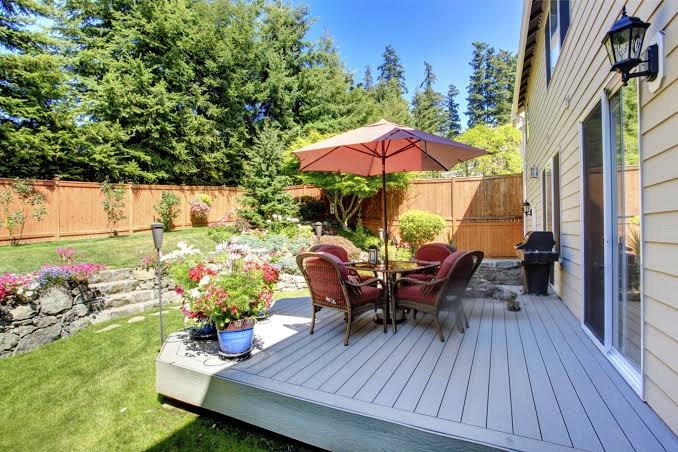
Backyards work best when they are divided into zones with a clear purpose. A dining area near the kitchen makes cookouts easy, while a lounge or fire pit area farther out gives people a place to relax. Families may want open lawn for play, and gardeners may want raised beds or a cutting garden. Utility areas for trash cans, compost, or tools can be tucked behind screening. Paths link the zones and make the yard easy to move through. Shade from trees, pergolas, or sails makes summer afternoons more comfortable. Lighting extends the use of the space into the evening. A designer thinks about how people will actually move and gather, which helps the yard feel natural, not forced.
Plants, privacy, and stormwater
Plant choices shape both the look and the health of a landscape. Native plants tend to suit local conditions and support birds and pollinators, and many need less water and fertilizer once established. For privacy, layered screens of evergreen and deciduous plants look more natural than a single row. Deer can damage many plants, so designers often choose resistant varieties or add protection for key beds. Stormwater is a big issue in the county, since runoff can carry soil and nutrients toward creeks and the Bay. Landscape Design in Anne Arundel County MD often includes rain gardens, swales, permeable paving, and mulched beds that slow water and let it soak in. Reducing the size of the lawn and planting deep-rooted shrubs and perennials also helps manage runoff.
Working with a designer
A smooth project starts with clear communication. Share how you use the yard, your budget, and any problems you want solved. A good designer will visit the site, take measurements, and ask about your style and maintenance preferences. When you compare options for Landscape Design in Anne Arundel County MD, ask to see a portfolio and look for projects with conditions like yours. Luxe Landscaping can walk your property, listen to your goals, and talk through design ideas. Ask about permits, homeowners association review, and any county or Critical Area rules that may apply. Ask how the design can be phased and what ongoing care it will need. A written scope and estimate help you compare proposals, and a designer who explains choices clearly is easier to work with.
Conclusion
A thoughtful landscape design makes a property more beautiful, more useful, and easier to care for. It starts with understanding your lot, your climate, and how you want to live outdoors. As you consider Landscape Design in Anne Arundel County MD, think about your priorities, from privacy and curb appeal to stormwater and low maintenance. Luxe Landscaping can help you turn those priorities into a plan that fits your property and budget. Take your time with the early decisions, and build in stages if needed. A design that suits your land and your lifestyle gives you a yard you will enjoy for many years.