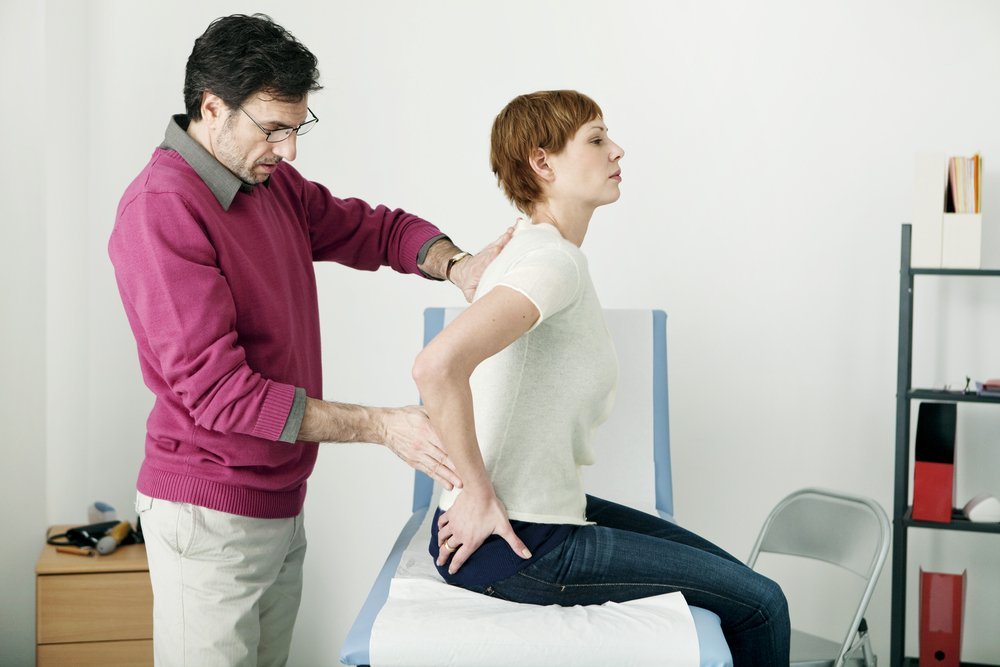
Sciatica can make everyday activities uncomfortable, from sitting at work to walking around your neighborhood. Pain that travels from the lower back into the hip or leg may also affect sleep, exercise, and your ability to enjoy daily routines. Physical therapy for sciatica in Loveland, CO, can help address movement limitations through an individualized treatment plan based on your symptoms and physical needs.
Working with a physical therapist for sciatica in Loveland gives you an opportunity to understand what may be contributing to your discomfort and which exercises or treatment methods could help. Rather than following the same routine as everyone else, personalized rehabilitation focuses on your mobility, strength, activity level, and recovery goals.
Understanding Your Sciatica Symptoms
Sciatica describes pain caused by irritation or compression involving the sciatic nerve or its nerve roots. Symptoms often affect one side of the body and may travel from the lower back through the buttock and down the leg. Some people experience tingling, numbness, burning sensations, or weakness alongside pain.
Why Symptoms Differ From Person to Person
The cause of sciatica can vary. A herniated disc, age related spinal changes, or other conditions may irritate the nerves responsible for sensation and movement in the leg. Symptoms can also change depending on posture, activity, and the underlying problem.
How an Assessment Helps
Physical therapy for sciatica in Loveland, CO, usually begins with questions about your symptoms, medical history, and daily activities. Your therapist may assess walking, strength, flexibility, sensation, and spinal movement to understand your limitations.
This evaluation helps guide treatment and identify signs that require medical assessment. New or worsening leg weakness, loss of bladder or bowel control, or numbness around the groin requires urgent medical attention. Identifying the right next step helps keep your recovery plan appropriate and safe.
Creating a Personalized Rehabilitation Plan
A personalized rehabilitation plan considers how sciatica affects your daily life. Someone who struggles to sit through a workday may need a different approach from a person who has difficulty walking, lifting, or returning to exercise.
Setting Practical Recovery Goals
Your therapist may help you establish goals such as walking farther, getting out of bed more comfortably, improving sitting tolerance, or returning to recreational activities. These goals provide a clear way to measure progress throughout treatment.
Choosing Appropriate Treatment Methods
Depending on your assessment, treatment may include gentle mobility exercises, strengthening activities, movement training, and advice on managing daily tasks. Some patients may benefit from manual therapy when it is appropriate for their condition.
Physical therapy for sciatica in Loveland, CO, should change as your symptoms and abilities improve. Your therapist can adjust exercises, activity levels, and treatment frequency based on your response.
The goal is not simply to reduce discomfort during appointments. It is to help you move with greater confidence and develop the strength and habits needed for everyday activities.
Using Therapeutic Exercises to Improve Mobility
Movement may feel difficult during a sciatica flare, but the right exercises can help you maintain function and gradually rebuild strength. Your therapist will select movements based on your symptoms rather than expecting you to push through pain.
Improving Flexibility and Movement Control
Depending on your condition, your exercise plan may include gentle back movements, hip mobility exercises, or carefully selected nerve movement exercises. These activities may help improve movement tolerance when performed correctly.
Not every stretch suits every person with sciatica. Some positions may increase leg pain or tingling, so your therapist should show you which movements are appropriate and when to stop.
Building Strength Gradually
Strengthening exercises may target the abdominal, hip, and leg muscles that support everyday movement. Better strength and control can make activities such as standing, climbing stairs, and walking feel more manageable.
Physical therapy for sciatica in Loveland, CO, often involves gradually increasing activity as your tolerance improves. Your therapist may track how far you can walk, how long you can sit comfortably, or how well you perform specific movements.
Consistent practice matters, but recovery does not require ignoring pain. Follow your prescribed routine and report any worsening symptoms so your plan can be adjusted.
Managing Daily Activities During Recovery
Your rehabilitation plan should work outside the clinic, too. Small changes to everyday habits may help you stay active while avoiding unnecessary strain during recovery.
Improving Sitting and Standing Habits
Long periods in one position may aggravate symptoms for some people. Try changing positions regularly, taking short movement breaks, and adjusting your workstation to support a comfortable posture.
When lifting objects, keep them close to your body and use controlled movements. Your therapist can show you practical techniques that fit your work and household responsibilities.
Returning to Activities Safely
Walking may be a useful starting point for many people, provided it does not significantly worsen their symptoms. Begin at a comfortable level and increase distance or duration gradually as advised.
Physical therapy for sciatica in Loveland, CO, can help you decide when to progress toward more demanding tasks, including exercise, yard work, or recreational sports. Your plan should reflect your current abilities rather than an arbitrary timeline.
If pain begins traveling farther down your leg, weakness develops, or symptoms become more severe, contact your healthcare provider for guidance. Adjusting activity early can help you avoid setbacks and determine whether further evaluation is needed.
Tracking Progress and Supporting Long Term Results
Sciatica recovery varies depending on the cause, symptom severity, and overall health. Some people improve within a few weeks, while others need a longer period of rehabilitation or additional medical care.
Reviewing Your Progress
Your therapist may reassess pain levels, strength, flexibility, walking ability, and daily function. These changes help show whether your treatment plan is working or needs modification.
Progress is not always a straight line. Temporary fluctuations can happen, but persistent worsening should be discussed with your provider.
Building Confidence Through Consistency
As symptoms improve, your therapist may introduce more challenging exercises and activities. Continuing appropriate movement and strength work can help maintain function after supervised visits end.
Physical therapy for sciatica in Loveland, CO, can also provide practical tools for managing future flare ups. Understanding which movements help, how to pace activities, and when to seek professional advice can make it easier to stay active.
Choose a provider who explains each step, listens to your concerns, and helps you understand what progress looks like for your individual condition.
Frequently Asked Questions
- Can physical therapy help relieve sciatica pain?
Physical therapy may help reduce symptoms and improve movement by addressing strength, mobility, and activity limitations. Results depend on the underlying cause.
- How long does sciatica rehabilitation take?
Recovery time varies. Your therapist can recommend a treatment schedule based on your symptoms, progress, and daily activity goals.
- Should I walk if I have sciatica?
Gentle walking may help some people stay active, but the right amount depends on your symptoms. Follow your provider’s guidance.
- What exercises are best for sciatica?
Suitable exercises may include gentle mobility work, strengthening, and selected nerve movement exercises. A therapist can help you choose movements that fit your condition.
- When should I seek medical care for sciatica?
Seek urgent care for new bladder or bowel control problems, numbness around the groin, or significant or rapidly worsening leg weakness.
Conclusion
Personalized rehabilitation can help you understand your sciatica symptoms, improve mobility, and work toward returning to the activities you enjoy. Physical therapy for sciatica in Loveland, CO, offers an approach built around your movement needs, strength, and recovery goals. Contact Northern Colorado Spine and Sport to discuss your symptoms, explore appropriate rehabilitation options, and schedule an appointment to start working toward more comfortable movement.