Jaw pain can make everyday activities surprisingly difficult. Chewing meals, speaking for long periods, yawning, and opening your mouth may become uncomfortable when the temporomandibular joint is not moving properly. TMJ physical therapy in Marietta can help address restricted jaw movement, muscle tension, and discomfort through guided exercises and hands on treatment. The goal is to improve jaw function while helping patients return to normal daily activities with greater comfort.
For people experiencing recurring jaw stiffness, clicking, or facial muscle soreness, temporomandibular joint therapy in Marietta offers an approach focused on movement and muscle function. A physical therapist can assess your symptoms and recommend appropriate techniques based on your needs, medical history, and response to treatment.
Understand How TMJ Problems Affect Jaw Movement
The temporomandibular joints connect your lower jaw to your skull and help you talk, chew, and open your mouth. Problems affecting these joints or nearby muscles are often called temporomandibular disorders, or TMD. Symptoms can range from mild stiffness to persistent pain that interferes with daily routines.
Recognize Common Symptoms
People with TMJ disorders may experience jaw soreness, facial tension, headaches, clicking sounds, or difficulty opening their mouths fully. Some also notice discomfort near the ears or fatigue while chewing.
TMJ physical therapy in Marietta begins with understanding these symptoms and identifying movements that cause discomfort. Clicking without pain is not always a sign of a serious problem, but painful clicking, locking, or restricted movement deserves professional assessment.
Identify Contributing Factors
Jaw symptoms may relate to clenching, teeth grinding, stress, muscle overuse, joint irritation, or changes in jaw movement. Several factors can contribute at once.
A physical therapist evaluates jaw mobility, muscle tenderness, posture, and movement patterns. This helps determine whether exercises, manual techniques, or referral to another healthcare professional may be appropriate.
Use Targeted Exercises to Improve Jaw Mobility
Gentle exercises can help improve coordination and control around the jaw. They may also reduce stiffness and make opening or closing the mouth more comfortable. Exercises should match your symptoms and should not force the joint beyond a comfortable range.
Practice Controlled Jaw Opening
A therapist may teach you to open your mouth slowly while keeping the jaw aligned rather than allowing it to shift to one side. Small, controlled movements can help improve coordination and awareness.
TMJ physical therapy in Marietta may include this type of exercise when it suits your condition. Your therapist can show you the correct technique, repetitions, and pace. Stop if an exercise causes sharp pain or noticeably worsens your symptoms.
Improve Jaw Control and Relaxation
Other exercises may focus on gentle jaw closing, relaxed resting positions, and controlled movement from side to side. The purpose is to develop smoother motion without unnecessary muscle effort.
Your therapist may also teach you to keep your teeth slightly apart when resting, unless instructed otherwise by your dental provider. Regular practice can help reinforce better movement habits throughout the day.
Reduce Muscle Tension With Manual Therapy
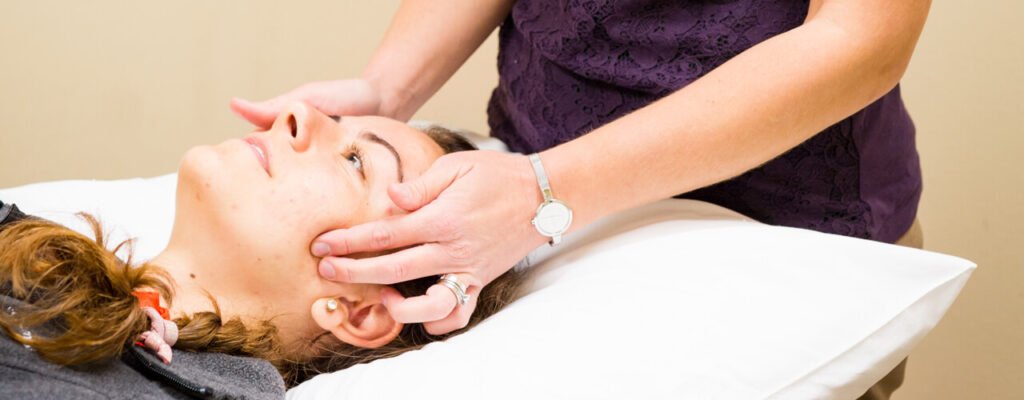
Muscles around the jaw, cheeks, temples, and neck can become tight when chewing or jaw movement is painful. Manual therapy uses specific hands on techniques to address muscle tenderness and movement restrictions when appropriate.
Address Tight Jaw Muscles
A trained physical therapist may use gentle soft tissue techniques around the jaw and nearby muscles. Depending on the assessment, treatment may focus on the masseter and temporalis muscles, which play important roles in chewing.
TMJ physical therapy in Marietta may combine these techniques with active exercises to support comfortable movement. Manual therapy should be performed by a qualified professional who understands the relevant anatomy and your medical needs.
Consider Neck and Posture Factors
Neck stiffness and sustained forward head posture can contribute to discomfort in some people with jaw symptoms. Your therapist may assess shoulder position, neck movement, and muscle tension as part of treatment.
When appropriate, gentle neck mobility exercises and posture guidance may complement jaw treatment. Manual therapy is not a guaranteed cure, but it can be a useful part of a broader plan that includes movement practice and home care.
Build Daily Habits That Support Jaw Comfort
Treatment does not end when an appointment finishes. Daily habits can influence how much stress your jaw experiences, especially if you frequently clench your teeth or chew hard foods.
Reduce Unnecessary Jaw Strain
During periods of discomfort, your healthcare provider may recommend temporarily choosing softer foods and avoiding gum chewing or very chewy meals. Try not to force wide yawns or repeatedly test how far your mouth can open.
TMJ physical therapy in Marietta can help you identify habits that may be aggravating your symptoms. Your therapist may also suggest relaxation strategies if stress contributes to clenching or muscle tension.
Follow Your Home Exercise Plan
Short, regular practice can help reinforce techniques learned during therapy. Follow the recommended schedule rather than adding extra repetitions in an effort to speed up recovery.
Notice whether certain activities trigger symptoms and discuss those patterns with your therapist. If jaw locking, swelling, severe pain, or a sudden change in your ability to open your mouth occurs, seek prompt medical or dental assessment.
Choose Professional Care for Long Term Improvement
Jaw discomfort can have several causes, so effective treatment begins with an accurate assessment. A physical therapist may review your symptoms, daily habits, jaw movement, muscle tenderness, and neck function before recommending care.
Set Practical Treatment Goals
Your goals may include opening your mouth more comfortably, eating a wider range of foods, speaking without fatigue, or reducing muscle soreness. Your therapist can track changes and adjust exercises as needed.
TMJ physical therapy in Marietta can provide structured support through guided jaw exercises, manual therapy, and movement education. Some patients may also benefit from coordination with a dentist or physician, particularly when teeth grinding, dental concerns, or persistent symptoms are involved.
Know When Additional Care Is Needed
Physical therapy may not be suitable as the only treatment for every jaw condition. Dental problems, infections, injuries, and other medical issues may require different care. A qualified provider can help you understand when further evaluation is appropriate.
Patients in Marietta and nearby communities should look for a provider who explains treatment options clearly, monitors progress, and respects their comfort during each session.
Frequently Asked Questions
- Can physical therapy improve TMJ jaw movement?
Yes. Appropriate jaw exercises and manual techniques may improve mobility, coordination, and muscle comfort for some people with temporomandibular disorders.
- How often should I perform TMJ exercises?
Follow the schedule recommended by your physical therapist. Exercise frequency depends on your symptoms, treatment goals, and response to movement.
- Does manual therapy help with jaw pain?
Manual therapy may reduce muscle tension and improve comfort in some patients. Results vary depending on the underlying cause of the symptoms.
- Can poor posture affect TMJ symptoms?
Neck tension and sustained head positioning may contribute to symptoms in some people. A therapist can assess whether posture and neck exercises may help.
- When should I seek TMJ physical therapy in Marietta?
Consider an evaluation if jaw pain, stiffness, or limited movement interferes with eating or speaking. Seek prompt medical or dental care for severe pain, swelling, or jaw locking.
Conclusion
Targeted exercises, appropriate manual therapy, and healthier daily habits can help some patients improve jaw movement and manage TMJ related discomfort. TMJ physical therapy in Marietta offers professional guidance for addressing stiffness, muscle tension, and difficulty with everyday activities. If jaw symptoms are affecting your comfort, FYZICAL Therapy and Balance Centers Marietta is a local option to contact about available physical therapy services and an initial evaluation. Call today to discuss your concerns and schedule an appointment.