If you’ve ever packed an item for delivery and wondered whether the box was too big, too small, or simply the wrong choice altogether, you’re not alone. Choosing the right postal box sounds straightforward until you’re standing over a parcel with tape in one hand and packing paper in the other.
The good news is that selecting the right packaging doesn’t have to be complicated. In most cases, it comes down to understanding what you’re sending, how far it’s travelling, and how much protection it needs along the way. A small book doesn’t need the same packaging as a fragile ornament, and a clothing order certainly doesn’t require the same level of protection as a box of electronics.
Getting the choice right helps prevent damage, keeps postage costs under control, and ensures the recipient receives their parcel in the condition you intended. That’s why understanding the different types of postal boxes and packaging materials can make a real difference.
What Exactly Are Postal Boxes?
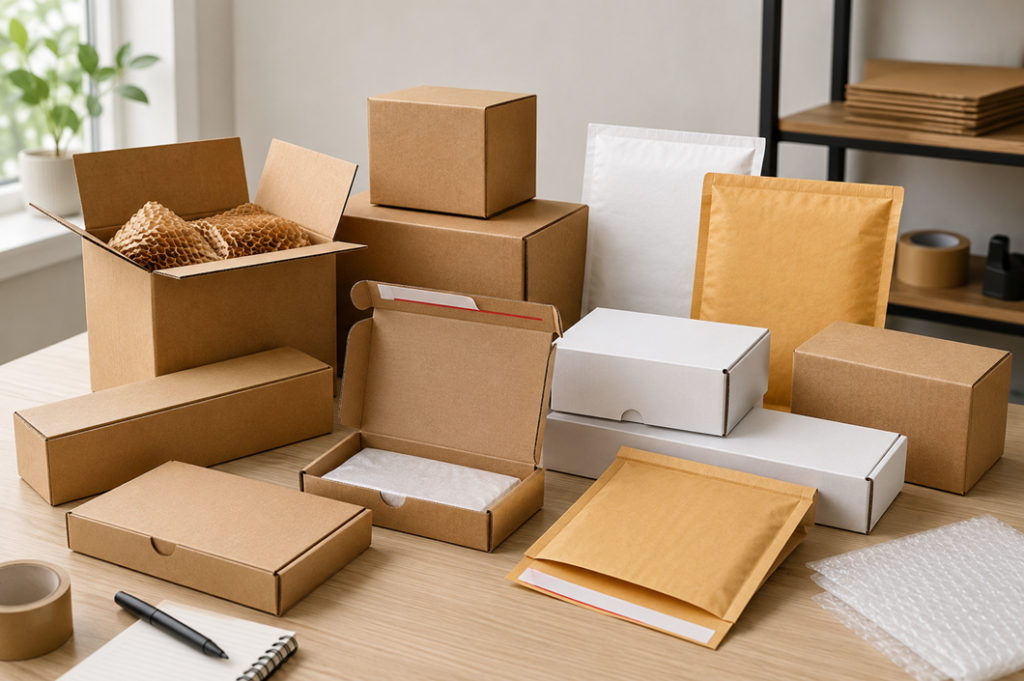
Postal boxes are packaging boxes designed specifically for mailing or courier delivery. Unlike ordinary storage boxes, they’re designed for transport. They need to cope with sorting centres, delivery vans, stacking, lifting, and all the bumps that come with moving parcels from one place to another.
Most are made from corrugated cardboard, which combines strength with surprisingly low weight. That’s one reason cardboard postal boxes have become such a popular choice for businesses and individual senders alike.
A good postal box should:
- Protect the contents from knocks and pressure
- Keep the item secure during transport
- Help avoid unnecessary shipping costs
- Create a neat and professional presentation
- Reduce the likelihood of returns caused by damage
Simple in theory, but choosing the right one depends on what you’re shipping.
The Most Common Types of Postal Boxes
Not every shipment needs the same packaging solution. Some products need maximum protection, while others need a sturdy outer layer.
Here’s a quick overview:
| Type of Box | Best Used For | Why People Choose It |
| Cardboard Postal Boxes | Clothing gifts, retail products | Lightweight and versatile |
| Envelope Boxes | Documents, prints, books | Slim and economical |
| Corrugated Shipping Boxes | Fragile goods and mixed orders | Strong protection |
| Double-Wall Boxes | Heavy products | Extra strength |
| Book Wrap Mailers | Books and printed materials | Secure fit |
| Die-Cut Mailing Boxes | Subscription boxes and presentation packaging | Professional appearance |
| Large Postal Boxes | Bulkier items | More Internal Space |
Why Do Different Boxes Do Different Jobs?
One of the biggest mistakes people make is assuming all cardboard boxes are basically the same. They may look similar at first glance, but their designs are intended for very different purposes.
Cardboard Postal Boxes
These are often the first choice for online sellers because they’re practical, affordable, and suitable for a huge variety of products.
They’re commonly used for:
- Clothing
- Cosmetics
- Home accessories
- Gifts
- Subscription products
They provide a good balance between protection and presentation, which is why they’re seen so often in e-commerce deliveries.
Envelope Boxes
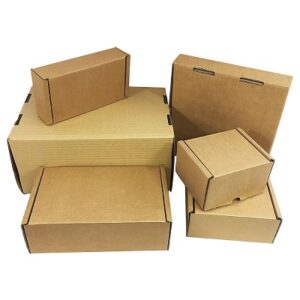
When an item is flat rather than bulky, envelope boxes can be a much smarter choice.
Think about:
- Documents
- Certificates
- Photographs
- Small books
- Printed materials
Because these boxes fit closely around the contents, there is less room for movement during transit.
Corrugated Postal Boxes
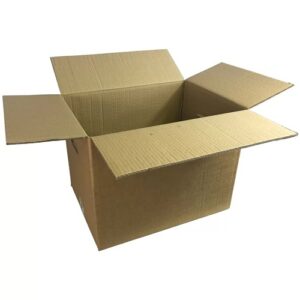
Some shipments need a little more protection than standard packaging can provide. Corrugated postal boxes are designed with a fluted inner layer that helps absorb impacts.
They’re particularly useful for:
- Glassware
- Kitchen items
- Electronics
- Collectables
- Multi-item orders
If you’re shipping something fragile, this type of box can provide valuable peace of mind.
Double-Wall Boxes
Heavy items place more stress on packaging than lighter products. That’s where double-wall boxes come into their own.
These are often chosen for:
- Industrial parts
- Tools
- Bulk orders
- Heavy equipment
The additional layer of corrugated board gives the box greater strength and resistance to crushing.
How to Choose the Right Postal Box
Rather than guessing, work through a few simple questions before packing.
Start With the Size
A box should fit the contents comfortably without leaving large empty spaces.
Too small, and the item may be squeezed.
Too large, and it can move around during transit.
As a general rule:
- Allow room for protective packaging
- Avoid excessive space
- Choose the closest practical fit
Consider the Weight
The heavier the item, the stronger the box needs to be.
For lightweight products, standard postal boxes are usually enough.
For heavier shipments, look at:
- Double-wall cardboard boxes
- Reinforced postal boxes
- Strong corrugated designs
Think About Fragility
A sturdy box is only part of the solution.
Delicate products often need extra protection, such as:
- Bubble wrap
- Packing paper
- Foam inserts
- Air cushions
The safest parcels combine strong outer packaging with suitable internal protection.
Don’t Overlook Packaging Materials
Even the best postal boxes can only do so much on their own.
Supporting packaging materials help absorb shocks and prevent items from shifting during transport.
Some popular options include:
- Bubble wrap for fragile products
- Kraft paper for filling gaps
- Foam sheets for electronics
- Paper cushioning for eco-conscious packaging
- Air pillows for lightweight protection
Think of the postal box as the shell and the packaging materials as the padding that protects what’s inside.
Final Thoughts
There isn’t one perfect postal box for every shipment. The right choice depends on what you’re sending and the journey it needs to make. Cardboard postal boxes work brilliantly for many everyday orders, envelope boxes are ideal for flat items, and stronger corrugated options offer extra protection when needed.
Taking a few minutes to match the box to the product can save a lot of hassle later. Parcels arrive in better condition, customers are happier, and you’re less likely to deal with damage claims or replacement costs. In the world of shipping, that’s time well spent.