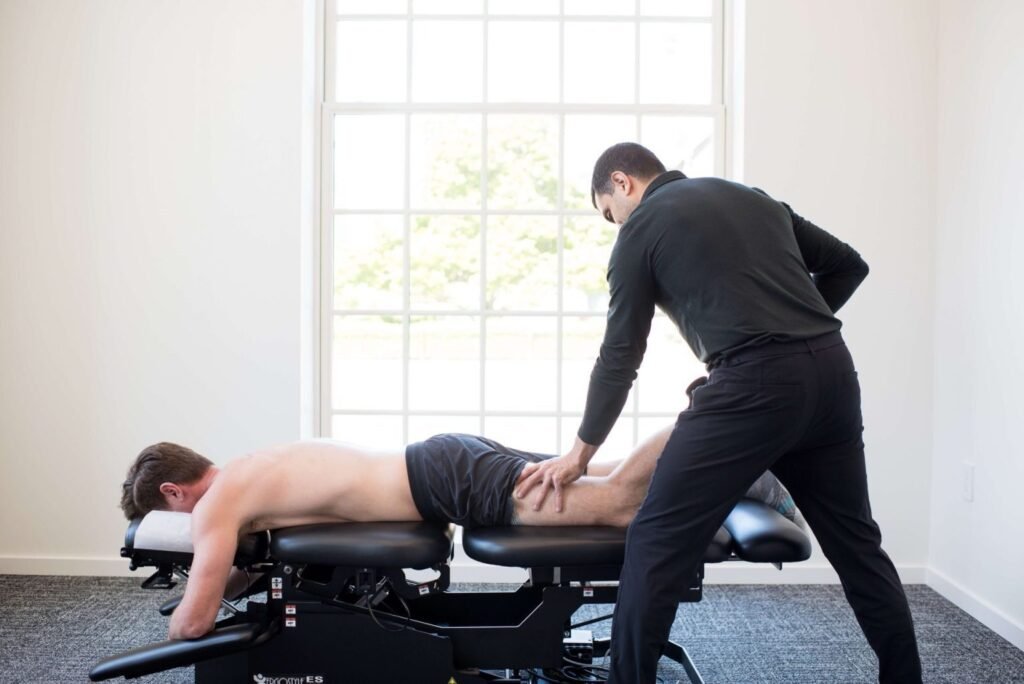
Dry needling is a technique employed by qualified healthcare professionals to address musculoskeletal issues and movement problems. Chiropractors (who wish to continue adding this technique) should take a dry needling certification weekend course to gain proper education and practical training.
However, certification requirements, scope of practice and permitted techniques are subject to location and professional licensing regulations. The chiropractors should confirm whether the course is relevant to their jurisdiction before enrolling.
What is a Dry Needling Certification Weekend Course?
A dry needling certification weekend course is a very intensive training program that brings to life the principles, techniques, safety considerations, and clinical applications of dry needling. Since the course takes place during the weekend, the curriculum often combines classroom and hands-on learning. Students might study anatomy, patient assessment, contraindications, precautions, needle-handling procedures, treatment techniques, and clinical decision-making.
The actual curriculum and certification requirements will depend on the educational provider and the regulations governing the participant’s profession and location.
What Can You Learn in the Course?
Anatomy and Clinical Assessment
Knowing anatomy is critical for safe needling. The training can include relevant muscles, trigger points, nerves, blood vessels and anatomical structures that practitioners should identify before performing a technique. Participants may also learn how assessment findings can help determine whether dry needling is appropriate for a particular patient.
Needling Techniques
Hands-on training can directly teach students to place the right needle in the correct location, depth, shape, position and technique. Practical training is especially important because it is a way to familiarize a newbie with equipment and techniques under the supervision of trained professionals.
Safety and Contraindications
Safety should be part of a dry needling certification weekend course. Training may include hygiene, infection control, precautions, contraindications, adverse reactions and when treatment should be avoided or modified.
When not to use a technique is just as important as knowing how to perform it!
Clinical Application
A good course must connect theoretical knowledge with real clinical situations. Participants may work with common musculoskeletal complaints and then understand how dry needling could fit within a wider treatment plan.
The goal of care should be responsible clinical decision-making rather than dry needling as a stand-alone solution.
How do I Choose the Right Weekend Course?
Before registering, read the course curriculum carefully. You must know who is eligible to enroll, what credentials are required, whether there is hands-on training and whether it is mandatory, and whether all documentation is provided after the course is completed.
Most importantly, verify that your course’s certification is approved for your profession. A certificate from a training provider is not in itself a way to expand a practitioner’s legal scope of practice.
You should also consider the instructor qualifications, class size, course practical training time, safety education, and post-course resources.
Is a Weekend Course Enough?
A weekend course can be a great source of concentrated foundational training, but in the end, a short program does not mean that a practitioner has mastered dry needling. There is still a strong need for continued education, supervised practice when appropriate, and professional compliance.
Build Skills Responsibly
A dry needling certification weekend course can be a convenient educational option for eligible chiropractors looking to get familiar with this technique. The right course is anatomy, assessment, hands-on instruction, safety and clinical application.
Before enrolling, check local regulations and professional requirements, research the course content, and select education that is safe and evidence-informed; it’s a skill to know what I have to learn.