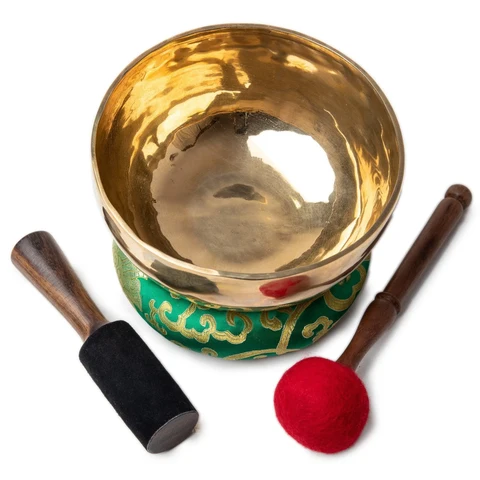
The growing interest in meditation, mindfulness, and traditional wellness practices has created new opportunities for businesses offering culturally significant sound instruments. For retailers, yoga studios, meditation centres, and wellness stores, selecting the right Tibetan singing bowls wholesale supplier is an important business decision. Beyond competitive pricing, buyers must consider product authenticity, craftsmanship, sound quality, supplier reliability, and consistency.
A dependable supplier can help businesses build a distinctive product collection while meeting the expectations of customers who appreciate traditional Himalayan instruments.
1. Understand the Importance of Product Authenticity
Authenticity is one of the most important considerations when sourcing traditional singing bowls. These instruments are valued for their cultural heritage, distinctive construction, and traditional metalworking techniques. However, not every product marketed as a Himalayan or Tibetan singing bowl follows the same manufacturing process.
Retailers should learn about the origin of the products, the materials used, and the methods involved in their production. Handcrafted bowls often display individual variations, including subtle differences in shape, finishing, and hammer marks. These characteristics can help communicate the artistic value of traditional craftsmanship.
Before finalising a supplier, ask about the artisans, production techniques, and product origins. Transparent information makes it easier to evaluate authenticity and provide customers with accurate product descriptions.
2. Evaluate Material Quality and Sound Characteristics
The quality of a singing bowl depends on several factors, including its construction, material composition, thickness, and overall finishing. These elements influence the instrument’s appearance, durability, and acoustic characteristics.
Retailers should pay attention to the following aspects:
- Material Composition: Understand the metals and alloys used in manufacturing the bowls.
- Construction: Examine the thickness, shape, and consistency of the product.
- Sound Quality: Evaluate tonal clarity, resonance, sustain, and variation between individual pieces.
- Finishing: Look for carefully finished surfaces without obvious manufacturing defects.
- Durability: Consider whether the instrument is suitable for regular use in meditation and wellness environments.
It is also useful to request sound samples or product demonstrations before placing a bulk order. Since handcrafted instruments may produce slightly different tones, evaluating individual samples can help retailers understand the range of products they are purchasing.
3. Compare Wholesale Pricing Without Compromising Quality
Pricing is an important factor when selecting a supplier, particularly for businesses purchasing products in larger quantities. However, choosing the lowest-priced option does not necessarily deliver the best long-term value.
Retailers should compare quotations based on product specifications, craftsmanship, dimensions, finishing, packaging, and order quantities. A supplier offering transparent pricing and clearly defined product details makes purchasing decisions easier.
Consider these questions before committing to an order:
- Are wholesale prices clearly structured according to product size and quantity?
- Are minimum order requirements suitable for your business?
- Are packaging and shipping costs included in the quotation?
- Are discounts available for repeat or larger orders?
- Does the supplier provide consistent product specifications?
A balanced purchasing approach helps retailers maintain reasonable profit margins while offering products that meet customer expectations.
4. Look for a Supplier with a Diverse Product Collection
A well-planned product assortment can help retailers appeal to different customer groups. Some buyers may prefer larger singing bowls for sound sessions, while others may look for smaller instruments suitable for personal meditation or gifting.
Choosing a supplier with a varied collection allows businesses to serve these different requirements without relying on multiple sourcing channels.
Retailers can consider stocking:
- Large and medium-sized singing bowls for yoga studios and sound practitioners.
- Smaller handcrafted bowls for personal meditation and gifting.
- Decorative designs that appeal to collectors and customers interested in traditional artwork.
- Complementary sound accessories that support different meditation practices.
For example, adding tingsha bells retail products to a collection of singing bowls can provide customers with complementary instruments. These small paired cymbals are traditionally used to mark transitions during meditation and yoga sessions. Offering both product categories can make a wellness store’s assortment more comprehensive.
5. Assess Supplier Transparency and Business Reliability
A supplier’s communication and business practices are just as important as the products themselves. Retailers need partners who provide accurate information, respond to enquiries, and maintain clear purchasing procedures.
Before establishing a long-term relationship, evaluate the following:
Product Information: Suppliers should provide details about dimensions, materials, designs, and manufacturing methods.
Order Communication: Clear updates regarding order confirmation, preparation, and dispatch help businesses plan their inventory.
Quality Consistency: Ask how the supplier maintains product standards across different batches, particularly when ordering handcrafted instruments.
Shipping Arrangements: Understand delivery timelines, packaging methods, shipping charges, and international delivery options.
Customer Support: Reliable communication is valuable when addressing product concerns, order discrepancies, or future purchasing requirements.
These considerations help retailers reduce avoidable sourcing complications and establish more dependable business relationships.
6. Recognise the Value of Traditional Craftsmanship
Traditional craftsmanship is an important selling point for businesses offering Himalayan sound instruments. Customers interested in cultural products often appreciate understanding how an instrument is made and what distinguishes it from mass-produced alternatives.
An original Tibetan singing bowl represents more than a decorative wellness accessory. Its appeal is closely connected to traditional metalworking, regional heritage, and the individual characteristics of handcrafted production.
Retailers should therefore look beyond appearance when evaluating products. Learning about the instrument’s origin, construction, and traditional applications allows businesses to communicate its value more effectively.
Providing customers with useful information about proper handling, playing techniques, and maintenance can also improve their purchasing experience. This educational approach builds confidence and encourages informed buying decisions.
Conclusion
Choosing the right supplier involves more than comparing prices or browsing product collections. Retailers should consider authenticity, craftsmanship, sound characteristics, product variety, pricing transparency, and dependable business communication. Taking the time to evaluate these factors can help businesses develop a competitive assortment that appeals to meditation practitioners, wellness professionals, and customers interested in traditional Himalayan products.
For businesses exploring Tibetan singing bowls wholesale, working with a supplier that values traditional artistry and product quality can make a meaningful difference. Himalayan Bazaar offers a collection of handcrafted Nepalese singing bowls and traditional accessories, including tingsha bells, reflecting the region’s cultural heritage and artisan craftsmanship. Its product range provides retailers and wellness businesses with an opportunity to explore traditional instruments while supporting the preservation of Himalayan craftsmanship.