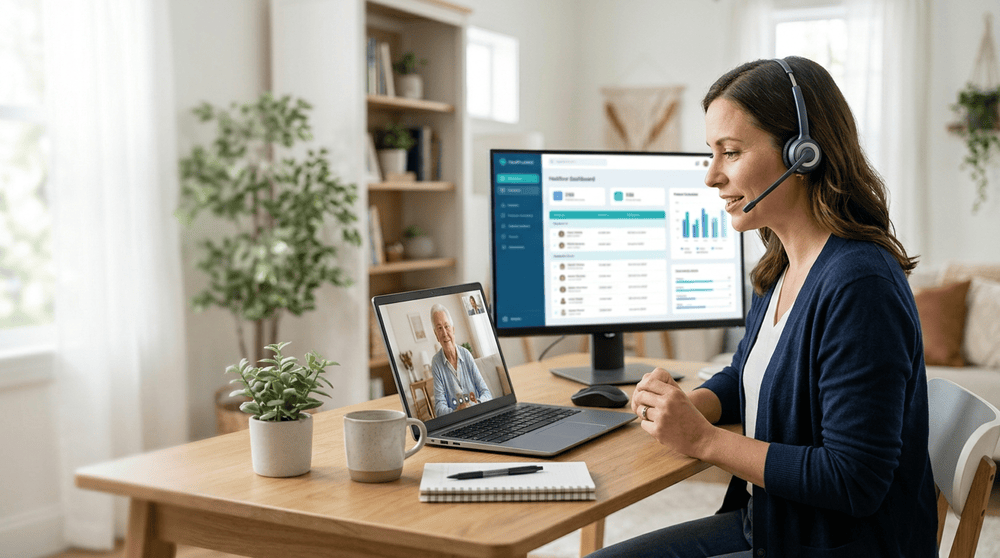
Modern medical practices face increasing pressure to provide quality patient care while managing daily administrative responsibilities. Doctors, nurses, and office employees must handle appointment scheduling, patient communication, medical documentation, registration, and follow-up activities. Managing all these tasks can become challenging, especially when a practice experiences growing patient demand. A remote patient care coordinator helps healthcare providers organize these responsibilities and maintain smooth daily operations.
With the growth of digital healthcare services, remote administrative support has become a practical solution for clinics, hospitals, and private medical offices. A remote patient care coordinator healthcare virtual assistant can help manage routine administrative work, respond to patient inquiries, organize appointments, and support medical teams through digital platforms. These services allow healthcare professionals to focus more on their patients while maintaining an organized and efficient working environment.
What Is a Remote Patient Care Coordinator?
A remote patient care coordinator is a trained professional who supports healthcare organizations by managing patient communication and administrative activities from a remote location. They work as a communication link between patients, medical staff, and healthcare departments.
Their responsibilities may include scheduling appointments, confirming patient visits, managing follow-up reminders, organizing registration forms, and responding to general administrative questions.
Unlike traditional front-desk employees, remote coordinators perform their duties through digital communication platforms and healthcare management systems. This allows medical practices to receive administrative support without requiring additional office space.
For modern healthcare providers, remote coordination can be an effective way to manage routine responsibilities and improve the patient experience.
Why Modern Medical Practices Need Remote Patient Care Coordination
Healthcare organizations need reliable administrative systems to manage their growing responsibilities. Patients expect convenient appointment scheduling, timely responses, and clear information about healthcare services.
However, medical office employees often have limited time because they must manage multiple responsibilities throughout the day.
A remote coordinator helps distribute this workload by handling assigned administrative tasks. They can manage appointment requests, organize patient information, and communicate with patients through approved channels.
This approach helps medical practices maintain consistent administrative support while allowing in-house teams to concentrate on activities that require physical attendance or clinical expertise.
Key Responsibilities of a Remote Patient Care Coordinator
A remote patient care coordinator performs several important tasks that contribute to the smooth operation of modern medical practices.
Managing Patient Appointments
Appointment management is one of the most important responsibilities in healthcare administration. Remote coordinators help patients schedule, confirm, cancel, or reschedule appointments according to the availability provided by the medical practice.
They can also send appointment reminders through email, phone calls, or approved messaging platforms.
An organized scheduling process helps reduce confusion, manage available appointment slots, and improve communication between patients and medical offices.
Handling Patient Communication
Patients frequently contact medical practices with questions about appointment availability, registration procedures, office policies, and administrative requirements.
A remote coordinator can respond to routine inquiries and direct patients to the appropriate departments when additional assistance is needed.
Professional communication helps patients receive clear information and creates a more convenient experience.
Medical questions, symptoms, and treatment concerns should always be directed to qualified healthcare professionals.
Organizing Patient Records
Accurate patient information is essential for maintaining organized healthcare operations. Remote coordinators may help update contact information, organize registration forms, and enter administrative details into approved healthcare systems.
They must follow established documentation procedures and maintain confidentiality when handling patient information.
Healthcare organizations should provide appropriate access permissions and security training to protect sensitive records.
Coordinating Patient Follow-Ups
Follow-up communication helps patients stay informed about upcoming appointments and other administrative requirements.
A coordinator can organize reminder schedules, contact patients about missed visits, and assist with rescheduling according to the medical practice’s procedures.
Consistent follow-up communication helps maintain better connections between patients and healthcare providers.
How a Healthcare Virtual Assistant Supports Medical Practices
A healthcare virtual assistant provides remote administrative support to doctors, clinics, hospitals, and other healthcare organizations. These professionals help manage routine office activities and reduce the workload of in-house employees.
Administrative and Office Support
Medical practices handle different administrative responsibilities every day. These may include answering calls, responding to emails, organizing documents, updating schedules, and managing patient inquiries.
A virtual assistant can handle assigned tasks, allowing in-house employees to focus on patient-facing responsibilities.
This arrangement can improve workflow organization and help healthcare teams manage their time more effectively.
Patient Registration Assistance
Patient registration involves collecting basic information and ensuring that the necessary administrative forms are completed.
A virtual assistant can guide patients through digital registration procedures, organize submitted forms, and identify missing administrative information.
This preparation helps medical practices manage registration activities more efficiently and reduce unnecessary delays.
Insurance and Billing Documentation
Insurance and billing administration can require significant paperwork and communication.
A trained healthcare assistant may help organize billing records, collect required information, and prepare administrative documents through approved systems.
They can also direct insurance-related questions to the appropriate department. Complex billing decisions and insurance determinations should remain with qualified personnel.
Benefits of Remote Patient Care Coordination for Medical Offices
Introducing remote coordination services can provide several advantages for healthcare organizations.
Improved Patient Experience
Patients appreciate receiving timely responses and clear information. When administrative inquiries are managed properly, patients can arrange appointments and understand office procedures more easily.
A dedicated coordinator helps maintain communication and ensures that routine requests are handled professionally.
Reduced Administrative Pressure
Doctors, nurses, and office employees often spend valuable time managing administrative activities. Assigning routine responsibilities to a remote professional can reduce this pressure.
This allows medical teams to concentrate on clinical responsibilities and other important activities.
Flexible Staffing Options
Not every medical practice needs additional full-time office employees. Remote support offers flexibility because organizations can arrange services according to their administrative requirements.
This option can be particularly useful for small clinics, independent doctors, and growing medical practices.
Better Workflow Organization
An organized workflow helps healthcare employees manage their responsibilities without unnecessary confusion.
Remote coordinators can maintain appointment schedules, organize administrative information, and ensure that important messages reach the appropriate departments.
These activities contribute to smoother daily operations.
Essential Skills Required for Remote Healthcare Coordination
Modern medical practices should carefully evaluate the skills of professionals before hiring remote administrative support.
Important skills include:
- Excellent verbal and written communication.
- Appointment scheduling and calendar management.
- Familiarity with electronic health record systems.
- Patient registration and documentation support.
- Accurate data entry and record organization.
- Professional telephone and email handling.
- Time management and organizational abilities.
- Understanding of patient privacy requirements.
- Ability to follow healthcare administrative procedures.
Experience in healthcare administration can also be valuable. Professionals should understand the limits of their responsibilities and know when to transfer patient questions to qualified medical staff.
How to Choose the Right Remote Patient Care Coordinator
Selecting the right professional is important for maintaining reliable healthcare operations. Medical practices should evaluate candidates based on their experience, communication skills, technical knowledge, and ability to manage administrative responsibilities.
Start by identifying the tasks that require additional support. Some practices may need appointment scheduling, while others may require patient communication, registration assistance, or documentation management.
It is also important to check whether the professional can work with the healthcare organization’s existing software and communication systems.
Data security should remain a priority. Healthcare providers must establish appropriate access controls, confidentiality agreements, and secure working procedures according to applicable privacy regulations.
Clearly defined responsibilities, working hours, reporting requirements, and communication expectations can help create a successful working relationship.
The Future of Remote Support in Modern Medical Practices
Digital technology continues to change how healthcare organizations manage administrative operations. Online appointment systems, electronic health records, and secure communication platforms have created new opportunities for remote healthcare support.
As medical practices continue adopting digital solutions, remote professionals can help manage routine activities and maintain communication with patients.
However, successful remote coordination requires more than technology. Professional communication, accurate documentation, proper training, and respect for patient confidentiality remain essential.
Healthcare organizations that combine trained remote professionals with reliable digital systems can build more organized administrative processes and improve the overall patient experience.
Conclusion
A remote patient care coordinator can become a valuable part of modern medical practices by managing appointments, organizing patient information, supporting follow-up communication, and handling routine administrative responsibilities. These services help reduce the workload of in-house employees and improve the organization of daily healthcare operations.
A healthcare virtual assistant provides additional support through registration assistance, documentation management, and general office coordination. By choosing experienced professionals and maintaining secure working procedures, medical practices can improve administrative efficiency and provide patients with a more convenient healthcare experience.
Frequently Asked Questions
What does a remote patient care coordinator do in a medical practice?
A remote patient care coordinator manages administrative activities such as appointment scheduling, patient communication, follow-up reminders, registration assistance, and record organization.
Why do modern medical practices hire remote coordinators?
Medical practices hire remote coordinators to reduce administrative workloads, improve appointment management, maintain patient communication, and support daily office operations.
Can a healthcare virtual assistant work with private doctors?
Yes. Private doctors can hire healthcare virtual assistants to manage routine administrative responsibilities, including scheduling, emails, patient registration, and documentation support.
What technology does a remote patient care coordinator use?
They may use electronic health record systems, appointment scheduling software, secure email platforms, patient management tools, and approved communication applications.
Is remote patient coordination suitable for small medical practices?
Yes. Remote coordination can be a flexible administrative support option for small clinics and independent medical practices that want to manage routine tasks without expanding their in-office teams.