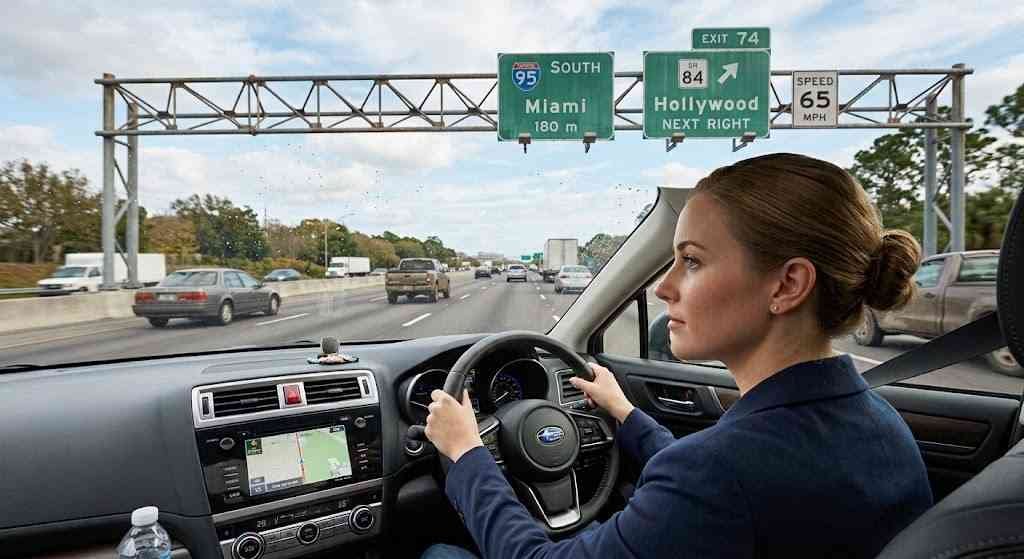
Driving requires your full attention, but that does not mean you should ignore the road signs around you. Signs provide important information about speed limits, hazards, lane changes, directions, restrictions, and upcoming road conditions. The challenge is learning how to notice and understand them without taking your attention away from the road for too long.
For new drivers, especially those still developing their observation skills, learning to process road signs naturally is an important part of becoming a safer driver. Quality Teen driver training Vancouver can help young drivers practise scanning the road, recognising common signs, and making decisions without becoming overwhelmed by everything happening around them.
The good news is that reading road signs does not have to be distracting. With the right habits, you can identify important signs quickly, understand what they mean, and continue watching traffic at the same time. The key is to make sign recognition part of your normal visual routine rather than treating every sign as something that requires intense concentration.
Why Road Signs Matter So Much
Road signs are designed to communicate information quickly. A driver may only have a few seconds to understand a sign and respond appropriately.
A speed-limit sign, for example, tells you the maximum permitted speed for that section of road. A warning sign may alert you to a sharp bend, pedestrian crossing, roadworks, or changing road conditions. Directional signs help you prepare for upcoming turns or exits.
Ignoring signs can lead to missed turns, sudden lane changes, inappropriate speed, or unsafe decisions. However, staring at a sign for too long can create another problem: you may stop paying attention to vehicles, cyclists, pedestrians, or hazards around you.
Safe driving therefore requires a balance between reading signs and maintaining overall awareness.
Keep Your Eyes Moving
One of the most useful habits you can develop is maintaining a continuous visual scan.
Instead of staring straight ahead for a long period, regularly check different parts of the driving environment:
- Look well ahead at the road.
- Check nearby vehicles and traffic movement.
- Scan mirrors regularly.
- Notice pedestrians and cyclists.
- Look for road signs and markings.
- Return your attention to the road ahead.
This does not mean rapidly moving your eyes in every direction. Your scanning should be controlled and purposeful.
When a sign appears, glance at it, understand its message, and return your attention to the road. With practice, this process becomes much faster and more natural.
Learn Common Road Signs Before You Drive
One of the easiest ways to reduce distraction is to recognise signs before you encounter them on the road.
If you already know what a particular sign means, you do not need to spend several seconds trying to interpret it.
Start With the Most Important Categories
Become familiar with common categories such as:
- Regulatory signs: These communicate rules or restrictions.
- Warning signs: These alert you to potential hazards or changes ahead.
- Guide signs: These provide directions, destinations, routes, or distances.
- Temporary signs: These may indicate construction, closures, detours, or changing traffic conditions.
- Parking and stopping signs: These explain where and when vehicles can stop or park.
Understanding the general purpose of these categories helps you process information more quickly.
Do Not Stare at Signs
A common mistake among inexperienced drivers is looking at a sign for too long because they want to make absolutely certain they have understood it.
While careful observation is good, excessive attention can become dangerous.
Imagine you are approaching an intersection and notice a sign indicating a change in traffic rules. If you keep staring at that sign while travelling forward, you may fail to notice that the vehicle ahead has slowed down.
A brief glance is usually enough.
Think of signs as information you collect while driving rather than objects you need to study.
Look Ahead for Signs Early
Avoid waiting until you are directly beside a sign before trying to read it.
Good drivers develop the habit of looking well ahead. This gives you more time to identify signs and prepare for what they indicate.
For example, if a directional sign tells you that your exit is approaching, you can begin planning your lane position early. You will be less likely to make a sudden move when the exit arrives.
The same principle applies to warning signs. If you notice a sign indicating a bend ahead, you have time to adjust your speed smoothly rather than braking suddenly at the last moment.
Prioritize the Information That Matters Most
Not every sign requires the same level of attention.
When several signs appear close together, focus first on information that directly affects your immediate driving decision.
For example, a sign warning of a hazard ahead may deserve more immediate attention than a directional sign pointing toward a destination you are not currently travelling toward.
Ask yourself:
“Does this sign change what I need to do right now?”
If the answer is yes, process it carefully and respond appropriately.
If the answer is no, you can continue driving while keeping the information in your awareness.
Use Road Markings Alongside Signs
Road signs are only one part of the information available to drivers. Road markings can often reinforce what a sign is telling you.
Lane arrows, stop lines, pedestrian crossings, solid lines, broken lines, and other markings can help you understand how the road is organised.
Using signs and markings together reduces the amount of mental effort required.
For example, if a sign indicates an upcoming turn and the lane markings also show a turning lane, you have two sources of information confirming what is coming.
This makes it easier to plan your next move without rushing.
Avoid Looking Away for Navigation
Navigation can become a major source of distraction, particularly when drivers are unfamiliar with an area.
If you use a navigation system, prepare your route before starting your journey whenever possible. Listen to spoken instructions and avoid repeatedly looking down at a phone or navigation screen.
When a direction sign appears, use it to confirm your surroundings rather than relying entirely on a screen.
If you miss a turn, do not panic. Continue driving safely and allow the navigation system to recalculate when appropriate. Making an abrupt lane change because you missed an instruction is far more dangerous than taking a few extra minutes to find another route.
Slow Down When the Environment Becomes Complex
Busy intersections, unfamiliar roads, construction zones, and areas with multiple signs can require more attention.
If you notice that there is a lot of information to process, avoid rushing.
Reducing your speed appropriately can give you more time to:
- Read signs.
- Identify lane markings.
- Observe traffic.
- Check mirrors.
- Anticipate hazards.
- Make smooth decisions.
However, always follow the applicable speed limit and road conditions. The goal is not simply to drive slowly; it is to maintain a speed that allows you to respond safely.
Practise Sign Recognition as a Passenger
You can improve your sign-reading skills even when you are not driving.
When travelling as a passenger, try identifying road signs without allowing yourself to become absorbed in your phone or another distraction.
Ask yourself:
- What type of sign is that?
- What does it mean?
- What action would a driver need to take?
- How far ahead is the relevant hazard or instruction?
- What other road information supports the sign?
This can build familiarity with signs without the pressure of simultaneously controlling a vehicle.
Build the Habit of “See, Understand, Act”
A simple mental sequence can make road-sign reading easier:
1. See
Notice the sign while maintaining awareness of the surrounding road.
2. Understand
Identify what the sign is communicating.
3. Act
Make any necessary adjustment safely and smoothly.
For example, if you see a reduced speed-limit sign, you notice it, understand the new limit, and adjust your speed appropriately.
The process should not involve panic or sudden movements. Good driving decisions are usually planned rather than rushed.
Avoid Tunnel Vision
Tunnel vision occurs when a driver becomes so focused on one thing that other important information is overlooked.
Road signs can contribute to this problem if you become overly concerned with finding a particular sign or destination.
Suppose you are looking for a street name. You may become so focused on locating it that you stop noticing pedestrians crossing the road or traffic slowing ahead.
Instead, keep your attention broad. Search for the sign while continuing to monitor the entire driving environment.
Your destination matters, but getting there safely matters more.
Give Yourself Extra Time on Unfamiliar Roads
Unfamiliar roads naturally require more mental processing.
You may encounter unfamiliar intersections, lane arrangements, signs, traffic patterns, or road markings. Trying to make decisions at the last possible moment increases stress and distraction.
Before driving somewhere unfamiliar, consider reviewing the general route. Knowing the major roads, turns, and destinations in advance can reduce the amount of information you need to process while driving.
During the journey, stay flexible. Road conditions can change, and following a planned route should never take priority over safe driving.
What to Do If You Miss a Sign
Everyone misses a sign occasionally. The important thing is how you respond.
Do not suddenly brake, reverse, cross lanes, or make an aggressive turn simply because you missed an instruction.
Instead:
- Stay calm.
- Continue driving safely.
- Check your surroundings.
- Follow the road ahead.
- Look for the next safe opportunity to correct your route.
A missed turn is inconvenient. An unsafe manoeuvre can have serious consequences.
Make Sign Reading Automatic Through Practice
The ultimate goal is to make road-sign recognition feel natural.
At first, you may consciously think about every sign you see. Over time, your brain begins recognising familiar symbols and patterns automatically.
Regular driving practice can help you develop this ability. Focus on smooth observation rather than trying to memorise every possible sign at once.
Start with the signs you encounter most frequently, then gradually expand your knowledge.
Final Thoughts
Reading road signs safely is not about staring at every sign or trying to memorise everything you see. It is about developing a balanced visual routine that allows you to collect important information while continuing to monitor traffic, pedestrians, road markings, mirrors, and potential hazards.
Look ahead, recognise familiar signs quickly, prioritize information that affects your immediate decisions, and avoid making sudden manoeuvres when you miss something. With consistent practice, sign recognition becomes a natural part of driving rather than a source of distraction.
Whether you are a new driver or helping a young person develop better road awareness, patient practice can make a significant difference. Training with Benche Driving School can also provide an opportunity to build practical observation and decision-making habits in a structured learning environment. The goal is simple: understand the road around you while keeping your attention where it belongs on driving safely.