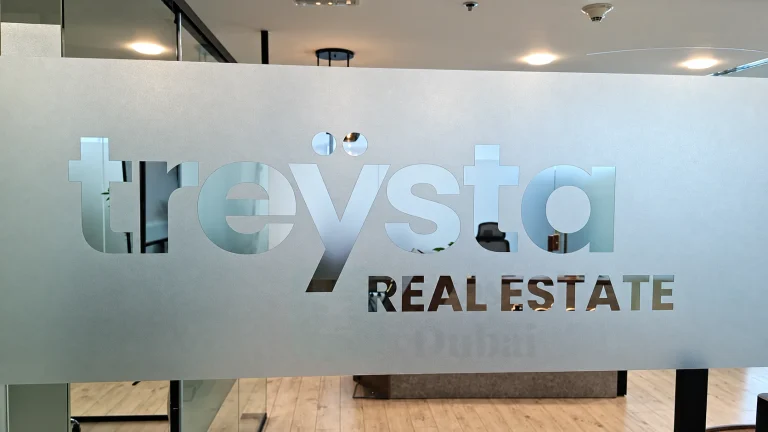
Glass is widely used in modern offices, shops, homes, and commercial buildings because it allows natural light to enter and creates an open appearance. However, clear glass does not always provide enough privacy. People inside a meeting room, office cabin, or private area may feel uncomfortable when everyone outside can see through the glass. One practical way to address this issue is by applying a logo cut frosted sticker to the glass surface.
This type of sticker combines a frosted appearance with a custom-cut design. Instead of covering the entire glass panel with a solid sheet, selected areas are removed or shaped to create a logo, symbol, pattern, or lettering. The result is a decorative surface that offers a degree of privacy while keeping the space bright. Its appearance can be simple or detailed, depending on the design and the purpose of the glass partition.
1. What Is a Logo Cut Frosted Sticker?
A logo cut frosted sticker is a decorative film made from frosted-effect adhesive material. It is cut into a particular shape, usually following the outline of a company logo, symbol, or other custom artwork. The material creates a translucent finish on clear glass, making it harder to see details through the covered areas.
Unlike a printed sticker, which may have colours or images printed on its surface, a cut design is created by removing selected parts of the film. This process allows the original glass to remain visible in the uncovered areas.
For example, a company may have a glass meeting room with a large frosted band across the middle. Its logo can be cut into the band, leaving the glass visible in the shape of the logo. This creates a clear visual identity without covering the whole partition.
How the Cut Design Is Created
The process generally begins with a digital version of the required artwork. The design is prepared for a cutting machine, which follows the outlines and separates the required shapes from the frosted material.
The finished design is then transferred onto the glass. Depending on the complexity of the artwork, small details may require careful handling during application.
2. How Does It Provide Privacy Without Blocking Light?
One important feature of frosted glass film is its ability to reduce direct visibility while allowing natural light to pass through. This makes it useful in areas where complete darkness or heavy window coverings are not suitable.
Clear glass allows people to see objects and activities on the other side. Frosted film scatters incoming light, making the view less distinct. Although it does not create complete privacy in every situation, it can make rooms more comfortable for everyday use.
Balancing Privacy and Visibility
The amount of privacy depends on the coverage, material, lighting conditions, and distance between the viewer and the glass. A full frosted panel provides more visual screening than a narrow decorative strip.
For example, a small office cabin may need privacy around desk height but still benefit from clear glass near the top. A frosted band across the middle can reduce direct views of seated employees while allowing daylight to enter through the uncovered sections.
Why Natural Light Matters
Natural light can make indoor spaces feel more open and comfortable. In offices, it may also reduce the need for artificial lighting during daylight hours. Frosted film offers an option for improving visual privacy without using heavy curtains or permanent wall coverings.
3. Common Places Where Logo Cut Designs Are Used
These stickers are suitable for different types of glass surfaces. Their design can be adjusted to match the purpose, size, and appearance of a particular location.
Office Partitions and Meeting Rooms
Glass partitions are common in modern workplaces because they separate different areas without making the office feel closed. However, meeting rooms often require some privacy for discussions, presentations, and confidential work.
A company logo cut into a frosted strip can make the partition easier to recognise while reducing direct visibility. The design can be placed at eye level or across the central section of the glass.
Reception Areas
Reception spaces often contain glass walls, doors, or counters. A frosted design can make these areas look organised while providing a subtle decorative feature.
For example, a reception entrance may have the company name cut into a frosted panel. Visitors can recognise the space without needing a large printed sign.
Retail Shops
Retail stores sometimes use glass partitions to separate customer areas, storage sections, and staff spaces. Frosted designs can help create visual separation without completely closing off the interior.
Homes and Residential Buildings
In houses and apartments, these designs may be used on bathroom doors, glass room dividers, entrance panels, and selected windows. A simple family symbol or decorative logo can be incorporated into the frosted pattern.
4. Design Options for Different Logos and Glass Surfaces
The appearance of a cut design depends on the shape of the logo, the size of the glass, and the amount of detail in the artwork. A design that looks clear on a computer screen may become difficult to cut if it contains very small letters or complicated lines.
Simple Logo Designs
Logos with clear outlines and larger shapes are generally easier to reproduce. They can be applied to office doors, meeting room partitions, and shopfront glass.
For instance, a business with a circular symbol may use a frosted background with the symbol cut out in the centre. This creates a balanced appearance without adding unnecessary decoration.
Text and Lettering
Company names, department labels, room numbers, and short messages can also be cut into frosted film. The lettering should be large enough to remain readable from a normal viewing distance.
Very thin fonts may be difficult to apply because small pieces of material can lift or become damaged during installation.
Geometric and Decorative Patterns
Some glass surfaces need a design that is not limited to a company logo. Lines, squares, circles, and repeated patterns can be combined with the main symbol to create a consistent appearance.
5. Benefits of Using a Logo Cut Frosted Sticker
A carefully planned design can provide several practical benefits. Its usefulness depends on the quality of the material, installation, and suitability of the artwork.
Improved Visual Privacy
Frosted film reduces clear visibility through selected glass areas. This can be useful in meeting rooms, private offices, bathrooms, and other spaces where people need some separation.
Better Use of Existing Glass
Replacing clear glass with specially treated glass can be expensive and may require construction work. Applying adhesive film is a less permanent way to change the appearance of an existing surface.
Recognition of Rooms and Workspaces
A cut logo can help identify a particular company, department, or room. In a large office with several glass meeting rooms, consistent designs can make the layout easier to understand.
Decorative Appearance
Plain glass can sometimes look empty, especially across large partitions. A frosted pattern adds texture and visual interest without introducing heavy colours or covering the entire surface.
Flexible Design Choices
The artwork can be adjusted for different glass sizes and layouts. A small logo may suit a single door, while a wider design may work better on a large partition.
6. Choosing the Right Material and Design
Selecting suitable material is important because glass stickers are exposed to regular cleaning, fingerprints, sunlight, and changes in indoor temperature.
Before choosing a film, it is useful to consider where it will be installed. Indoor partitions may have different requirements from exterior-facing windows or doors exposed to weather.
Material Quality
A suitable frosted film should have a consistent surface, reliable adhesive, and enough flexibility for the intended application. Poor-quality material may develop bubbles, lift at the edges, or lose its appearance over time.
Glass Measurements
Accurate measurements help prevent design and installation problems. The width and height of the glass panel should be checked before preparing the cutting file.
For example, a logo placed on a narrow office door may need a smaller layout than the same logo used on a wide conference room partition.
Artwork Preparation
The original logo should be supplied in a clear digital format whenever possible. Vector artwork is particularly useful because it can be resized without losing the sharpness of its outlines.
Avoiding Very Small Details
Tiny letters, narrow gaps, and complicated shapes may not transfer well onto adhesive film. Simplifying selected details can make the finished design cleaner and easier to maintain.
7. Installation and Maintenance Requirements
Correct installation has a direct effect on the final appearance of a frosted sticker. Even a well-prepared design may look uneven if the glass is dirty or the film is applied incorrectly.
Preparing the Glass Surface
The glass should be cleaned before installation. Dust, grease, fingerprints, and other particles can become trapped beneath the film and create visible marks.
Installers usually check the surface carefully and remove any remaining dirt before applying the material.
Applying the Sticker
The film is positioned according to the planned layout and applied gradually. An application tool helps press the material against the glass and remove trapped air.
Detailed cutouts require extra care because narrow sections and small shapes can be difficult to position accurately.
Cleaning and Daily Care
Once the adhesive has settled, the surface can generally be cleaned with a soft cloth and a suitable glass cleaner. Abrasive pads, sharp objects, and harsh cleaning chemicals should be avoided because they may scratch or damage the film.
Regular cleaning helps maintain a neat appearance, especially in busy offices and public areas.
8. Logo Cut Frosted Stickers in Different Commercial Environments
Different businesses use glass in different ways, so the same design may not be suitable for every location. The layout should reflect the purpose of the space rather than simply placing a logo on every available surface.
Small Offices
Small workplaces often have limited space and several glass sections. A simple logo on the main entrance or meeting room door can provide identification without making the interior look crowded.
Large Corporate Buildings
Larger offices may use similar frosted patterns across multiple floors. Consistent placement can help maintain a uniform appearance while providing visual screening for meeting rooms and private work areas.
Clinics and Professional Spaces
Clinics, consultation rooms, and other professional environments may require additional visual privacy. Frosted panels can reduce visibility into certain areas, although they should not be treated as a replacement for proper privacy measures where confidentiality is essential.
In locations where businesses compare different options for frosted stickers dubai, design requirements may include glass measurements, logo accuracy, privacy needs, and suitability for the local indoor or outdoor environment. A neutral example of this type of service category can be found through references such as Frosted Stickers Dubai.
9. Common Mistakes to Avoid Before Installation
A few simple checks can prevent unnecessary problems and improve the final result.
Using an Overly Complicated Logo
A logo with too many small elements may lose clarity when converted into a cut design. It is better to review the artwork at its actual installation size before production.
Ignoring Privacy Requirements
A decorative strip may look attractive but provide limited screening if the main purpose is to prevent people from seeing inside. The required coverage should be decided before selecting the layout.
Incorrect Placement
A logo positioned too high, too low, or too close to a door handle may look unbalanced. Measurements and a visual layout should be reviewed before applying the film.
Neglecting Glass Condition
Cracked, damaged, or poorly cleaned glass can create installation difficulties. The surface should be inspected and prepared before the sticker is applied.
Forgetting Future Removal
Adhesive films are not all the same. Some are easier to remove than others. If the design may need to be changed later, the material and adhesive should be selected with future removal in mind.
10. Practical Examples of Logo Cut Frosted Sticker Applications
Real-life examples help explain how these designs can solve different problems.
Example 1: A conference room: A company installs a wide frosted band across its meeting room glass. Its logo is cut into the centre, leaving the surrounding glass translucent. Employees gain more visual privacy during discussions, while natural light still enters the room.
Example 2: A clinic entrance: A consultation room has a frosted section across its glass door. The clinic’s symbol is cut into the film, helping visitors identify the room while reducing direct visibility inside.
Example 3: A retail office: A shop uses a frosted design on the glass separating its sales floor from the staff office. A simple logo and room label make the area easier to recognise without requiring a solid partition.
Example 4: A home interior: A homeowner applies a frosted pattern to a glass divider between a living room and a private study. A small decorative symbol adds character while reducing distractions and direct views.
These examples show that the design should always be selected according to the purpose of the glass, the required privacy level, and the overall appearance of the space.
Conclusion
A logo cut frosted sticker is a practical way to combine glass decoration, visual privacy, and simple identification. It can be used in offices, meeting rooms, clinics, shops, and homes without replacing existing glass. Its frosted surface helps reduce direct visibility while allowing natural light to pass through, and its custom-cut design provides room for logos, lettering, and decorative shapes.
The best results come from choosing suitable material, preparing accurate artwork, measuring the glass carefully, and applying the film to a clean surface. When these details are considered before installation, the finished design can remain useful and attractive as part of the interior for a long time.