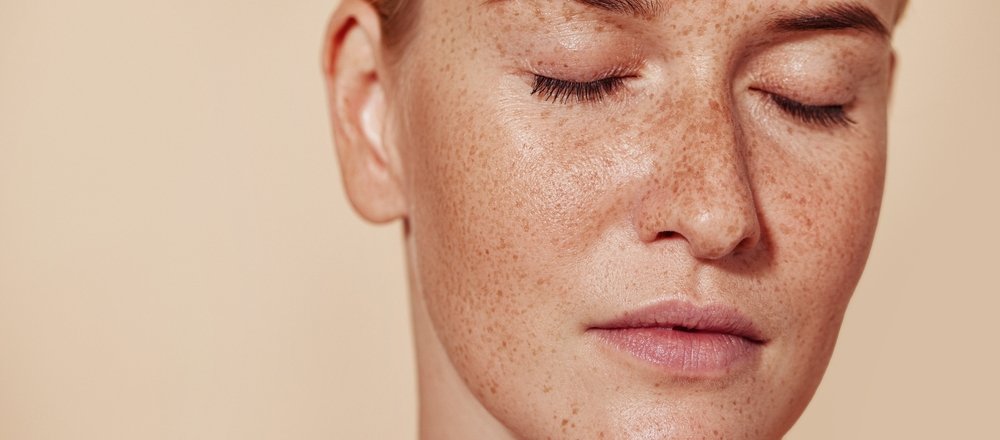
Understanding Pigmentation Treatment in Dubai
Uneven skin tone, dark patches, and discoloration are common skin concerns that can affect people of different ages and skin types. Pigmentation may appear on the face, forehead, cheeks, upper lip, or other areas of the body. Sun exposure, hormonal changes, acne marks, aging, and skin irritation can all contribute to an uneven complexion. For people looking for a clearer and brighter appearance, Pigmentation Treatment in Dubai offers several options designed to improve the look of discolored areas and support healthier-looking skin.
At Altaderma Clinic, pigmentation concerns can be approached with a personalized plan based on the individual’s skin type, pigmentation pattern, and overall skin condition. Instead of using the same approach for everyone, a suitable treatment plan can focus on the specific cause and appearance of pigmentation. This personalized approach can help create more natural-looking and balanced results.
What Causes Skin Pigmentation?
Pigmentation happens when the skin produces or distributes melanin unevenly. Melanin is the natural pigment responsible for skin color. When excess melanin collects in certain areas, those areas can appear darker than the surrounding skin.
One of the most common causes is sun exposure. Ultraviolet rays can stimulate melanin production, which may lead to dark spots and uneven skin tone. This is especially important in sunny environments where the skin can receive regular UV exposure.
Hormonal changes can also contribute to pigmentation. Some people develop patches of darker skin during periods of hormonal fluctuation. This type of pigmentation can be more noticeable on the cheeks, forehead, nose, and upper lip.
Acne and other forms of skin inflammation may leave dark marks after the original problem has healed. These marks are often called post-inflammatory pigmentation. Picking or squeezing acne can make these marks more noticeable or increase the time they take to fade.
Aging is another factor. Over time, years of sun exposure and natural changes in the skin can result in visible dark spots and an uneven complexion.
Why Consider Pigmentation Treatment in Dubai?
Many people choose pigmentation treatments because they want their skin to look more even, fresh, and radiant. Pigmentation can sometimes make the complexion appear dull even when the skin is otherwise healthy.
The purpose of Pigmentation Treatment in Dubai is not simply to make the skin lighter. A well-planned treatment focuses on reducing the appearance of unwanted pigmentation while maintaining the skin’s natural character.
At Altaderma Clinic, treatment planning can take into account the type of pigmentation, its location, skin sensitivity, and the individual’s desired outcome. This can make the overall treatment approach more targeted and appropriate.
Common Types of Pigmentation
Not all pigmentation looks or behaves in the same way. Understanding the type of discoloration can help determine the most suitable treatment approach.
Sun Spots and Dark Spots
Sun spots commonly develop after repeated exposure to sunlight. They may appear as small, flat, darker areas on parts of the face, hands, shoulders, or other sun-exposed areas. Consistent sun protection is important because continued UV exposure can encourage new spots to develop.
Melasma
Melasma often appears as larger patches of brown or gray-brown discoloration. It commonly affects areas such as the cheeks, forehead, nose, and upper lip. Hormonal changes and sun exposure can both play a role in its development.
Post-Acne Pigmentation
Dark marks left behind after acne can remain visible even after the blemishes have disappeared. These marks may gradually fade, but professional treatment can sometimes help improve their appearance more effectively.
Uneven Skin Tone
Some people do not have clearly defined dark spots but notice that certain areas of their complexion look darker or less even. Treatments can be planned to improve overall skin uniformity and brightness.
How Does Pigmentation Treatment in Dubai Work?
The treatment process depends on the type and depth of pigmentation. During an initial consultation, the skin can be assessed to understand the visible discoloration and determine an appropriate approach.
Different procedures may work in different ways. Some treatments target excess pigment directly, while others encourage skin renewal. Certain procedures may remove damaged surface cells, helping newer-looking skin become more visible.
The exact number of sessions varies from person to person. Mild pigmentation may require a different treatment schedule than long-standing or deeper discoloration. Following professional recommendations is important because excessive treatment can sometimes irritate the skin and make pigmentation more noticeable.
Treatment Options for Pigmentation
There are several approaches that may be considered when treating uneven pigmentation. The appropriate option depends on the individual’s skin and the nature of the concern.
Laser-Based Pigmentation Treatments
Laser technology may be used to target unwanted pigmentation while supporting skin renewal. The energy is carefully delivered to the treatment area, with the goal of improving the appearance of dark spots and uneven tone.
Laser-based procedures should always be selected according to skin type and pigmentation pattern. A professional assessment is important before treatment because different skin tones can respond differently to laser procedures.
Chemical Peels
Chemical peels use specially selected ingredients to encourage controlled exfoliation of the skin. By removing damaged surface cells, peels can help improve the appearance of discoloration and promote a smoother-looking complexion.
The strength and type of peel can vary. A professional can determine which option is more appropriate based on the condition and sensitivity of the skin.
Microneedling
Microneedling creates tiny controlled channels in the skin to encourage the body’s natural skin-renewal process. It may be included in a pigmentation plan, particularly when uneven texture and pigmentation occur together.
The treatment can also support a smoother appearance by encouraging collagen production. However, it should be performed carefully because unnecessary irritation may worsen pigmentation in some individuals.
Topical Skin Treatments
Professional skincare products may be recommended as part of a pigmentation management plan. Ingredients can help support skin renewal and reduce the appearance of uneven tone over time.
Skincare is often used alongside professional procedures rather than as a replacement for them. Consistency is important because pigmentation can return when the underlying triggers are not managed.
Pigmentation Treatment in Dubai at Altaderma Clinic
Choosing the right treatment is an important part of managing pigmentation. Altaderma Clinic can provide a personalized approach that considers the individual’s skin condition and cosmetic goals.
A consultation provides an opportunity to discuss when pigmentation started, whether it changes with sun exposure, previous skincare routines, and any treatments that have already been tried. This information can help create a more suitable plan.
The goal is to improve the appearance of pigmentation while keeping the complexion natural. A gradual approach may often be preferred because healthy skin should be protected throughout the treatment process.
Benefits of Pigmentation Treatment in Dubai
The potential benefits of professional pigmentation treatment can include a more even-looking complexion, reduced appearance of dark spots, improved skin texture, and a brighter overall appearance.
When pigmentation and uneven texture occur together, combining appropriate treatments may provide more comprehensive improvement. However, treatment should always be selected according to the individual’s needs.
Another important benefit is the opportunity to receive professional guidance. Instead of trying multiple products without knowing the cause of pigmentation, a personalized consultation can help identify a more structured approach.
What to Expect During a Pigmentation Treatment Journey
The treatment journey usually begins with a consultation and skin assessment. The skin is examined to understand the type and distribution of pigmentation. Treatment goals can then be discussed.
Depending on the selected procedure, the session may involve cleansing the skin, preparing the treatment area, performing the procedure, and applying suitable post-treatment skincare.
Some treatments may cause temporary redness, sensitivity, dryness, or mild peeling. These effects can vary depending on the procedure and individual skin response. Following aftercare instructions is important for supporting recovery.
Results are usually gradual rather than immediate. Pigmentation develops over time, so improving its appearance may also require patience. Multiple sessions may sometimes be recommended for more noticeable concerns.
How to Maintain Results After Pigmentation Treatment in Dubai
After professional treatment, protecting the skin from sunlight is one of the most important steps. UV exposure can stimulate melanin production and contribute to the return or worsening of pigmentation.
Using broad-spectrum sunscreen regularly can help protect treated skin. Sunscreen should be applied consistently, especially when spending time outdoors. Wearing protective clothing and seeking shade can also provide additional protection.
A gentle skincare routine can further support the skin. Harsh scrubs, unnecessary exfoliation, and irritating products may increase sensitivity. It is generally better to follow a simple routine recommended for the individual’s skin condition.
Hydration is also important. Keeping the skin moisturized can help support its protective barrier and improve overall comfort.
Why Sun Protection Matters
Sun protection is essential for anyone dealing with pigmentation. Even after successful treatment, regular sun exposure can encourage pigment production again.
This is particularly important in sunny climates. Daily sunscreen use should become part of a long-term skincare routine rather than something used only after a treatment session.
Consistent protection can help preserve improvements and reduce the chances of developing additional sun-related pigmentation.
Is Pigmentation Treatment in Dubai Suitable for Everyone?
Pigmentation treatment can be suitable for many people, but the best approach depends on individual skin characteristics. Skin tone, sensitivity, pigmentation type, previous treatments, and current skincare products can all influence treatment planning.
A professional assessment is therefore important before starting any procedure. Some pigmentation may also require medical evaluation to rule out other causes of skin discoloration.
At Altaderma Clinic, discussing your concerns openly during consultation can help create a treatment approach that matches your skin and expectations.
Achieving a Brighter and More Even Complexion
A brighter complexion does not necessarily mean changing your natural skin color. The aim of pigmentation management is usually to reduce visible discoloration and create a more balanced appearance.
With an appropriate treatment plan, professional care, consistent skincare, and good sun protection, the appearance of pigmentation can often be improved. Patience is important because the skin needs time to renew itself.
Pigmentation Treatment in Dubai can be an effective part of a comprehensive skincare routine for individuals concerned about dark spots, uneven tone, and visible discoloration. With personalized guidance from Altaderma Clinic, treatment can focus on the specific needs of the skin rather than following a one-size-fits-all approach.
Conclusion
Uneven pigmentation can affect how bright and balanced the complexion appears, but it does not have to define your skin. Modern treatment options can address different types of pigmentation and support smoother, more even-looking skin.
The key is choosing an appropriate treatment based on the cause and type of pigmentation, while also protecting the skin from future damage. Professional assessment, consistent aftercare, gentle skincare, and daily sun protection can all contribute to maintaining results.
For individuals considering Pigmentation Treatment in Dubai, Altaderma Clinic can be considered as part of the journey toward a brighter, more even-looking complexion. The right approach should always focus on healthy skin, realistic expectations, and gradual improvement.