Facial contours play an important role in the overall appearance of the face. The definition of the jawline, the shape of the cheeks, the transition between the lower face and neck, and the distribution of tissue beneath the skin all contribute to individual facial characteristics. As these features change over time, some people begin exploring aesthetic treatments that may help improve skin firmness and refine facial definition.
Endolift is a minimally invasive laser-based treatment used in selected cases to address skin laxity and improve the appearance of facial contours. However, planning this treatment involves more than identifying an area where the skin appears less firm. A detailed assessment helps determine how different facial structures relate to one another and which areas may be appropriate for treatment.
At Bodyvie Clinic, consultation provides an opportunity to discuss individual aesthetic goals and consider the features that influence facial appearance. For people researching Endolift in London, understanding how facial contours are assessed can help explain why treatment planning should be personalised rather than based on a standard approach.
What Is Endolift and How Does It Relate to Facial Contours?
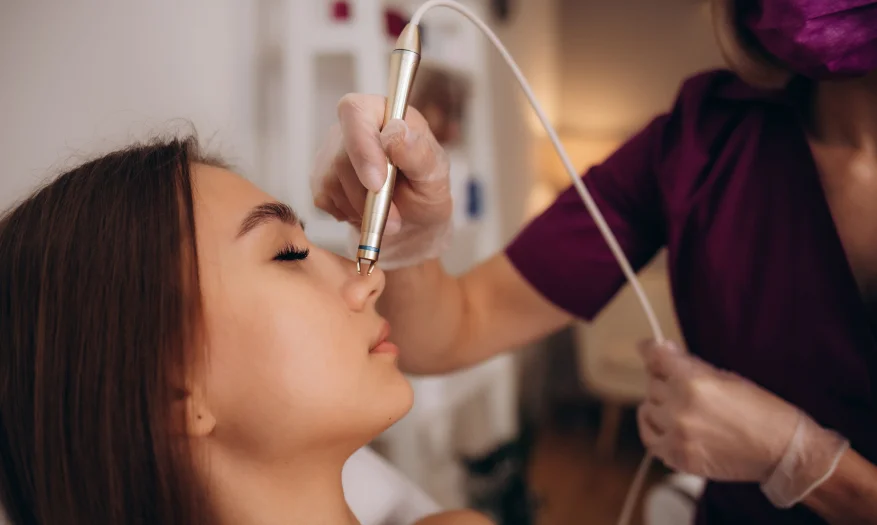
Endolift is a laser-assisted aesthetic procedure that uses a very fine optical fibre introduced beneath the skin in selected treatment areas. The laser energy interacts with targeted tissue and is used to support skin tightening and improvements in contour definition.
The treatment may be considered for certain areas of the lower face, jawline and other suitable regions, depending on the individual’s concerns and clinical assessment. Its purpose is to address specific aesthetic goals rather than change every aspect of facial appearance.
Facial contours are influenced by several factors, including skin elasticity, the distribution of underlying tissue, natural bone structure and the way facial features are proportioned. A person concerned about a less defined jawline may have different needs from someone whose main concern is mild laxity around the lower cheeks.
For this reason, Endolift Skin Tightening London treatment planning begins with understanding the nature of the concern and assessing whether the treatment is suitable for the individual.
Why Is Facial Contour Assessment Important Before Endolift?
Facial contour assessment helps the practitioner understand which features contribute most to the patient’s concerns. It also provides a basis for deciding which areas may benefit from treatment and how those areas relate to the rest of the face.
A less defined facial contour does not always result from skin laxity alone. Changes in tissue volume, individual anatomy and the natural shape of the jaw or chin can also influence facial definition.
During consultation, the practitioner can review these factors and discuss the changes that may realistically be addressed with Endolift. This assessment helps distinguish between concerns related to skin firmness and those that may require a different approach.
For example, someone who notices mild looseness along the lower cheeks may have different treatment considerations from someone whose jawline is naturally soft because of their underlying facial structure.
Understanding these differences helps create a more focused treatment plan and establishes realistic expectations before proceeding.
How Are Different Facial Areas Evaluated?
Lower Cheeks and Facial Definition
The lower cheeks can influence the appearance of the jawline and the transition between the middle and lower portions of the face. Changes in skin firmness or tissue distribution may make this region appear less defined over time.
During an Endolift consultation, the practitioner may examine the lower cheeks to understand the location and extent of the concern. The assessment can consider how the skin sits over the underlying structures and whether the appearance is primarily related to laxity or another factor.
The practitioner also considers how this area connects with the rest of the face. Treating an isolated section without understanding the surrounding contours may not address the patient’s overall concern.
A personalised assessment helps establish whether Endolift may be appropriate for the lower cheeks and what type of improvement may be achievable.
Jawline Shape and Definition
The jawline is a common focus for people exploring facial contouring treatments. A clearly defined jawline can influence the appearance of the lower face, while changes in skin firmness may soften its outline.
The practitioner may examine the jawline from the front and side, considering its natural shape, the appearance of the surrounding skin and the transition towards the neck.
It is important to distinguish between skin laxity and the underlying structure of the jaw. Endolift may be considered for selected concerns involving skin firmness, but it does not alter the shape of the jawbone itself.
The assessment therefore helps determine whether the patient’s expectations align with what the treatment is intended to achieve. It also allows the practitioner to explain whether a different option may be more suitable for concerns primarily related to facial structure.
Chin and the Lower Facial Profile
The chin contributes to the proportions of the lower face and its relationship with the lips, jawline and neck. Its natural projection and shape can affect how the entire lower facial profile is perceived.
When a patient is concerned about the appearance of the chin or the area immediately beneath it, the practitioner may assess the region alongside the jawline rather than considering it independently.
This broader perspective helps identify whether the concern appears to relate to skin laxity, the distribution of tissue beneath the chin or the underlying facial structure.
Endolift may be considered in selected cases where the treatment objectives align with its intended effects. However, it should not be assumed to correct every concern involving the chin or the area beneath it.
The consultation helps clarify the source of the concern and determine which treatment approach, if any, is appropriate.
Transition Between the Face and Neck
The area where the lower face meets the neck contributes to the appearance of the jawline and overall facial definition. Some people notice that this transition becomes less distinct as skin firmness changes.
During assessment, the practitioner may examine the lower face and upper neck together to understand the overall contour. This includes considering the location of the concern, the condition of the skin and the individual’s natural anatomy.
The extent of any visible laxity is important when deciding whether a minimally invasive treatment may be appropriate. Different degrees and causes of tissue changes can require different approaches.
By reviewing the face and neck as connected areas, the practitioner can explain which features Endolift may address and where expectations may need to be adjusted.
How Do Skin Elasticity and Tissue Distribution Influence Planning?
Skin elasticity is one of the factors considered when evaluating facial contours. Skin that retains a reasonable degree of elasticity may respond differently to treatment from skin with more pronounced laxity.
The practitioner may examine the appearance and condition of the skin in the area of concern, alongside the distribution of tissue beneath it. These characteristics help inform the discussion about treatment suitability.
Tissue distribution also matters because facial fullness and contour definition are not determined by the skin alone. In some individuals, the appearance of the lower face may be influenced by the amount and position of underlying tissue. In others, the primary concern may involve skin firmness.
Understanding these distinctions helps avoid treating every contour concern as though it has the same cause.
During consultation, patients can discuss which changes they have noticed and how these affect their appearance. The practitioner can then explain whether Endolift may be appropriate for their particular concerns or whether another treatment may offer a more suitable approach.
Why Are Facial Proportions Considered During Endolift Planning?
Facial proportions describe the relationship between different features and the way they work together to create an overall appearance. The cheeks, chin, jawline and neck contribute to the balance of the face, meaning that a change in one region can influence how another region is perceived.
For example, a patient may focus on a soft jawline without initially considering the relationship between the chin and the surrounding lower face. Assessing these features together helps the practitioner understand the concern in context.
The aim of contour assessment is not to make every face conform to one ideal shape. Natural facial variation is an important part of individual appearance, and treatment planning should take these differences into account.
A carefully considered approach focuses on the patient’s own features and preferences. It also recognises that improving skin firmness in a particular area will not necessarily change every aspect of facial proportion.
For anyone considering Endolift in London, this distinction is important when discussing realistic outcomes and deciding which concerns should be prioritised.
How Are Individual Aesthetic Goals Included in Treatment Planning?
A facial assessment provides clinical information, but the patient’s preferences also help guide the consultation. People may have different reasons for considering Endolift, even when they are concerned about the same facial area.
One person may want a more defined jawline, while another may be more concerned about the appearance of the lower cheeks. Some patients prefer a subtle change that preserves their existing facial characteristics, while others may be looking for a more noticeable improvement in skin firmness.
The practitioner can discuss these goals and explore what the patient hopes to achieve. This conversation helps identify the most important areas and establish whether the expected outcome is realistic.
It can also help determine which concerns should be addressed first. Treating every area that a patient mentions is not necessarily the most appropriate strategy, particularly when some concerns may be unrelated to skin laxity.
An individualised plan should explain the purpose of the proposed treatment, the areas being considered and the likely scope of improvement.
What Happens During an Endolift Consultation at Bodyvie Clinic?
A consultation provides an opportunity to review the patient’s concerns, assess facial contours and discuss whether Endolift is an appropriate option.
The practitioner may begin by asking which changes the patient has noticed and which areas they would most like to address. This discussion helps establish the patient’s priorities before the facial assessment begins.
The next step involves examining the relevant areas in the context of the overall face. Depending on the concern, this may include the lower cheeks, jawline, chin and transition between the face and neck. Skin condition, tissue distribution and natural facial proportions can all contribute to the assessment.
Once the relevant features have been reviewed, the practitioner can explain whether Endolift may be suitable and what the treatment is intended to achieve. If the concern is mainly related to another factor, an alternative approach may be discussed.
At a suitable Endolift Clinic in London, patients should have the opportunity to ask questions, understand the proposed treatment area and make an informed decision without feeling pressured to proceed.
How Can Patients Prepare for Their Consultation?
Preparing for a consultation can help patients communicate their goals clearly. It is useful to think about the facial changes that are most noticeable to you and the reasons you are considering treatment.
Rather than focusing only on a particular feature, consider how the concern affects the overall appearance of your face. For example, you may feel that your jawline has become less defined or that the lower cheeks appear different from how they looked previously.
You may also want to prepare questions about treatment suitability, the areas that could be considered and the kind of improvement that may be achievable.
Helpful questions include:
- Which facial contours are most relevant to my concerns?
- Is my concern mainly related to skin laxity or another factor?
- Which areas may be suitable for Endolift?
- What changes can reasonably be expected from treatment?
- Would an alternative treatment be more appropriate for my goals?
- How will the treatment plan be tailored to my facial structure?
These questions encourage a clear conversation and help ensure that the proposed plan reflects your needs.
Conclusion
Facial contours are an important consideration when planning Endolift because the appearance of the face depends on the relationship between several structures. The lower cheeks, jawline, chin and transition between the face and neck may all contribute to concerns about definition and skin firmness.
A detailed assessment helps the practitioner distinguish between changes related to skin laxity, tissue distribution and natural facial structure. It also provides an opportunity to understand the patient’s aesthetic preferences and decide whether Endolift is suitable for the concerns being addressed.
At Bodyvie Clinic, consultation allows patients to explore their options and discuss a treatment approach based on their individual facial characteristics. Rather than applying the same plan to everyone, the focus should remain on appropriate treatment selection, realistic expectations and a considered understanding of facial balance.
For people researching Endolift Skin Tightening London, understanding how facial contours influence treatment planning can help them approach consultation with clearer questions and more informed expectations.
Frequently Asked Questions
1. How are facial contours assessed before Endolift?
The practitioner evaluates the areas of concern, including the lower cheeks, jawline, chin and sometimes the transition between the face and neck. Skin condition, tissue distribution, facial proportions and personal goals help determine whether Endolift may be appropriate.
2. Which facial areas can Endolift address?
Depending on individual suitability and the treatment plan, Endolift may be considered for selected areas of the lower face, jawline and other appropriate regions. The areas chosen depend on the patient’s concerns and the practitioner’s assessment.
3. Why is the jawline important when planning Endolift?
The jawline contributes to the definition of the lower face and its transition towards the neck. Assessing its shape and the condition of the surrounding skin helps the practitioner determine whether the patient’s concern may be addressed by a skin-tightening approach.
4. Does Endolift change the underlying facial structure?
Endolift is intended to address selected concerns involving skin firmness and contour appearance. It does not reshape the underlying facial bones, so treatment planning should distinguish between concerns related to skin laxity and those primarily related to natural facial structure.
5. Is Endolift suitable for every type of facial contour concern?
No. Suitability depends on the nature of the concern, individual anatomy, skin characteristics and treatment goals. A consultation helps establish whether Endolift is appropriate or whether another approach may be more suitable.
6. How do personal preferences influence Endolift treatment planning?
Personal preferences help determine which areas matter most to the patient and what type of result they hope to achieve. The practitioner considers these goals alongside the clinical assessment to develop an appropriate treatment plan.
7. Can more than one facial area be considered during an Endolift consultation?
Yes. The practitioner may assess several connected areas to understand the overall facial contour. However, the final plan should include only the areas considered appropriate for the patient’s needs and treatment objectives.
8. How do I find an Endolift Clinic in London?
Look for a clinic that offers an individual consultation, clearly explains treatment suitability and discusses realistic outcomes. It is also important to check the practitioner’s relevant qualifications and experience and ensure that you understand the proposed treatment plan before making a decision.