Many homeowners focus on visible maintenance issues such as roof repairs, plumbing leaks, or insulation upgrades. However, one invisible danger often goes unnoticed—radon gas. This naturally occurring radioactive gas can enter homes through cracks in foundations and other openings, accumulating indoors without any smell, color, or taste.
A professional Radon Removal Service is one of the most effective ways to reduce indoor radon levels and create a healthier living environment. Whether you have recently purchased a home or have lived in the same property for years, understanding how radon removal works can help you make informed decisions about protecting your family.
This guide explains what radon is, why it is dangerous, how radon removal systems work, and why hiring professionals is the safest solution.
What Is Radon?
Radon is a naturally occurring radioactive gas produced when uranium breaks down in soil, rock, and groundwater. Since it is invisible and odorless, homeowners cannot detect it without specialized testing equipment.
Radon can enter a building through:
- Cracks in concrete floors
- Foundation walls
- Gaps around utility pipes
- Crawl spaces
- Floor drains
- Construction joints
- Sump pits
Once inside, the gas can accumulate, especially in lower levels like basements and crawl spaces.
Why Is Radon Dangerous?
Long-term exposure to elevated radon levels is one of the leading causes of lung cancer among non-smokers. According to health experts, breathing radon over many years increases the risk of developing serious respiratory illnesses.
People at greater risk include:
- Children
- Elderly adults
- Smokers
- Individuals with existing lung conditions
Because radon cannot be detected by human senses, testing and mitigation are essential for every home.
What Is a Radon Removal Service?
A Radon Removal Service involves identifying elevated radon levels and installing a mitigation system that safely redirects radon gas from beneath your home to the outside atmosphere.
Professional services typically include:
- Radon testing
- Property inspection
- Mitigation system design
- Fan installation
- Vent pipe installation
- Sealing foundation openings
- Final performance testing
The objective is to reduce indoor radon concentrations to safe levels recommended by health authorities.
How Does a Radon Removal System Work?
The most common technique is called sub-slab depressurization.
The process works as follows:
Step 1: Creating a Suction Point
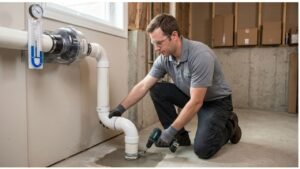
A small hole is drilled through the basement floor to reach the soil beneath the foundation.
Step 2: Installing PVC Vent Pipes
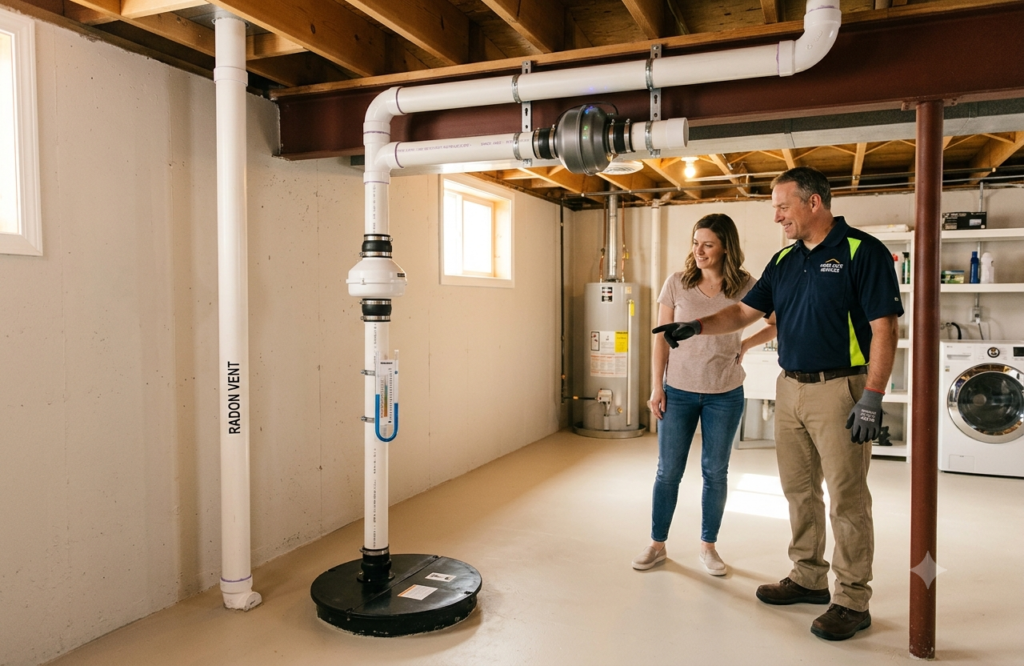
PVC piping is connected beneath the slab and routed vertically through the house or along the exterior wall.
Step 3: Installing a Radon Fan
A continuously operating fan creates negative pressure beneath the foundation.
Step 4: Venting Radon Outdoors
The fan safely moves radon gas outside where it quickly disperses into the atmosphere before entering living spaces.
This system operates quietly and continuously with very little maintenance.
Signs You May Need a Radon Removal Service
Many homes with high radon levels show no visible warning signs. However, certain situations make testing highly recommended.
You should consider professional radon removal if:
- Testing shows elevated radon levels.
- Your home has a basement.
- You recently purchased an older home.
- Your neighbors have high radon readings.
- Your foundation contains visible cracks.
- You completed major renovations.
- You spend significant time in basement living areas.
Testing is the only reliable way to determine whether mitigation is necessary.
Benefits of Professional Radon Removal
Hiring trained specialists offers numerous advantages over attempting temporary fixes.
Improved Indoor Air Quality
Lower radon concentrations contribute to cleaner and healthier indoor air.
Reduced Health Risks
Lower exposure significantly decreases long-term lung cancer risks associated with radon.
Increased Property Value
Homes equipped with professionally installed mitigation systems often appeal more to potential buyers.
Continuous Protection
Modern mitigation systems operate around the clock, providing year-round protection.
Energy-Efficient Operation
Most radon fans consume relatively little electricity while maintaining effective performance.
Why DIY Solutions Are Not Recommended
Some homeowners attempt to solve radon problems by sealing foundation cracks or increasing ventilation.
Although these methods may slightly reduce radon entry, they rarely solve the underlying issue.
Professional Radon Removal Service providers use specialized equipment, accurate measurements, and proven installation methods that deliver reliable long-term results.
DIY approaches often:
- Fail to reduce radon sufficiently
- Create inconsistent airflow
- Miss hidden entry points
- Provide no long-term monitoring
How Long Does Installation Take?
Most residential radon mitigation systems can be installed within one day.
Installation time depends on factors such as:
- Home size
- Foundation design
- Basement layout
- Crawl spaces
- Existing ventilation pathways
After installation, technicians perform follow-up testing to verify the effectiveness of the system.
Maintaining Your Radon Mitigation System
A professionally installed system requires minimal maintenance.
Homeowners should:
- Periodically check the system indicator.
- Listen for unusual fan noises.
- Schedule follow-up radon testing every few years.
- Replace malfunctioning fans promptly.
- Inspect vent pipes for damage.
Routine inspections help ensure continuous protection.
Choosing the Right Radon Removal Service
Not all mitigation companies offer the same level of expertise.
Look for providers that offer:
- Certified technicians
- Comprehensive radon testing
- Customized mitigation plans
- High-quality installation materials
- Transparent pricing
- Warranty coverage
- Post-installation testing
Reading customer reviews and asking about previous projects can also help you make a confident decision.
Common Misconceptions About Radon
Several myths prevent homeowners from taking radon seriously.
Myth 1: Only Older Homes Have Radon
Both new and old homes can experience elevated radon levels.
Myth 2: Opening Windows Solves the Problem
Temporary ventilation does not provide a permanent solution.
Myth 3: Radon Is Only Found in Basements
Although concentrations are highest in lower levels, radon can spread throughout an entire home.
Myth 4: If My Neighbor Is Safe, I Am Too
Radon levels vary significantly between neighboring properties due to differences in soil conditions and construction.
Why Professional Testing Comes First
Before installing any mitigation system, accurate testing is essential.
Testing determines:
- Current radon concentration
- Seasonal fluctuations
- Appropriate mitigation strategy
- Post-installation effectiveness
Without testing, homeowners may either underestimate or overestimate the seriousness of the issue.
Looking for Trusted Radon Experts?
If you are searching for experienced professionals, Ottawa Radon Pro offers comprehensive radon testing and mitigation solutions designed to improve indoor air quality and reduce harmful radon levels. Their team provides customized inspections, professional installation, and ongoing support to help homeowners maintain a safer living environment. To learn more about their services and request an assessment, Click here
Conclusion
A professional Radon Removal Service is one of the smartest investments homeowners can make for long-term health and safety. Since radon is invisible and odorless, the only reliable way to address it is through proper testing and professionally installed mitigation systems. Reducing radon exposure not only protects your family from serious health risks but also enhances your home’s value and indoor air quality. By choosing qualified experts and maintaining your mitigation system, you can enjoy greater peace of mind knowing your home remains a healthier place to live for years to come.