Confidence does not always appear naturally in young children. Some children are happy to join a group immediately, while others need more time before they feel comfortable speaking, participating, or trying something unfamiliar. The right learning environment can help children overcome this hesitation without making them feel pressured.
Sport is one of the most effective ways to create that environment. When children run, play, follow instructions, and work with others, they gradually learn to trust their own abilities. Even a simple moment, such as kicking a ball towards a goal or completing an activity without help, can give a young child a genuine sense of achievement.
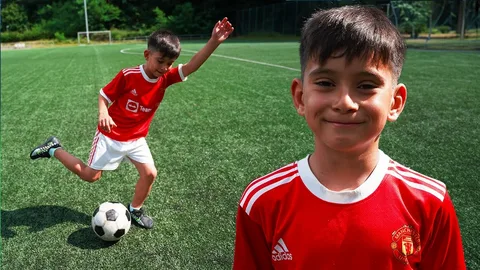
Super Best Friends Soccer creates these positive experiences through age-appropriate programs for children between 18 months and seven years. Rather than focusing only on technical soccer ability, the program combines movement, teamwork, encouragement, and fun to help children become more confident both on and off the field.
Building Strong Foundations for a Brighter Future
Soccer may begin with learning how to kick a ball, but its influence can reach much further. Through regular participation, children learn to communicate, cooperate, manage small disappointments, celebrate progress, and trust their own abilities.
Super Best Friends Soccer uses sport as a foundation for character development. Its programs give children opportunities to grow physically, socially, and emotionally in an environment where learning remains enjoyable.
Every child progresses differently. Some may quickly develop confidence in group games, while others may need several sessions before they are ready to participate fully. What matters is that each child receives the space, guidance, and encouragement needed to move forward.
By combining age-appropriate coaching with teamwork and play, Super Best Friends helps young children build skills they can carry into school, friendships, future sports, and everyday life. For Sydney parents seeking more than ordinary soccer lessons, it provides a place where children can have fun, feel supported, and gradually discover just how capable they can be.
Confidence Begins with a Safe and Supportive Environment
Young children are more willing to try new things when they feel safe, supported, and accepted. A child who is afraid of making a mistake may avoid joining activities, even when they are interested in them. Supportive coaching helps remove that fear.
At Super Best Friends, sessions are designed to make children feel welcome from the moment they arrive. Coaches use positive language, simple instructions, and engaging activities that match each age group’s ability. Children are not expected to perform perfectly. Instead, they are encouraged to participate, explore, and improve at their own pace.
This approach is especially helpful for children attending an organised activity for the first time. A toddler may initially remain close to a parent or hesitate to interact with other children. However, as the classes become familiar, that same child may begin joining warm-ups, following the coach, and participating more independently.
These gradual changes may seem small, but they represent important steps in a child’s emotional development. A supportive toddler soccer Sydney program can help children become comfortable in a structured group while still keeping the experience light, playful, and enjoyable.
Small Achievements Create Lasting Self-Belief
Children build confidence by experiencing success. This does not mean they need to win a match or score several goals. For young children, success can be as simple as controlling the ball, completing an obstacle course, remembering an instruction, or taking turns without assistance.
Every small achievement teaches a child an important lesson: “I can do this.”
Quality soccer training Sydney programs break activities into manageable steps so that children can develop without feeling overwhelmed. A coach may first demonstrate how to gently kick the ball, then allow the children to practise individually before turning the skill into a fun game.
When a child completes the activity, the coach’s encouragement reinforces the achievement. Over time, children begin to approach new challenges with greater confidence because they have learned that effort can lead to improvement.
This mindset can influence areas beyond soccer. Children who become comfortable learning new physical skills may also feel more willing to answer questions in class, make new friends, or participate in other group activities. They begin to understand that making mistakes is a normal part of learning rather than something to fear.
Playing with Others Develops Social Confidence
Confidence is not only about physical ability. It also includes feeling comfortable around others, expressing ideas, listening, sharing, and becoming part of a group.
Soccer naturally creates opportunities for social interaction. Children learn to wait for their turn, pass the ball, celebrate another player’s effort, and work towards a shared goal. These experiences help them understand that they are valuable members of a team.
For some children, joining a soccer program may be one of their first regular opportunities to interact with people outside their immediate family. They meet other children of a similar age, learn names, participate in group games, and become familiar with different personalities.
A well-structured kids soccer Sydney program allows these relationships to develop naturally. Children are not forced to socialise through formal exercises. Instead, friendships often begin while chasing a ball, laughing during a game, or celebrating a successful kick together.
As children become familiar with their teammates and coaches, they usually feel more comfortable communicating. A child who was quiet during the first few sessions may eventually begin greeting others, asking questions, or encouraging a teammate. This growing social confidence can support the transition into preschool, school, and other community activities.
Encouraging Coaches Make a Meaningful Difference
The way a coach communicates can shape a child’s entire experience with sport. Young children respond best to coaches who are patient, energetic, encouraging, and able to explain activities clearly.
Effective soccer coaching Sydney is not based on shouting instructions or expecting every child to learn in the same way. Children develop at different speeds, and each one has individual strengths, interests, and areas where they may need additional support.
The coaches at Super Best Friends aim to recognise these differences. A confident child may be encouraged to practise more advanced ball control, while a quieter child may receive extra reassurance before joining a group activity. This individual attention helps children feel noticed rather than compared.
Positive coaching also teaches children how to respond when something does not go as planned. Missing the ball or losing balance is treated as part of the activity, not as a failure. Coaches encourage children to try again, which helps build patience and resilience.
When children know that mistakes will be met with support rather than criticism, they are more likely to take healthy risks. That willingness to keep trying is one of the strongest foundations of genuine confidence.
Physical Development Supports Emotional Growth
Movement plays an important role in early childhood development. Running, jumping, balancing, turning, and kicking help improve coordination, strength, body awareness, and general fitness.
As children gain better control over their bodies, they often feel more capable and independent. A toddler who learns to move through an obstacle course without assistance may stand taller and participate more eagerly in the next activity. A six-year-old who improves their dribbling may become more confident using the ball during a group game.
Regular physical activity can also give children a healthy outlet for their energy. Instead of sitting through long, repetitive drills, they can stay active through games that are designed to be enjoyable.
Super Best Friends combines giggles with goals by using playful exercises that encourage both physical and personal development. Children can improve their soccer skills while building balance, listening ability, coordination, and confidence.
Parents searching for the best soccer academy in Sydney should therefore consider more than technical training. A strong junior program should also help children become active, curious, resilient, and comfortable expressing themselves.
A Sense of Belonging Helps Children Thrive
Children are more likely to feel confident when they know they belong somewhere. Attending a weekly soccer class gives them a regular routine, familiar coaches, known teammates, and activities they can look forward to.
This sense of belonging grows each time a child returns. At first, the field and people may seem unfamiliar. After several sessions, the child begins to recognise the class structure, understand what happens next, and feel like part of the group.
Parents often notice this progress outside the class as well. A child may talk excitedly about an activity, demonstrate a skill at home, or begin preparing independently for the next session. These behaviours show that the child is developing ownership of the experience.
Super Best Friends offers sessions for children aged from 18 months to seven years, with age groups designed around different developmental stages. Younger children can become comfortable with movement and group participation, while older children can build stronger soccer skills, teamwork, and independence.
This development-focused approach is one reason families may consider it when looking for the best soccer academy Sydney has to offer for young children.
Frequently Asked Questions
1. What age groups can join Super Best Friends Soccer?
Super Best Friends Soccer offers age-appropriate programs for children from 18 months to seven years. Classes are organised according to developmental stages so each child can learn in a comfortable and supportive environment.
2. How does soccer help young children become more confident?
Soccer gives children regular opportunities to try new activities, practise skills, work with others, and experience small achievements. Positive encouragement from coaches helps them become more comfortable taking part and trying again after mistakes.
3. Is toddler soccer suitable for children with no previous experience?
Yes. Toddler soccer programs are designed for beginners and focus on simple movements, balance, listening, coordination, and fun. Children can participate at their own pace without needing any previous soccer experience.
4. What skills can children develop through soccer training?
Children can improve balance, coordination, fitness, ball control, communication, teamwork, patience, and social confidence. These skills can also support their development at preschool, school, and in everyday situations.
5. Why should parents choose Super Best Friends Soccer?
Super Best Friends Soccer combines fun activities with structured learning and individual encouragement. The program focuses on confidence, character, teamwork, physical development, and age-appropriate soccer skills for young children in Sydney.