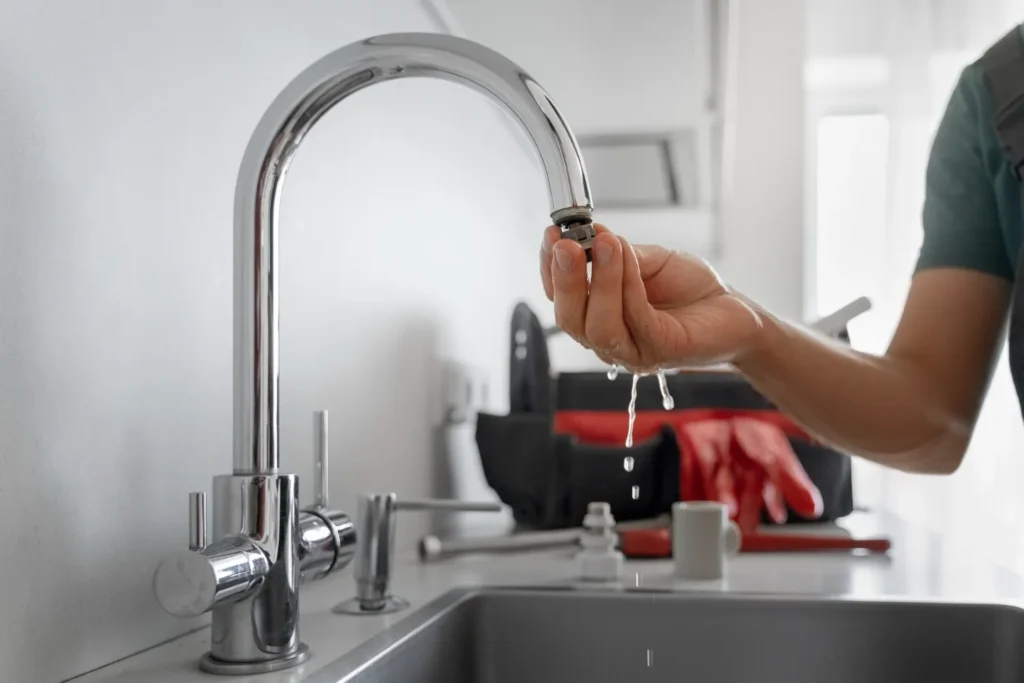
Emergency Plumbing Services
Modern plumbing emergencies require far more than a basic toolbox and a wrench. Professional plumbers now use specialized equipment, inspection technology, electronic detection devices, and advanced cleaning systems to diagnose problems accurately and restore plumbing systems efficiently. These tools are especially valuable when leaks, blockages, damaged pipes, or sewer problems occur in difficult-to-reach locations. Emergency Plumbing Services rely on the right combination of experience and technology to identify the source of an emergency without unnecessary damage to the property. Understanding these tools can help homeowners appreciate what professional plumbing technicians bring to an urgent repair.
Why Technology Matters in Emergency Plumbing
A plumbing emergency often creates pressure to find and fix the problem as quickly as possible, but speed should not come at the expense of accurate diagnosis. A visible puddle may not reveal where a pipe has actually failed, while a slow drain may be connected to a deeper obstruction. Modern diagnostic equipment allows plumbers to gather information about concealed plumbing systems before deciding how to proceed. This can reduce unnecessary excavation, wall removal, or replacement of components that are still functioning properly. Combining technology with practical plumbing knowledge allows technicians to approach emergencies more methodically and efficiently.
Professional tools are also valuable because residential plumbing systems can vary significantly in age, design, and materials. Older homes may contain outdated pipe materials, while newer properties can have complex layouts with concealed supply and drainage lines. A technician needs to understand how these systems work before selecting the appropriate diagnostic or repair method. Technology provides useful information, but it does not replace professional judgment or hands-on experience. The most effective emergency response usually combines careful inspection, appropriate equipment, and an understanding of plumbing principles.
Electronic Leak Detection Equipment
Finding a hidden leak can be one of the most difficult aspects of emergency plumbing work. Water can travel along framing, flooring, insulation, or other building materials before becoming visible, making the apparent location of damage different from the actual source. Electronic leak detection equipment can help technicians identify unusual moisture or sound patterns associated with concealed water movement. Depending on the situation, professionals may use acoustic devices, moisture meters, or other specialized detection equipment. These tools can help narrow the search area and reduce the need for unnecessary structural disturbance.
Moisture meters are particularly useful when a leak is suspected behind walls, beneath flooring, or around cabinets. They can help identify areas with elevated moisture levels that may not yet show obvious surface damage. Acoustic equipment can also assist in detecting the sound produced by pressurized water escaping from a hidden pipe. The exact technique depends on the construction of the property and the type of plumbing system involved. Professional interpretation remains essential because detection equipment provides measurements and signals that must be evaluated in context.
Sewer Cameras and Drain Inspection Technology
Drain and sewer problems can be difficult to diagnose because much of the system is underground or concealed beneath the property. Traditional troubleshooting may reveal that a drain is blocked without immediately showing why the blockage occurred. Camera inspection technology provides plumbers with a visual view inside accessible sections of drainage and sewer piping. A small waterproof camera can travel through the pipe while transmitting images to a monitor at the surface. This allows technicians to look for obstructions, damaged sections, root intrusion, buildup, or other conditions that may affect drainage.
Camera inspections are especially valuable when a homeowner experiences recurring backups or unexplained drainage problems. Instead of repeatedly clearing the same obstruction without understanding its cause, a plumber can inspect the interior of the line and identify potential structural issues. In some situations, the inspection may reveal a localized blockage that can be cleared without extensive work. In others, it may show damaged or deteriorated piping that requires a different repair strategy. This technology is an important component of modern Drain and Sewer Services because it provides information that traditional visual inspection cannot easily obtain.
High-Pressure Water Jetting Systems
Severe drain blockages sometimes require more powerful cleaning equipment than a conventional drain snake. Hydro jetting systems use highly pressurized water to remove buildup from the interior walls of suitable drainage pipes. The equipment can help break apart grease, mineral deposits, sludge, and other accumulated materials that restrict water flow. Professional technicians select pressure levels and specialized nozzles according to the condition and material of the plumbing system. Proper assessment is important because high-pressure equipment must be used carefully and appropriately.
Hydro jetting can be particularly useful when a drain repeatedly becomes restricted despite conventional clearing attempts. Instead of simply creating a passage through the blockage, the process can clean portions of the pipe interior more thoroughly. However, it is not appropriate for every plumbing situation, especially where pipes are severely damaged or structurally compromised. A qualified technician should evaluate the condition of the line before recommending high-pressure cleaning. This is another example of how modern Emergency Plumbing Services depend on both sophisticated equipment and professional judgment.
Advanced Drain Snaking Equipment
Drain snakes remain an important part of professional plumbing because many common blockages can be cleared mechanically. Modern drain machines are available in different configurations designed for sinks, toilets, branch drains, and larger lines. Specialized cables and cutting heads can help technicians reach obstructions that are located farther into a drainage system. Compared with basic consumer tools, professional equipment generally provides greater reach and control for demanding blockages. The technician’s experience is important because improper use can potentially damage pipes or push an obstruction deeper into the system.
Plumbers may choose mechanical drain cleaning when the blockage is localized and accessible with the appropriate equipment. The technique can be effective for hair, food debris, paper products, and other materials that restrict normal drainage. After clearing the obstruction, the technician may test the fixture or drainage line to confirm that water is flowing correctly. If the problem returns, additional investigation may be necessary to determine whether a deeper structural or drainage issue exists. This combination of mechanical cleaning and follow-up assessment helps prevent temporary solutions from becoming recurring problems.
Thermal Imaging and Moisture Mapping
Thermal imaging can provide another useful source of information during certain plumbing investigations. Infrared cameras detect differences in surface temperature that may indicate moisture behind walls, beneath floors, or around plumbing components. A leaking pipe can sometimes create a temperature pattern that differs from surrounding materials, helping technicians identify areas requiring closer inspection. Thermal imaging does not directly show a pipe leak in every situation, so it should be considered a diagnostic aid rather than an infallible test. Professionals interpret thermal images alongside visual observations and other measurements.
Moisture mapping can also help determine how far water has traveled after a plumbing failure. Identifying affected areas is important because visible damage may represent only a portion of the moisture problem. A technician can use appropriate measuring equipment to assess materials around the suspected leak and determine where additional attention may be necessary. This information can be particularly valuable when water has entered walls, flooring, cabinets, or other concealed spaces. Early identification can support more targeted repair and mitigation decisions.
Pipe Locating and Inspection Technology
Modern plumbing professionals may use electronic locating equipment to determine where underground or concealed pipes are positioned. This can be useful when a drainage line needs to be accessed, repaired, or inspected but its exact route is unknown. Locating technology can reduce guesswork and help technicians identify more precise areas for further investigation. In larger properties, knowing the approximate path of a buried line can save considerable time during an emergency. Accurate locating can also help reduce unnecessary excavation and disturbance to landscaping or other property features.
Some plumbing systems can also be evaluated using specialized inspection methods that provide information about pipe condition without immediately opening walls or digging through the ground. The available technology depends on the plumbing materials, accessibility, and nature of the emergency. A qualified professional will select equipment based on the specific circumstances rather than using advanced technology simply because it is available. The goal is always to gather useful information that leads to a practical repair decision. Technology is most effective when it serves a clear diagnostic purpose.
Tools Used for Emergency Pipe Repair
Once the cause of an emergency has been identified, plumbers may use specialized tools to repair or replace damaged components. Professional pipe cutters, press tools, threading equipment, joining systems, torque tools, and other equipment allow technicians to work with different types of plumbing materials. The appropriate tools depend on the pipe material, connection type, location, and applicable plumbing requirements. A quality repair should restore the integrity of the system rather than merely conceal visible damage. Professional workmanship is therefore just as important as the equipment being used.
In some emergencies, a temporary repair may be necessary to stabilize the system and prevent further water loss. This can give homeowners time to arrange a more extensive repair when specialized parts or additional access are required. A reputable technician should clearly explain when a solution is temporary and what follow-up work may be needed. This transparency helps homeowners make informed decisions about their property. The objective should be to restore safe and dependable plumbing performance while addressing the underlying cause of the failure whenever practical.
Technology Supporting Drain and Sewer Services
Drain and sewer work has benefited significantly from improvements in inspection and cleaning technology. Camera systems, electronic locating equipment, mechanical cleaning machines, and hydro jetting systems give professionals several ways to investigate and address difficult drainage problems. These technologies can help distinguish between a simple blockage and a more serious issue such as pipe deterioration or root intrusion. They also allow technicians to choose solutions based on evidence rather than relying entirely on assumptions. This can improve repair planning and help homeowners understand why a particular service is being recommended.
Modern Drain and Sewer Services can therefore be more targeted than traditional approaches. Instead of immediately excavating a yard or removing sections of flooring, a plumber may first inspect the accessible portion of the line with a camera. If the inspection identifies a specific problem, the technician can determine whether cleaning, localized repair, replacement, or another approach is appropriate. Not every sewer issue requires extensive excavation, and diagnostic technology can help establish when invasive work is actually necessary. This can potentially save time, reduce property disruption, and make emergency repairs more predictable.
Choosing a Plumbing Company With Modern Capabilities
Homeowners looking for Emergency Plumbing Services should consider whether a company has the appropriate tools and experience for the type of problem they may encounter. A professional provider should be able to explain its diagnostic process and identify when specialized equipment may be useful. Licensing, insurance, training, experience, and adherence to applicable local requirements are also important considerations. Customer reviews and recommendations can offer additional insight, although they should be considered alongside professional credentials and service quality. A reliable company should focus on accurate diagnosis and appropriate repairs rather than simply promoting expensive technology.
It is also reasonable for homeowners to ask whether diagnostic equipment carries additional charges and whether those costs will be explained before work begins. Not every emergency requires advanced imaging or camera inspection, so the equipment should be selected according to the actual problem. A trustworthy technician will explain why a particular tool is recommended and how the results could influence the repair decision. Clear communication helps homeowners understand what they are paying for and why. Ultimately, the value of technology comes from its ability to support accurate, efficient, and durable plumbing solutions.
Conclusion
Modern plumbing emergencies are increasingly managed through a combination of professional expertise and specialized technology. Electronic leak detection, sewer cameras, thermal imaging, hydro jetting systems, drain machines, pipe locators, and advanced repair tools can help technicians diagnose and resolve complicated problems more efficiently. These technologies are especially valuable when the source of a leak or blockage is hidden from view. However, equipment alone cannot replace the experience required to interpret findings and select an appropriate repair. By choosing qualified Emergency Plumbing Services with suitable diagnostic capabilities, homeowners can receive a more informed response when unexpected plumbing problems threaten their property.