Ottawa Radon Mitigation is a naturally occurring radioactive gas that can enter homes from the soil and rock beneath a building. Because it is invisible, odourless, and tasteless, homeowners cannot detect elevated levels without testing. Health Canada recommends corrective action when the annual average radon concentration in a normal occupancy area is above 200 Bq/m³.
For homeowners concerned about indoor air quality, ottawa radon mitigation is an important step after a test identifies elevated radon. Professional mitigation can reduce indoor radon and help create a healthier home environment.
Why Is Radon Mitigation Important in Ottawa?
Homes in Ottawa can have different radon levels depending on factors such as foundation design, soil conditions, ventilation, and construction. Ottawa Radon Mitigation can enter through cracks in foundation floors and walls, gaps around pipes, floor drains, sump pits, and other openings.
Testing is the first step because radon concentrations can vary considerably from one home to another. Health Canada recommends long-term testing, generally for at least three months, to obtain a more reliable assessment of a home’s average radon level.
If testing shows a level above the Canadian guideline, homeowners should consider professional mitigation rather than relying only on ventilation or sealing visible cracks.
How Does Ottawa Radon Mitigation Work?
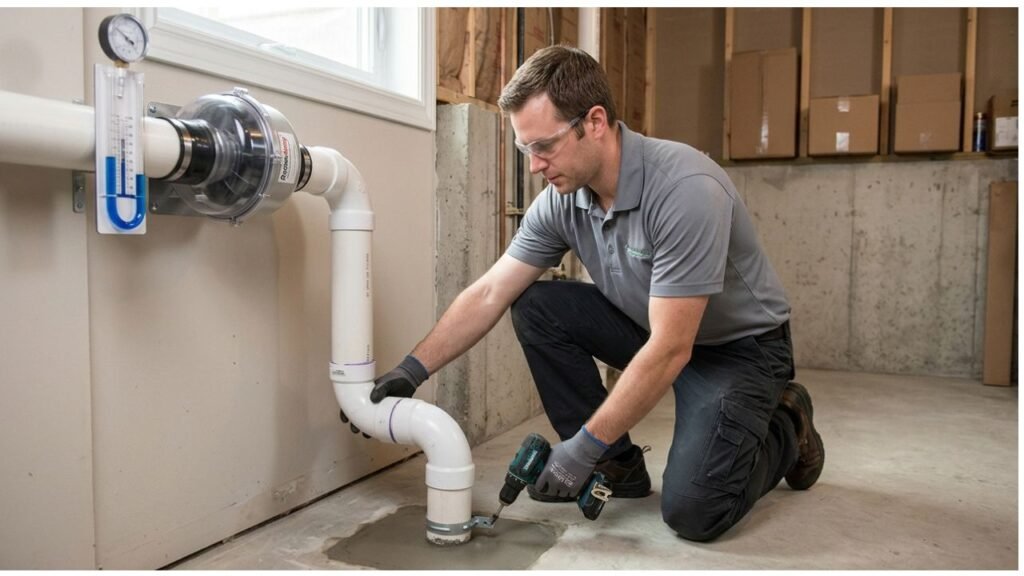
One of the most common approaches is active soil depressurization or sub-slab depressurization. A mitigation professional installs a pipe through the foundation floor or connects it to an appropriate area beneath the home. A fan then draws radon-containing soil gas from underneath the building and exhausts it safely outdoors.
Depending on the property’s construction, other measures may also be useful. These can include sealing significant radon entry points and improving balanced ventilation. However, the appropriate solution depends on the home’s structure and the measured radon concentration.
Choosing a Radon Mitigation Professional
Choosing a qualified professional is an important part of the mitigation process. Health Canada recommends using a radon mitigation professional certified through the Canadian National Radon Proficiency Program (C-NRPP).
Before hiring a contractor, homeowners can ask about:
- C-NRPP certification
- Experience with different foundation types
- The proposed mitigation method
- Fan and system specifications
- Post-installation radon testing
- Maintenance and follow-up requirements
A professional assessment can help determine which approach is appropriate instead of applying the same solution to every property.
What Happens After Installation?
Mitigation should not be considered complete simply because a system has been installed. Post-installation testing helps determine whether the system is effectively reducing radon.
Health Canada’s current guidance recommends a short-term test after the mitigation system is activated, followed by a long-term test during the first heating season. It also recommends regular inspection and retesting every five years.
For example, if a basement initially records a high radon concentration, a mitigation system may be installed and then evaluated with follow-up testing. The results provide useful evidence about whether additional adjustments are necessary.
Why Consider Professional Ottawa Radon Mitigation?
Professional mitigation provides a structured approach to reducing elevated radon. Health Canada states that mitigation systems can often be installed in less than a day and can reduce radon levels substantially in many homes.
The exact cost and installation requirements depend on the home’s size, foundation, layout, and mitigation needs. Therefore, homeowners should obtain an assessment and quotation based on their individual property rather than relying on a general price estimate.
Conclusion
Ottawa radon mitigation can be an important response when testing reveals elevated radon levels. Understanding your test results, selecting a qualified professional, installing an appropriate mitigation system, and completing follow-up testing are key parts of the process. Since every home is different, professional assessment can help identify a suitable solution for reducing radon and improving indoor air quality.
For homeowners looking for information about radon services in Ottawa, Ottawa Radon Pro provides services related to radon testing and mitigation.