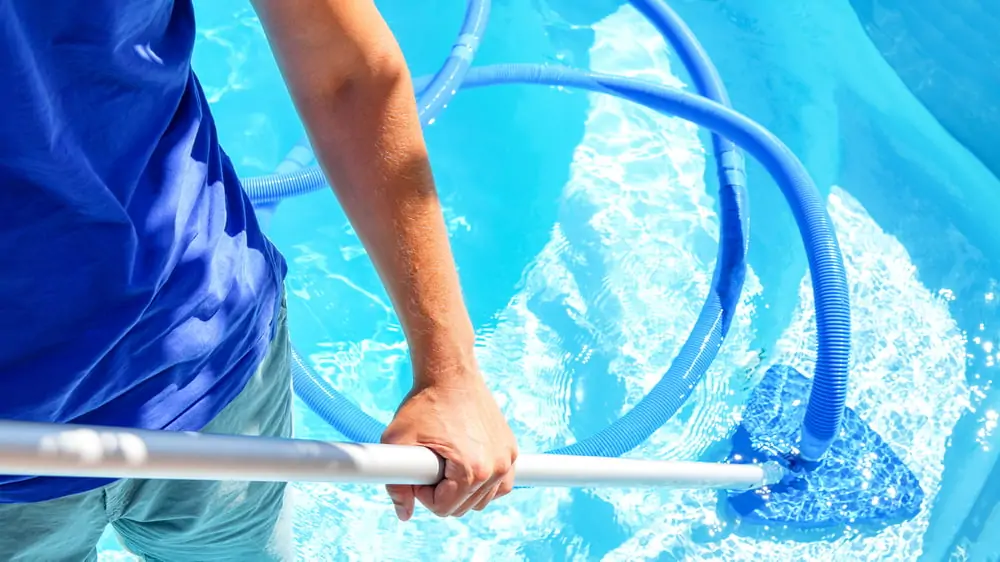
Swimming pools are one of the most used amenities a community can own, but keeping one open takes far more work than most boards expect. Your facility runs on a calendar that begins months before the first swimmer arrives and continues weeks after the last one leaves. Swimming pool management services cover that full cycle. By understanding what each phase includes, you can compare providers on scope rather than on price alone, and you can plan your budget around the real operating year.
Spring Opening Sets the Tone for Your Entire Season
A full opening covers far more than filling your pool. A standard spring startup includes:
- Removing winter covers and restarting circulation systems
- Backwashing filters and reassembling pumps and motors
- Bringing water chemistry back into range before the gate opens
- Staging deck furniture and checking safety equipment against current code
- Replacing faded signage, depth markers, and posted rules
In metro Atlanta, where swim season often begins in late April, this work happens on a tight schedule across dozens of properties at once. Providers who start early avoid the bottleneck that leaves your facility waiting on parts.
Pre-Season Inspection Catches Repairs Before Opening Day
Before your facility opens, a technician walks the site and documents what requires attention. Cracked tile, worn gaskets, failing lights, loose handrails, and aging drain covers surface during this review. You receive a parts and repair list with enough lead time to approve work and order materials. Facilities that skip this step usually meet the same problems in June, when one failed pump can close your pool for a week. Ordering a replacement motor in March also costs far less than rush shipping that part in July.
Permit Handling With Your Local Health Department
Georgia counties require current permits before a public pool admits swimmers, and each jurisdiction applies its own timeline and paperwork. Experienced providers file applications, schedule inspections, and correct deficiencies on your behalf. They keep chemical logs, staff certifications, and safety records organized so an inspector finds what they expect on the first visit.
Staffing, Training, and Daily Supervision on Your Deck
Recruiting starts in winter. Providers advertise positions, interview candidates, verify certifications, and run onboarding well before spring. Certified pool operators take responsibility for daily operations at your site, while experienced managers oversee schedules, rotations, and coverage gaps. Field supervisors visit unannounced, coach staff on deck, and document performance in writing. That layer of oversight separates real swimming pool management from a company that drops guards at your gate and checks back in August.
Chemicals, Supplies, and In-House Service Support
Contracts typically include every chemical required to hold water within health department limits, plus paper products and cleaning supplies for your restrooms and decks. An in-house service department matters here. When a heater fails, or a pump motor burns out mid-season, a provider with its own repair team sends a technician the same week instead of placing you in a third-party queue. During the off-season, that same department handles renovations, resurfacing, and equipment replacement without disrupting swimmers.
Programming That Fills Your Facility on Quiet Mornings
Swim lessons, swim teams, water aerobics, and rental events fill your deck on weekday mornings when it would otherwise sit empty. Providers who run instructional programs for all ages help you recover part of your operating budget through fees. Atlanta neighborhoods with active aquatic programming report stronger resident satisfaction and better renewal rates at apartment properties. Swimming pool management services should include this planning rather than treating it as an afterthought nobody owns.
Fall Closing, Post-Season Inspection, and Winter Care
Closing reverses the opening sequence. Crews lower water levels, blow out lines, winterize equipment, store furniture, and install covers. A post-season inspection follows, producing a repair list and renovation recommendations while your budget for next year remains open. Winter maintenance programs hold water chemistry in range through the cold months, which protects plaster, tile, and equipment. Facilities that shut down and walk away pay for that neglect each spring.
In conclusion, effective swimming pool management runs on a twelve-month calendar rather than a summer one. By knowing what belongs in each phase, you can hold your provider to a full-year standard and keep your facility open, compliant, and busy from opening day through Labor Day.