Recovery is an important part of maintaining physical health, particularly for people who participate in sports, exercise regularly, or experience muscle and tissue injuries. Scientists continue to investigate different biological processes involved in tissue repair, inflammation, and cellular regeneration. One compound that has attracted attention in discussions about recovery research is TB-500.
Although it is frequently discussed in connection with muscle recovery and tissue repair, understanding its scientific background requires looking beyond online claims. Examining its proposed mechanisms, available research, potential applications, and safety considerations helps provide a more balanced picture of what scientists currently know.
What Is TB-500?
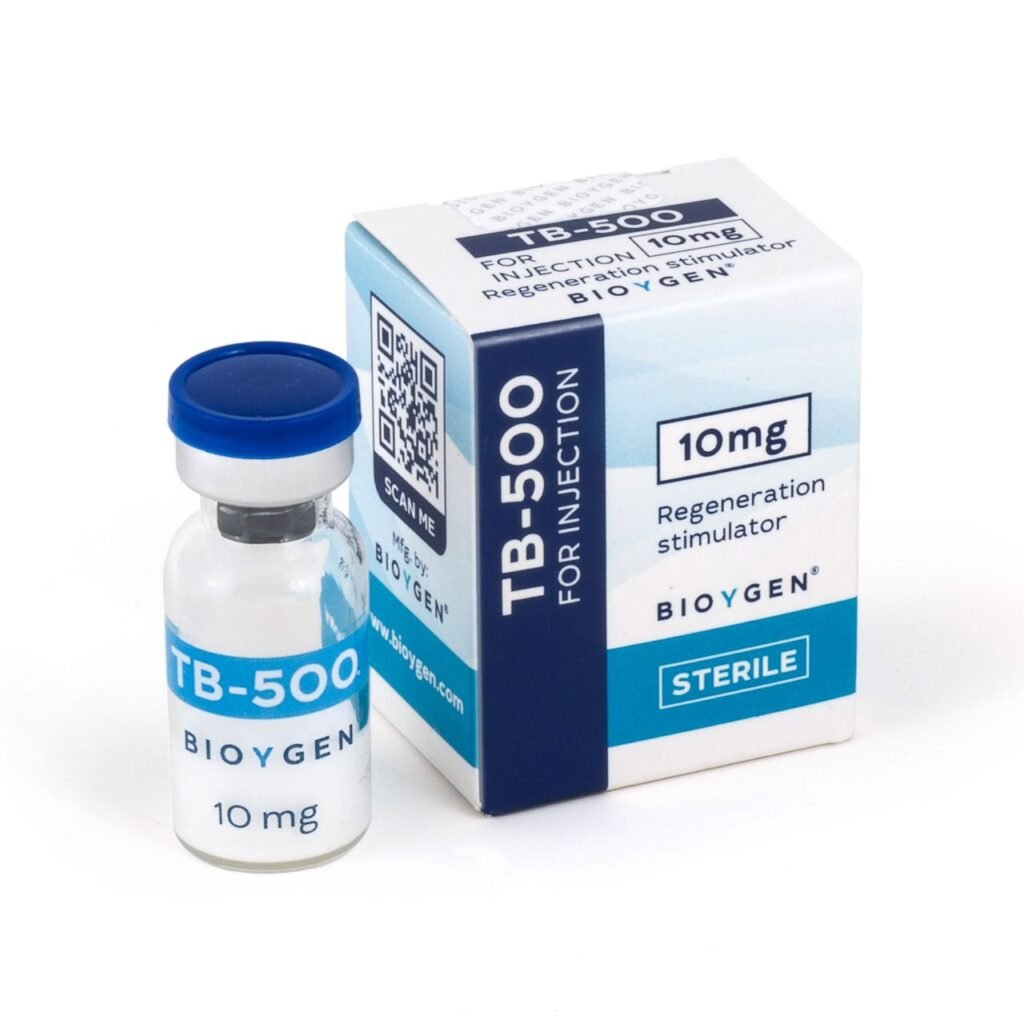
TB-500 is commonly described as a synthetic peptide associated with research into thymosin beta-4, a naturally occurring protein found in various tissues throughout the human body. Thymosin beta-4 is involved in several cellular processes, including cell movement, tissue maintenance, and wound-healing mechanisms.
Researchers have investigated thymosin beta-4 because of its potential involvement in biological activities that support tissue repair. TB-500 is marketed as a related research peptide, although it is important not to assume that findings involving naturally occurring thymosin beta-4 automatically apply to every TB preparation.
Understanding this distinction is essential when evaluating scientific information. A compound’s biological relationship to a naturally occurring protein does not establish its effectiveness or safety in humans.
The Science Behind Cellular Recovery
Tissue recovery involves several interconnected biological processes. When the body experiences an injury, it activates a coordinated response involving inflammation, immune activity, cellular communication, and tissue reconstruction.
Different types of cells contribute to this process. Fibroblasts help produce structural proteins, while immune cells participate in managing inflammation and removing damaged material. Blood vessels also play an important role by supplying oxygen and nutrients to recovering tissues.
Thymosin beta-4 has attracted scientific interest because laboratory research suggests that it may influence some of these cellular activities. Scientists have explored its relationship with actin, a protein that helps regulate cell structure and movement.
However, cellular activity observed in laboratory conditions does not necessarily produce the same results in humans. More clinical research is needed to understand whether these mechanisms translate into meaningful recovery outcomes.
How Researchers Investigate Tissue Repair
Scientists use several research methods to investigate compounds associated with tissue recovery. Laboratory experiments allow researchers to examine how cells respond under controlled conditions. Animal studies can provide additional information about biological activity within living organisms.
Clinical trials involving humans are particularly important because they help determine whether an intervention produces measurable benefits and whether potential risks outweigh those benefits.
Research involving thymosin beta-4 has examined areas such as wound healing and tissue protection. These investigations provide useful scientific background, but they should not be interpreted as proof that TB-500 is an established treatment for injuries.
When reviewing research, it is important to identify the exact compound being studied, the research model, the dosage used in the experiment, and the outcomes measured. These details help distinguish promising early findings from reliable clinical evidence.
Potential Interest in Muscle Recovery
Muscle recovery involves repairing microscopic damage, restoring normal function, and adapting to physical demands. Exercise places temporary stress on muscle fibres, while more serious injuries can require medical assessment and structured rehabilitation.
Because thymosin beta-4 has been studied in connection with cellular movement and tissue repair, researchers have considered its possible relevance to different recovery processes.
However, there is currently insufficient high-quality human evidence to establish that 500 improves muscle recovery, accelerates sports injury rehabilitation, or restores physical performance. Claims suggesting guaranteed results should therefore be approached cautiously.
Established recovery strategies remain important. Appropriate rest, balanced nutrition, progressive exercise, sufficient sleep, and professional rehabilitation provide a more reliable foundation for supporting physical recovery.
Understanding Inflammation and Tissue Health
Inflammation is a natural response that helps the body react to injury and harmful stimuli. During the early stages of healing, inflammatory activity helps coordinate immune responses and prepare damaged tissue for repair.
However, inflammation is a complex process. Its effects depend on the type of injury, the duration of the response, and the tissues involved.
Researchers studying thymosin beta-4 have explored its possible influence on inflammatory signalling and cellular protection. These areas are scientifically interesting because controlling the balance between inflammation and repair is an important part of tissue health.
Nevertheless, research findings should not be exaggerated. Evidence from laboratory experiments cannot establish that a related synthetic peptide safely manages inflammation or treats inflammatory conditions in people.
What Does Current Research Tell Us About TB 500?
The scientific discussion surrounding TB-500 requires a careful distinction between research into thymosin beta-4 and evidence specifically examining TB-500.
Studies of naturally occurring thymosin beta-4 have investigated several biological functions, including cell migration and wound-healing processes. Some early investigations have produced findings that justify further scientific exploration.
However, these results do not establish the clinical effectiveness of commercially marketed TB-500 products. Human safety, appropriate medical applications, long-term effects, and product consistency remain important unanswered questions.
Consumers should also understand that products advertised for laboratory research are not automatically suitable or approved for human use. Marketing descriptions and customer testimonials are not substitutes for controlled clinical trials.
Safety Considerations and Responsible Research
Safety is an essential consideration whenever an experimental peptide is discussed. Limited human evidence makes it difficult to establish reliable information about potential side effects, interactions, long-term risks, or appropriate medical use.
Product quality is another concern. Unregulated products may differ in purity, concentration, manufacturing standards, and contamination controls. These uncertainties can create additional risks.
Athletes should also be aware that substances related to thymosin beta-4 are prohibited under the World Anti-Doping Agency’s prohibited list. Competitive athletes should check the current rules applicable to their sport before considering any experimental substance.
Anyone experiencing an injury should seek advice from a qualified healthcare professional rather than relying on unapproved peptides or online recovery claims.
Recovery Strategies Supported by Established Science
Although experimental peptides continue to attract research interest, several established practices have stronger support for maintaining healthy recovery.
Important approaches include:
- Adequate sleep: Sleep supports normal physiological repair and helps maintain physical and mental performance.
- Balanced nutrition: Protein, carbohydrates, vitamins, and minerals contribute to normal muscle function and tissue maintenance.
- Progressive exercise: Gradually increasing physical activity allows the body to adapt without unnecessary strain.
- Hydration: Maintaining fluid balance supports normal circulation and physical performance.
- Professional rehabilitation: Physiotherapists can develop appropriate recovery programmes based on individual injuries and physical needs.
These strategies provide a practical starting point for people interested in improving recovery while avoiding unverified treatment claims.
The Importance of Evidence-Based Peptide Research
Scientific investigation into peptides continues to develop, but researchers must establish several important factors before a compound can be considered a reliable medical treatment.
These include identifying its exact molecular structure, understanding how it behaves inside the body, examining possible side effects, and conducting properly controlled human clinical trials.
The distinction between laboratory research and proven medical treatment is particularly important when discussing experimental recovery compounds. Without sufficient human evidence, it is impossible to make reliable conclusions about effectiveness, safety, or long-term outcomes.
Accordingly, TB 500 should be understood as an experimental research compound rather than an established recovery treatment. Its proposed biological activities require further investigation before meaningful clinical conclusions can be drawn.
About adoniselitepeptides
adoniselitepeptides is a brand associated with the peptide research market. When exploring products and educational information related to this category, readers should pay attention to product descriptions, ingredient identification, quality information, and applicable regulatory requirements.
It is important to distinguish research-related information from established medical guidance and avoid assuming that commercially available research products are approved or suitable for human consumption. Responsible communication about experimental peptides should prioritise scientific transparency, accurate information, and awareness of potential safety limitations.
Conclusion
Research into cellular recovery and tissue repair continues to offer interesting opportunities for scientific investigation. Thymosin beta-4 has attracted attention because of its involvement in several biological processes, including cell movement and tissue maintenance. However, the evidence specifically supporting TB 500 remains limited, particularly regarding human safety and effectiveness.