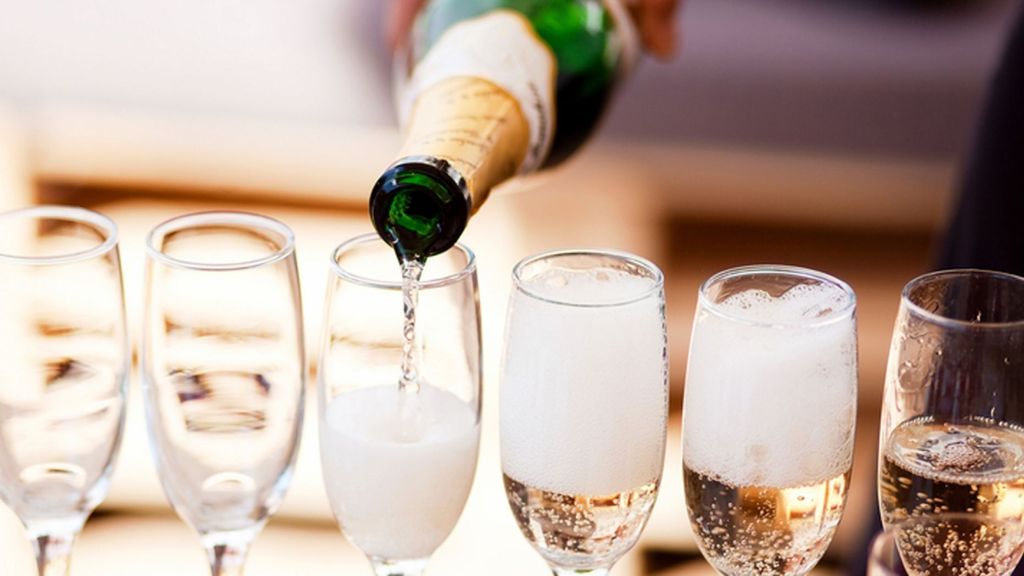
Celebrations and special occasions often call for a sparkling beverage that brings people together. Whether you are hosting a wedding, attending a family gathering, celebrating a milestone, or simply choosing a healthier lifestyle, alcohol-free sparkling drinks have become increasingly popular.
Among these options, non alcoholic champagne-style beverages offer the elegance, bubbles, and festive feel of traditional sparkling wines without the alcohol content.
With more brands entering the market, finding the right bottle can feel overwhelming. This guide will help you understand what to look for, how to compare different products, and how to choose the best option for your needs.
Understanding Alcohol-Free Sparkling Beverages
Many people use the term non alcoholic champagne to describe sparkling drinks that resemble traditional champagne. However, true Champagne is produced exclusively in the Champagne region of France and follows strict regulations. Alcohol-free alternatives are typically sparkling wines that have undergone a dealcoholization process or sparkling grape-based beverages crafted to mimic the taste and experience of champagne.
These products are designed to deliver the celebratory atmosphere associated with sparkling wine while remaining suitable for those who avoid alcohol.
Why More Consumers Are Choosing Alcohol-Free Options
The demand for alcohol-free beverages has grown significantly in recent years. Many consumers are becoming more health-conscious and are looking for ways to reduce alcohol consumption without sacrificing social experiences.
Some common reasons people choose alcohol-free sparkling drinks include:
- Health and wellness goals
- Pregnancy and breastfeeding considerations
- Religious or cultural preferences
- Designated driving responsibilities
- Workplace events and corporate functions
- Personal lifestyle choices
These beverages allow everyone to participate in celebrations while enjoying a sophisticated drink.
Key Factors to Consider Before Buying
When shopping for a non alcoholic champagne, there are several important factors to evaluate.
Taste Profile
Just like traditional sparkling wines, non alcoholic champagne come in a variety of flavor profiles. Some are crisp and dry, while others are sweeter and fruitier.
Look for tasting notes on the label, such as:
- Citrus
- Green apple
- Pear
- Peach
- Floral notes
- Brioche or toasted flavors
If you prefer a traditional sparkling wine experience, choose a dry style with balanced acidity.
Production Method
The quality of an alcohol-free sparkling beverage often depends on how it is made.
Many premium producers start with real wine and carefully remove the alcohol through specialized processes such as vacuum distillation or reverse osmosis. This helps preserve the original aromas and flavors.
Others create sparkling grape beverages from juice concentrates. While these can be enjoyable, they may have a sweeter and less complex taste.
Sugar Content
Sugar levels vary significantly between brands. Some bottles contain very little added sugar, while others are noticeably sweet.
Consumers seeking healthier options should check nutrition labels and compare sugar content before purchasing. Lower-sugar varieties often provide a more refined and balanced drinking experience.
Carbonation Quality
The bubbles are a major part of any sparkling beverage. High-quality products typically feature fine, persistent bubbles that create a luxurious mouthfeel.
Poorly carbonated options may lose their fizz quickly and feel less satisfying during celebrations.
Ingredients
Always review the ingredient list. Premium products generally contain fewer artificial additives and focus on natural ingredients.
Look for beverages made with quality grapes and natural flavor components whenever possible.
Popular Styles Available
Today’s market offers a wide range of alcohol-free sparkling beverages designed to suit different preferences.
Dry Sparkling Varieties
These are ideal for people who enjoy the crisp and refreshing characteristics commonly associated with sparkling wine. They pair well with appetizers, seafood, and light meals.
Rosé Sparkling Options
Rosé versions often feature berry flavors and an attractive pink color. They are popular for weddings, brunches, and outdoor gatherings.
Sweet Sparkling Choices
Sweeter options appeal to those who enjoy fruit-forward flavors. These beverages can also serve as dessert pairings.
Premium Vintage-Inspired Selections
Some producers focus on creating sophisticated products that closely replicate the complexity of traditional sparkling wine. These bottles often command higher prices but may offer a more authentic experience.
How to Match the Beverage to the Occasion
Different celebrations call for different styles.
Weddings and Formal Events
For elegant occasions, choose a premium alcohol-free sparkling wine with a dry finish and refined bubbles. Presentation matters, so consider attractive bottle designs as well.
Family Gatherings
A versatile option with balanced sweetness tends to satisfy a wide range of guests.
Corporate Functions
Professional events benefit from sophisticated beverages that appeal to diverse attendees while maintaining an inclusive atmosphere.
Holiday Celebrations
Festive gatherings often pair well with richer, fruit-forward sparkling drinks that complement seasonal foods.
Understanding Price Ranges
Price does not always guarantee quality, but it can provide clues about production methods and ingredients.
Budget Options
Affordable bottles are suitable for casual gatherings and larger events where quantity is important.
Mid-Range Selections
These products often offer a strong balance between quality and value. Many consumers find this category provides the best overall experience.
Premium Bottles
Higher-priced options frequently use advanced production methods and higher-quality ingredients. They are ideal for special occasions and gifting.
Tips for Serving and Storage
Proper serving techniques can significantly improve the drinking experience.
Serving Temperature
Non alcoholic champagne should be chilled before serving. A temperature between 6°C and 8°C (43°F to 46°F) is generally recommended.
Glassware
Flutes help preserve carbonation and showcase the bubbles. However, tulip-shaped glasses may enhance aroma perception.
Storage
Store bottles in a cool, dark location away from direct sunlight. Once opened, use a sparkling wine stopper to maintain carbonation and freshness.
Common Mistakes to Avoid
When purchasing alcohol-free sparkling beverages, avoid these common errors:
- Choosing solely based on packaging
- Ignoring ingredient labels
- Overlooking sugar content
- Buying without reading customer reviews
- Serving at room temperature
- Assuming all products taste the same
Taking time to compare options can lead to a much more enjoyable experience.
Final Thoughts
The growing popularity of non alcoholic champagne alternatives has created an exciting market filled with diverse options for every taste and budget. Whether you are planning a major celebration or simply looking for a sophisticated alcohol-free beverage, understanding factors such as flavor profile, production method, sugar content, and carbonation quality can help you make an informed decision.
By selecting the right bottle for your occasion and serving it properly, you can enjoy all the elegance and excitement of a sparkling celebration without the presence of alcohol. As more producers continue to innovate, consumers now have access to better quality and greater variety than ever before, making it easier to find a sparkling beverage that perfectly suits their preferences.