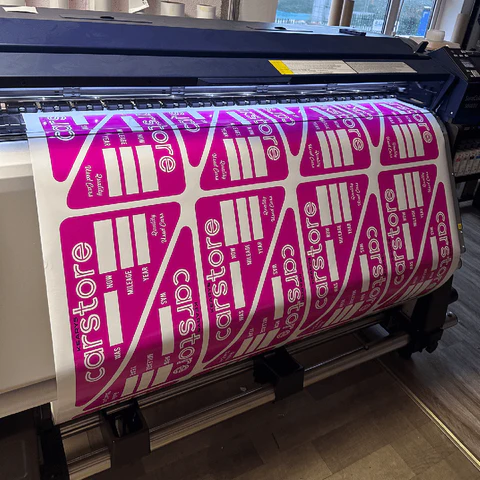
Nobody thinks twice about a sticker on a jar or a box, it just sits there, unremarkable, quietly doing its job telling someone what’s inside. But add up how many times a person actually handles a product before deciding whether to trust it, and that little sticker’s carrying more weight than most business owners ever give it credit for. Well made custom sticker labels do something a lot of small businesses overlook completely, they turn an ordinary product into something that looks considered, intentional, worth paying a bit more for. Truth is, packaging’s often the very first physical contact a customer has with a brand, before the product’s even been opened, and a cheap or badly printed label undercuts that first impression before anyone’s even got the lid off.
Why Small Details Carry More Weight Than People Assume
Let’s be real, most people aren’t consciously studying a label when they pick something off a shelf. But they’re absorbing it anyway, whether they clock it or not. A sharp, well-designed label signals quality almost instantly, clean edges, proper colour, a finish that feels intentional rather than printed off in a rush on the cheapest paper going. A poorly made one does the opposite, even when the product itself is genuinely excellent underneath. That mismatch, great product, weak packaging, happens constantly with small businesses and independent makers, and honestly it’s one of the easier things to fix once someone actually points it out to them.
What Goes Into Getting This Right
People assume ordering labels is basically picking a template online and uploading a logo, five minutes, done. Can be that simple for the most basic needs, sure. But proper label work involves a fair bit more thought than that. Material choice matters, matte versus gloss, waterproof options for anything getting handled with wet hands or stored somewhere humid, different adhesives depending on the surface it’s actually going onto, glass, plastic, cardboard, they all behave differently under the same conditions. Then there’s the design itself, fitting branding clearly into often quite small dimensions, trickier than it sounds once you’re trying to squeeze a logo, product name, and required info onto something the size of a coin.
Durability and Why Cheap Printing Fails Fast
This is where a lot of businesses get caught out without even realising it until it’s already a problem. Cheap printing fades, smudges, or peels within weeks, especially on anything handled repeatedly or stored somewhere with temperature swings, a fridge, a car boot, direct sun through a shop window. That degraded look does real damage too, a faded or peeling label makes even a genuinely great product look neglected or past its best, regardless of what’s actually inside it. Quality material and proper printing hold up far longer, keeping that first impression sharp for the full life of the product rather than just the first few weeks it’s sitting on a shelf.
Where This Fits Into the Bigger Branding Picture
Labels don’t exist on their own, they’re one piece of a much wider consistency puzzle running across everything a business touches. Same colours and fonts showing up on packaging should ideally match the shopfront sign, the van parked outside, even something further removed like outdoor wayfinding signs on a bigger site if the business operates across multiple buildings or units. Might sound like a stretch for someone just selling jam at a Saturday market, but the underlying logic holds regardless of scale, consistency builds recognition faster than any single standout piece manages by itself, whether that piece is a label, a van, or a directional sign pointing someone to the right unit.
Seasonal Campaigns and Temporary Use Cases
Not every label is permanent either. Seasonal promotions, limited runs, event-specific packaging, all of it calls for labels that still look sharp even though they’re only meant to last a few weeks or months at most. A cheap looking seasonal label undercuts a promotion almost as fast as a badly made permanent one undercuts the everyday product line sitting next to it. Getting this right for short runs takes a slightly different approach, sometimes cheaper materials genuinely make sense given the shorter lifespan needed, but the design quality itself shouldn’t drop just because the run’s temporary.
Practical Considerations Businesses Often Miss
A few things trip people up regularly here, worth flagging. Adhesive strength matters more than people expect going in, a label lifting at the corners after a week in a fridge looks worse than no label at all in some ways honestly. Print resolution matters too, especially for fine text or detailed logos, since low resolution turns crisp branding into something blurry and cheap looking the second it’s actually applied to a real product rather than viewed on a screen. Sizing needs proper thought as well, a label too small to read comfortably fails at its basic job no matter how nicely it’s designed, while one too large just looks clumsy and amateurish stuck on a smaller product.
Why This Matters More for Small Producers Specifically
Small and independent businesses often compete directly against bigger brands with far larger marketing budgets, and packaging’s one of the few areas where that gap can actually be closed fairly cheaply. A small producer with sharp, well-made labels can look just as polished on a shelf as a much larger competitor, even without coming close to matching their ad spend. That’s a genuine opportunity a lot of small businesses leave sitting there unused, treating labels as a minor afterthought instead of one of the more affordable ways to compete visually against much bigger players in the same space.
The Bottom Line
The short answer here is packaging details matter more than most people assume, and custom sticker labels are one of the cheapest, most effective ways to close the gap between a genuinely good product and one that actually looks the part sitting on a shelf. Whether it’s a small batch of jam jars at a local market or a wider product line stocked in shops around the county, the underlying principle stays the same as it does with bigger signage projects like outdoor wayfinding signs guiding visitors across a site, consistency and quality quietly build trust over time, even when nobody’s consciously thinking about why a particular brand just feels more reliable than the one sitting next to it. Get the materials and printing right, and that small sticker keeps doing its quiet job for as long as the product’s on the shelf.