Nobody plans for a collision. One minute you’re driving your Tesla home, and the next you’re standing in a parking lot staring at a crumpled quarter panel. The decision most people make in that moment — which shop to call — ends up mattering a lot more than they expect.
A lot of Tesla owners assume any decent body shop can handle the repair. That assumption costs people money, warranty coverage, and sometimes safety. Teslas are not built the way other cars are built. The repair process reflects that.
The Car Itself Changes Everything
Pull back the bodywork on a Tesla and you’re looking at a mix of aluminum alloys, high-strength steel, and composite materials working together as a system. Each material has its own repair requirements. Aluminum, for instance, doesn’t respond to the same welding methods as steel. Use the wrong process and you’ve weakened the panel structurally, even if it looks fine from the outside.
Beyond the body materials, every Tesla has sensors woven into the exterior — cameras, radar, ultrasonic units. These run Autopilot, automatic emergency braking, lane assist. They sit inside bumper covers, behind mirrors, near the windshield base. A collision shifts things. Not always visibly. A sensor that’s a few degrees off its calibrated position can still affect how your car detects a vehicle braking ahead of you.
That’s before you even get to the high-voltage battery system, which has its own handling requirements that most general shops have never been trained on.
What a Certified Shop Has That Others Don’t
Tesla doesn’t hand out approvals loosely. To operate as a Tesla-approved collision center, a shop has to meet specific standards covering equipment, technician training, and documented repair procedures. They get access to Tesla’s internal repair documentation — the actual step-by-step processes Tesla expects shops to follow. That access gets updated as Tesla changes its procedures. Non-certified shops don’t receive it.
What that means when your car comes in for repair:
Parts sourced correctly. Many Tesla components are VIN-locked. They’re programmed to communicate with your specific vehicle. A certified shop pulls parts through Tesla’s supply chain. Some uncertified shops substitute aftermarket components without flagging it. That substitution can create system errors that don’t surface immediately.
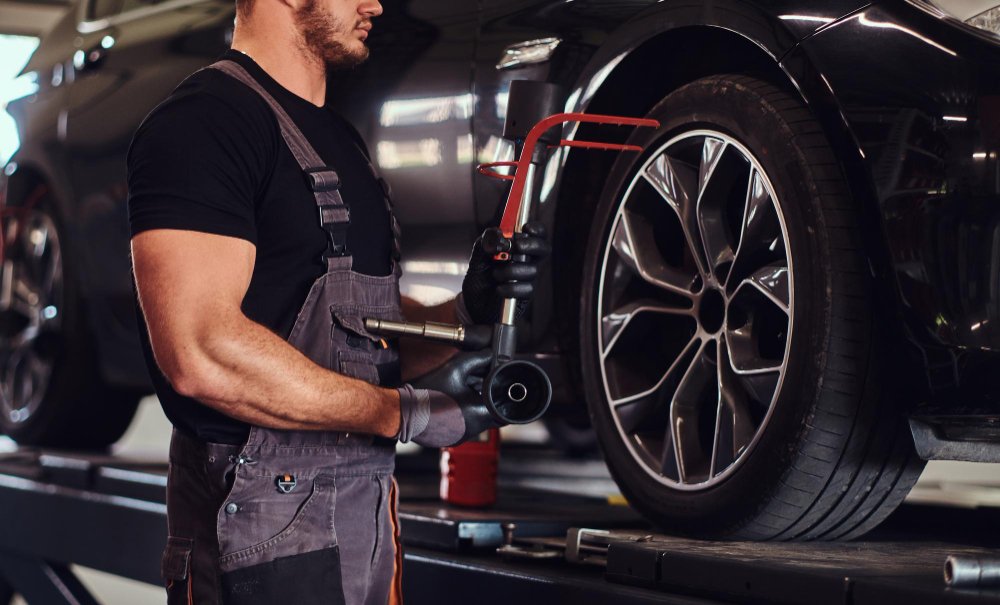
Aluminum handled properly. Rivet bonding systems, isolated work bays, aluminum-rated equipment. Certified shops have these because Tesla requires them. Without the right setup, a structurally significant repair can look clean and still be wrong.
Sensors recalibrated before you leave. After any repair touching a sensor zone, a certified shop runs Tesla’s required verification process. Your Autopilot cameras and collision detection systems get tested against spec. This step often doesn’t happen at non-certified shops — not because they’re careless, but because they don’t have the equipment.
Warranty stays clean. Tesla audits repair history on warranty claims. Work done outside Tesla’s documented procedures gives them grounds to deny coverage. It doesn’t matter how good the paint looks.
Being Honest About Non-Certified Shops
Good independent body shops exist. Plenty of them do excellent work on conventional vehicles. This isn’t a blanket criticism.
The specific problem with Tesla repairs is access. Without Tesla’s repair documentation, a non-certified shop is working from general training and whatever diagnostic tools they already own. For a straightforward cosmetic repair on a non-sensor panel, that might be fine. For anything near the battery enclosure, the structural frame, or sensor-embedded body sections, that knowledge gap creates real exposure.
Here’s what often happens: the visible damage gets repaired correctly. The car looks right. The shop signs off. But nobody ran the sensor calibration because the equipment wasn’t there. Nobody checked the battery enclosure because the shop didn’t have Tesla’s inspection protocol. The car goes back on the road carrying hidden issues.
Resale adds another layer. Buyers pull vehicle history. A repair documented at a Tesla-certified body shop tells them the work was done to standard. A repair at an uncertified shop, regardless of how it turned out, introduces uncertainty — and uncertainty in a negotiation always favors the buyer.
Practical Considerations Before You Choose
Insurance matters here more than people often realize. Several major carriers maintain direct repair agreements with certified Tesla shops. Going through one of those arrangements typically means faster claim processing and fewer coverage disputes.
On pricing: non-certified shops usually quote lower. That gap looks straightforward until you factor in warranty risk, the possibility of rework, and what the repair history does to resale value. The math changes.
One more thing worth stating plainly — small accidents deserve real inspections too. A parking lot bump at low speed can push a bumper sensor off calibration. You won’t feel it driving home. A certified shop will catch it. Many others won’t know to look.
Spectrum Auto Inc.: Built for This Kind of Work
Spectrum Auto Inc. has been doing collision repair in New York for over 30 years. Their shops in West Nyack, Cortlandt, and Wurtsboro carry full Tesla certification, making them a recognized Tesla-approved collision center in the region. Every technician holds I-CAR Platinum credentials. The shop itself holds I-CAR Gold Class status, which sits at the top tier of industry recognition for collision repair. They use genuine Tesla OEM parts on every repair, follow Tesla’s procedures to the letter, and back all Tesla work with a lifetime warranty. They work directly with all major insurance carriers too, which takes a significant amount of friction out of the claims process when you’re already dealing with the aftermath of an accident.
FAQs
- Does a non-certified repair automatically void my Tesla warranty?
Not automatically. But it creates real exposure. When a warranty claim comes in, Tesla looks at the repair history. If the work touched structural components, battery systems, or ADAS sensors without following Tesla’s documented process, denial becomes likely — not just possible.
- Will the shop deal with my insurance company so I don’t have to?
At Spectrum Auto Inc., yes. They’re on direct repair programs with all major carriers and handle the documentation on your behalf. You don’t have to play middleman between the shop and your insurer.
- How do I actually confirm a shop is Tesla-certified?
Go to Tesla’s website and search their approved facility directory by location. Don’t rely on what a shop tells you about itself. The directory is current and publicly accessible.
- Does every collision mean my sensors need recalibration?
Not every one. But any impact that affects bumpers, the windshield area, or side panels near sensor locations warrants a proper check. A certified shop runs that diagnostic as part of the repair process. Without the right equipment, most non-certified shops can’t run it at all.