Fashion Should Work for Everyone
Fashion is a form of personal expression, but its value goes beyond appearance. Clothing should also help people feel comfortable, confident, and ready for everyday activities. Different people have different preferences, body shapes, mobility needs, and comfort requirements, which means a single approach to fashion cannot work equally well for everyone. Inclusive design encourages brands and shoppers to think about these differences when choosing garments. Streetwear is particularly interesting in this context because relaxed silhouettes, layering, and practical everyday pieces offer many opportunities to create outfits that reflect individual needs without sacrificing personal style.
Understanding the Importance of Comfortable Clothing
Comfort influences how often people wear particular garments and how confident they feel throughout the day. Tight waistbands, restrictive sleeves, heavy fabrics, or difficult fastenings can make an otherwise attractive item less practical. Clothing that allows natural movement may be more suitable for long commutes, study sessions, workdays, and social activities. When exploring Supreme Clothing, shoppers can consider the garment’s intended use alongside its appearance, paying attention to fit descriptions, construction details, and available measurements. Choosing clothes with practical features helps make everyday dressing easier and supports a more individual approach to style.
Designing for Different Body Shapes
Inclusive fashion recognizes that people do not all share the same proportions or preferred silhouettes. Some prefer oversized clothing, while others feel more comfortable in regular or fitted designs. Clear size charts and detailed garment measurements can help shoppers understand how an item may fit before making a purchase. Brands can also improve the shopping experience by presenting clothing information in a straightforward and consistent way. Rather than treating one silhouette as the standard for everyone, thoughtful styling encourages people to choose shapes that suit their preferences. Personal comfort should remain an important part of deciding what looks and feels right.
The Value of Functional Details
Small design decisions can make a noticeable difference in how clothing works during everyday activities. Easy-to-use fastenings, practical pockets, adjustable elements, and flexible waistbands may improve convenience for different wearers. The usefulness of each feature depends on the person and the situation, so shoppers should look for details that address their particular needs. A garment can be visually simple while still offering thoughtful functionality. Considering these details before purchasing can prevent disappointment and help people build wardrobes that support their daily routines. Practical design is not separate from fashion; it is one of the ways clothing becomes more useful.
Streetwear and Freedom of Movement
Streetwear often includes relaxed trousers, roomy outerwear, graphic tops, and comfortable footwear. These elements can provide styling flexibility, although the actual comfort of any garment depends on its cut, materials, and construction. Someone who spends much of the day moving between different environments may prioritize lightweight layers and clothing that does not restrict movement. A Supreme Hoodie might be considered as part of a casual outfit, but shoppers should assess its actual measurements and design rather than assuming every hoodie offers the same fit. Understanding individual requirements makes it easier to choose garments for regular use.
Accessible Online Shopping Experiences
Online fashion stores can make shopping more convenient when product information is easy to find and understand. Clear photographs, readable descriptions, accurate size charts, and straightforward navigation help customers compare products without unnecessary confusion. Accessible websites should also consider keyboard navigation, image descriptions, legible text, and compatibility with assistive technologies. These improvements benefit people with different abilities and can make the overall shopping experience smoother for everyone. When product details are presented clearly, shoppers can make more informed decisions and feel more confident about choosing clothing that meets their needs.
Rethinking Traditional Fashion Standards
Fashion has often promoted narrow ideas about how particular garments should be worn or who should wear certain colors and silhouettes. Contemporary personal style offers more room for individual interpretation. People can combine relaxed tailoring with athletic basics, choose bold graphics, or prefer understated clothing regardless of traditional expectations. A Supreme Hooded Sweatshirt can be styled in different ways depending on the wearer’s preferences, comfort, and daily activities. The important point is not to follow a fixed formula but to recognize that clothing can serve different purposes for different people while remaining a meaningful form of self-expression.
Inclusive Styling Without Losing Individuality
Inclusive fashion does not require everyone to dress alike. Instead, it encourages more choices and recognizes that people express themselves through different combinations of colors, textures, proportions, and accessories. Some may prefer monochromatic outfits, while others enjoy expressive prints and layered looks. Personal style develops when individuals have the freedom to explore what works for them. Practical considerations can guide these choices without limiting creativity. By focusing on individual preferences rather than rigid expectations, streetwear becomes a flexible way to build outfits that feel authentic and appropriate for a wide range of everyday situations.
London’s Influence on Diverse Street Style
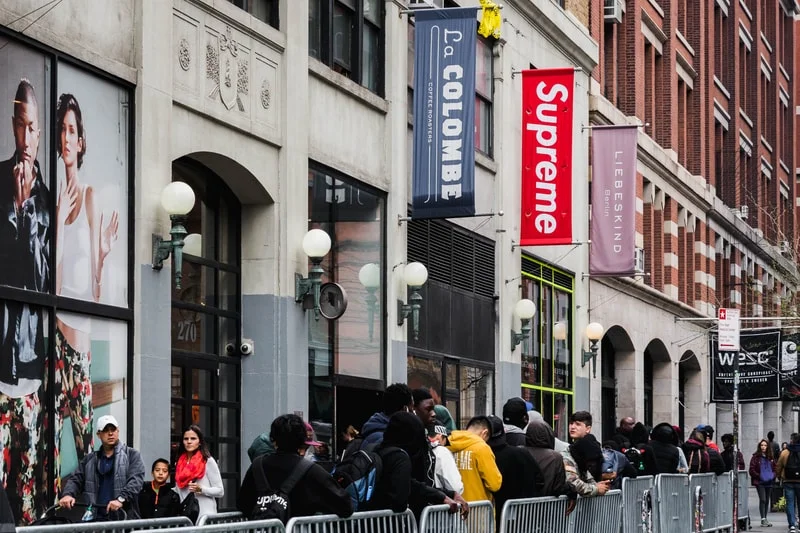
London has a long-established reputation for varied street fashion, shaped by its many communities, creative scenes, and different approaches to dressing. This diversity demonstrates how the same clothing category can be interpreted in many ways. The idea of Supreme London can serve as a starting point for considering the wider relationship between streetwear and urban self-expression. People may draw inspiration from relaxed layering, practical footwear, graphic clothing, or unexpected color combinations. Rather than copying a particular look, observing different styles can encourage individuals to identify the details that suit their own needs and personalities.
Materials and Sensory Preferences
Fabric choice can strongly influence the experience of wearing a garment. Some people prefer soft, lightweight materials, while others value structure, durability, or a particular texture. Seams, labels, stitching, and fabric weight can also affect comfort for individuals with sensory sensitivities. Product descriptions that accurately explain materials and construction help shoppers assess whether a garment is likely to meet their preferences. When this information is unavailable, contacting the retailer for clarification may be useful. Considering these factors makes clothing selection more thoughtful and recognizes that comfort can involve more than size alone.
The Role of Clear Product Information
Accurate information helps customers understand what they are buying and reduces uncertainty. Product pages should ideally explain fabric composition, measurements, care instructions, available sizes, and relevant design features. Photographs from different angles can help communicate shape and construction, while consistent sizing information makes comparison easier. Retailers should avoid making unsupported claims about fit, durability, or functionality. Honest descriptions allow customers to make decisions based on their own priorities. A better-informed purchase can also reduce the inconvenience of returns and help shoppers develop a wardrobe that suits their needs more reliably.
Caring for Clothing and Extending Its Life
Inclusive fashion also benefits from practical garment care. Clothing that is easy to wash, store, and maintain can be more convenient for people with different schedules and abilities. Simple care labels, understandable washing instructions, and durable construction can help customers keep garments in usable condition. Small repairs may extend a garment’s life, while thoughtful storage can make frequently worn items easier to locate. The best care routine depends on the fabric and the individual’s circumstances. Choosing manageable clothing-care practices helps people maintain their wardrobes without creating unnecessary work or expense.
A More Thoughtful Future for Streetwear
The future of fashion can offer greater variety by combining creativity with accessibility and practical design. Designers, retailers, and customers all contribute to a culture in which clothing is evaluated not only by appearance but also by comfort, usefulness, and the quality of the shopping experience. Inclusive thinking can encourage clearer product information, broader choices, and greater attention to different everyday requirements. Streetwear already offers considerable freedom through its adaptable silhouettes and casual character. With more thoughtful decisions, it can become even more welcoming to people who want clothing that supports their lifestyle and reflects their personality.
Choosing Fashion on Your Own Terms
Ultimately, good personal style should help people feel comfortable being themselves. There is no single fit, fabric, or outfit that works for every person, and that diversity is part of what makes fashion interesting. By considering comfort, accessibility, accurate product information, and individual taste, shoppers can make choices that feel both practical and expressive. Streetwear provides an adaptable starting point for building those choices into everyday life. The goal is not to meet someone else’s standard of style, but to find clothing that works well, feels right, and supports the way each person wants to move through the world.