A safe and comfortable home depends on more than clean floors, fresh paint, and regular maintenance. Hidden moisture, poor drainage, and contaminated HVAC components can gradually affect your property’s condition and indoor environment. Unfortunately, these problems often develop in areas homeowners rarely inspect, such as crawl spaces, basements, and ventilation systems.
Excess moisture can damage building materials, encourage microbial growth, and create unpleasant odors. When these issues remain unresolved, they may lead to expensive repairs and uncomfortable living conditions.
For homeowners considering Sump Pump Installation in Manchester TN, understanding how water management systems work is an important step toward protecting their property.
Indoor moisture control also involves maintaining heating, ventilation, and air conditioning equipment. A properly maintained HVAC system helps manage indoor comfort and can reduce conditions that contribute to unwanted microbial growth.
This guide explains how sump pumps, HVAC sanitation, and preventive maintenance work together to support a healthier, more resilient home.
Understanding the Connection Between Moisture and Mold Growth
Moisture is one of the most important factors contributing to mold growth inside buildings.
Mold spores naturally exist in indoor and outdoor environments. However, when moisture reaches suitable surfaces, mold can begin growing on materials such as drywall, wood, carpeting, and insulation.
Common sources of indoor moisture include plumbing leaks, roof damage, foundation seepage, condensation, and inadequate drainage.
Some problems are immediately visible, while others remain hidden behind walls or underneath flooring.
Signs of excessive moisture may include:
- Persistent musty odors
- Water stains on ceilings or walls
- Damp basement or crawl space surfaces
- Peeling paint or deteriorating drywall
- Condensation around windows or ductwork
- Visible mold growth on building materials
Mold exposure can cause irritation or allergic symptoms in some individuals, particularly those with asthma or mold sensitivities.
Controlling the moisture source is essential because cleaning visible mold without correcting the underlying problem may allow growth to return.
Why Basements and Crawl Spaces Are Vulnerable to Water Problems
Basements and crawl spaces are particularly vulnerable because they are located close to surrounding soil.
During periods of heavy rainfall, water can accumulate around foundations and enter through cracks, joints, or other openings.
Poor grading and blocked gutters can make these conditions worse by directing additional water toward the building.
In crawl spaces, moisture may also enter through exposed soil or condensation on cooler surfaces.
Over time, persistent dampness can contribute to wood deterioration, insulation damage, unpleasant odors, and mold growth.
Homes in Manchester, Tennessee, may experience periods of substantial rainfall and humid weather, making proper drainage and moisture management especially important.
Although not every property requires a mechanical drainage system, homes with recurring water accumulation may benefit from a professional evaluation.
What Is a Sump Pump and How Does It Work?
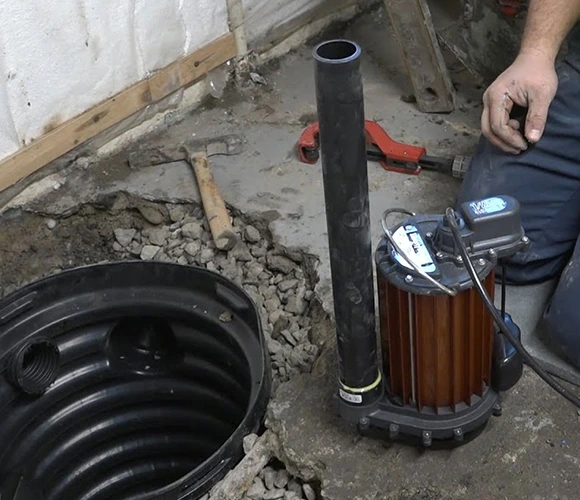
A sump pump is a mechanical device designed to remove accumulated water from a designated collection basin, commonly called a sump pit.
The pit is typically installed at a low point in a basement or crawl space drainage system.
As groundwater or drainage water enters the basin, the water level rises.
When the water reaches a predetermined level, a float switch or electronic sensor activates the pump.
The pump then moves water through a discharge pipe to an appropriate location away from the building.
Once the water level decreases, the pump shuts off automatically.
Two common types of sump pumps are submersible pumps, which operate inside the basin, and pedestal pumps, which position the motor above the water.
The appropriate option depends on the property’s drainage conditions, available space, expected water volume, and installation requirements.
Signs Your Home May Need a Sump Pump
Not every damp basement requires a sump pump. However, certain conditions suggest that professional drainage evaluation may be worthwhile.
Recurring Basement Flooding
If water repeatedly enters your basement after heavy rainfall, the existing drainage system may be inadequate.
A sump pump can help remove collected water when incorporated into a properly designed drainage solution.
Persistent Crawl Space Dampness
Standing water beneath a home can contribute to high humidity and deterioration of exposed materials.
A professional can determine whether the problem requires drainage improvements, a sump system, moisture barriers, or another solution.
Water Accumulation Near Foundation Walls
Water collecting along interior foundation edges may indicate groundwater intrusion or exterior drainage problems.
Correcting the source should remain a priority.
Previous Water Damage
Properties with a history of flooding may benefit from preventive drainage improvements.
However, the decision should be based on the building’s specific conditions rather than previous water damage alone.
What Happens During Professional Sump Pump Installation?
A properly installed sump pump system requires careful planning to ensure reliable water removal.
Step 1: Property and Drainage Assessment
The process begins by identifying where water enters and accumulates.
A technician evaluates the foundation, drainage patterns, and existing moisture problems to determine whether a sump pump is appropriate.
Step 2: Selecting the Sump Location
The sump basin is positioned where the drainage system can effectively collect water.
The location should allow access for inspection, maintenance, and future repairs.
Step 3: Installing the Basin and Pump
The installer prepares the pit, places the basin, and installs a properly sized pump.
The pump must be compatible with the expected water volume and required discharge height.
Step 4: Connecting the Discharge System
Discharge piping directs water away from the foundation toward an approved outlet.
A check valve may be installed to prevent water in the discharge pipe from flowing backward into the basin.
Step 5: Testing the Equipment
The installer tests the float mechanism, pump activation, discharge flow, and shutoff operation.
Where power outages are a concern, homeowners may also consider an appropriately designed backup system.
Why HVAC Cleanliness Matters for Indoor Air Quality
Heating and cooling systems circulate air throughout a property, making their condition relevant to indoor comfort.
Over time, dust and debris can accumulate on filters, coils, and other HVAC components.
When moisture is present, certain areas may also develop conditions that support microbial growth.
A dirty cooling coil or blocked condensate drain can contribute to moisture-related problems.
Routine HVAC maintenance helps identify these issues before they become more serious.
However, it is important to distinguish ordinary dust accumulation from confirmed mold contamination.
Not every HVAC system requires duct cleaning or antimicrobial treatment. The need for specialized sanitation should be determined through appropriate inspection.
When Should Homeowners Consider HVAC System Sanitation?
Homeowners researching HVAC System Sanitation in Manchester TN may be concerned about musty odors, visible contamination, or previous water damage.
Professional assessment may be useful when:
- Mold-like growth is visible inside accessible HVAC components.
- Condensate drainage problems repeatedly create damp conditions.
- Water damage has affected ductwork or nearby materials.
- Significant debris has accumulated within system components.
- Persistent odors appear to originate from the HVAC equipment.
A qualified technician should identify the underlying problem before recommending cleaning or treatment.
The Environmental Protection Agency does not recommend routine air duct cleaning for every home. Specialized cleaning is generally considered when specific contamination or performance concerns justify it.
Chemical disinfectants and antimicrobial products should only be used when appropriate for the material, application, and product labeling.
How HVAC Sanitation Is Typically Performed
Professional HVAC sanitation may involve several stages, depending on the system’s condition.
First, technicians inspect accessible ductwork, coils, drain pans, filters, and ventilation components.
They identify areas where dust, moisture, or suspected contamination has accumulated.
Next, affected components may be cleaned using methods appropriate for the equipment and materials.
Coils and condensate systems require particular attention because moisture can accumulate during normal cooling operation.
If microbial growth is confirmed, the technician should determine whether affected materials can be cleaned or require replacement.
After cleaning, the system may be inspected to confirm that drainage and airflow components are functioning properly.
A responsible service provider should also explain whether further moisture control or HVAC repairs are necessary.
How Sump Pumps and HVAC Maintenance Work Together
Although sump pumps and HVAC systems perform different functions, both can contribute to a broader moisture management strategy.
A sump pump addresses water that accumulates in a designated drainage basin.
HVAC maintenance focuses on keeping heating and cooling equipment operating properly while addressing condensation and contamination concerns.
Neither service replaces the other.
For example, installing a sump pump will not automatically correct a leaking air-conditioning condensate line.
Similarly, cleaning HVAC components will not stop groundwater from entering a basement.
A comprehensive moisture control plan may involve drainage improvements, leak repairs, ventilation, dehumidification, and targeted cleaning.
The goal is to address each moisture source rather than relying on a single solution.
Preventive Maintenance Tips for Manchester Homeowners
Regular inspections can help reduce the risk of unexpected moisture problems.
Homeowners should periodically test accessible sump pumps according to manufacturer instructions and confirm that discharge outlets remain unobstructed.
Gutters and downspouts should direct water away from the foundation.
Indoor humidity should also be monitored. Keeping relative humidity below 60%, preferably around 30–50% when practical, can help discourage mold growth.
HVAC filters should be changed according to equipment requirements, and condensate drains should be inspected during routine maintenance.
Any plumbing leaks, roof damage, or recurring dampness should be addressed promptly.
These simple habits can help protect building materials and reduce the likelihood of expensive restoration work.
Choosing a Professional Moisture Control and Mold Remediation Company
Selecting a qualified contractor is an important step when dealing with water intrusion or suspected mold.
Look for a company that evaluates moisture sources before recommending remediation or equipment installation.
Ask how the inspection findings will be documented, what services are included, and whether additional specialists may be required.
Restorable Solutions Mold Remediation is a Tullahoma-based restoration and environmental services company serving surrounding Middle Tennessee communities, including Manchester.
The company provides mold-related services, moisture management solutions, sump pump installations, and HVAC sanitation.
For homeowners considering Sump Pump Installation in Manchester TN, the company can help assess moisture concerns and discuss potential water management solutions.
An inspection can help clarify which improvements are appropriate for the property’s specific conditions.
Frequently Asked Questions
1. How long does a sump pump usually last?
Many residential sump pumps last approximately 7–10 years, although actual lifespan varies with usage, maintenance, water conditions, and equipment quality. Regular testing helps identify performance problems.
2. Does every basement need a sump pump?
No. A sump pump is generally most useful when groundwater or drainage water repeatedly accumulates. Properties without these conditions may not require one.
3. Can HVAC sanitation eliminate all mold spores?
No. Mold spores naturally exist in indoor and outdoor environments. Appropriate cleaning can address identified contamination, but controlling moisture remains essential.
4. How often should HVAC ducts be cleaned?
There is no universal cleaning schedule suitable for every home. Cleaning should be based on system condition, confirmed contamination, and professional recommendations.
5. Can a sump pump prevent all basement flooding?
No. A sump pump can help manage collected water, but severe storms, pump failures, blocked discharge lines, and other water entry sources can still cause flooding.
6. Is professional HVAC sanitation necessary after water damage?
It depends on whether HVAC components were affected. A professional inspection can determine whether cleaning, drying, component replacement, or additional remediation is needed.
Conclusion
Protecting your home from moisture-related damage requires understanding how water enters the property, where it accumulates, and how indoor systems respond to damp conditions.
Sump pumps can help manage unwanted water in basements and crawl spaces, while appropriate HVAC maintenance can address contamination concerns and support reliable system operation.
For homeowners considering HVAC System Sanitation in Manchester TN, professional assessment is an important first step toward identifying problems and selecting suitable solutions.
Restorable Solutions Mold Remediation offers moisture control, mold remediation, and related restoration services for homeowners throughout the Manchester area.