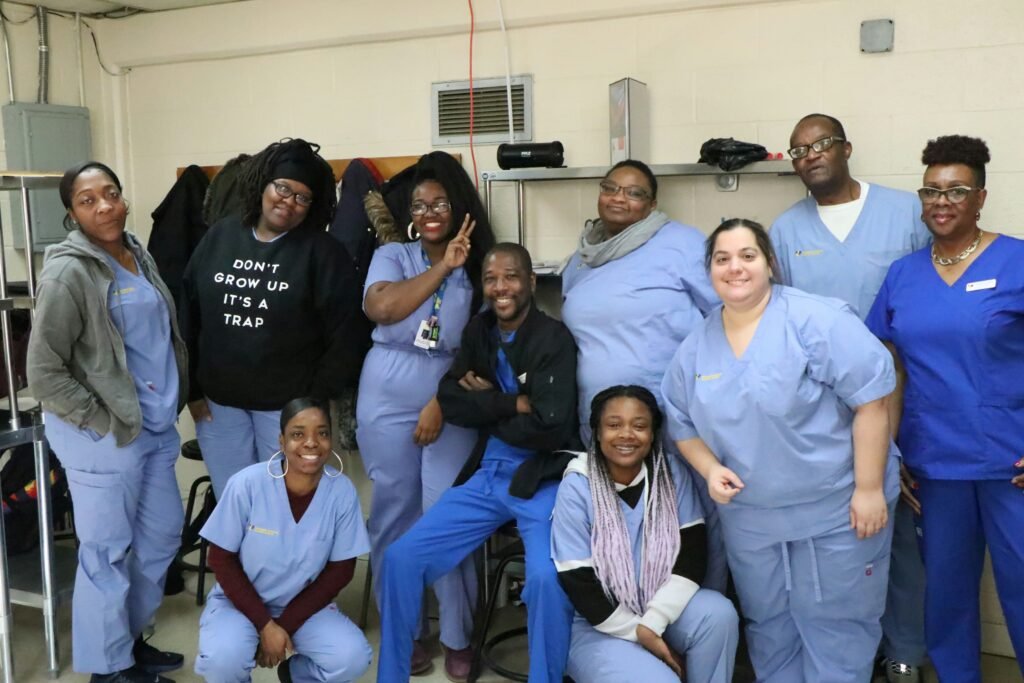
Working in community services is about more than having the right qualification. Employers also look for people who can communicate effectively, understand individual needs, solve problems and provide respectful support to people from different backgrounds.
Community services workers may support older people, people with disabilities, individuals experiencing mental health challenges, families and people facing difficult situations. To work effectively in this field, you need a combination of practical skills, personal qualities and relevant knowledge.
If you are planning to start a career in this sector, understanding the skills employers value can help you prepare for the workplace and choose the right community services courses.
1. Strong Communication Skills
Communication is one of the most important skills for community services workers. You need to understand people’s concerns, explain information clearly and communicate with clients, families, colleagues and other service providers.
Good communication includes speaking clearly, listening carefully and using respectful language. It also means adapting your communication style to suit each person’s needs.
For example, a support worker may need to explain daily activities to a client, discuss concerns with a family member or share important information with a supervisor.
How to develop this skill: Practise active listening, ask clear questions and learn how to communicate respectfully with people who have different needs and experiences.
2. Empathy and Compassion
Community services workers often support people who are experiencing personal, social or emotional challenges. Employers value workers who can understand another person’s perspective without making assumptions or judging their circumstances.
Empathy helps you build trust and create a supportive environment where individuals feel comfortable discussing their needs.
However, being empathetic does not mean making decisions for others. It means listening, respecting their choices and supporting them to work towards their own goals.
How to develop this skill: Practise patience, listen without interrupting and treat every person with dignity and respect.
3. Problem-Solving and Critical Thinking
Every client has different circumstances, so community services workers need to think carefully and respond appropriately when challenges arise.
You may need to identify a client’s needs, recognise potential risks, follow workplace procedures and seek help when a situation is beyond your responsibility.
For example, if a client needs additional support, you may need to document the concern and work with a supervisor or relevant service provider to identify the next steps.
How to develop this skill: Learn how to assess situations, follow established procedures and make decisions within your role and responsibilities.
4. Patience and Emotional Resilience
Community services work can be demanding. Some clients may need additional time, repeated explanations or ongoing assistance. Workers may also encounter stressful situations or hear about difficult personal experiences.
Employers value people who can remain calm, respond professionally and manage their emotions while providing consistent support.
Emotional resilience also involves recognising your limits, seeking supervision and maintaining a healthy balance between work and personal life.
How to develop this skill: Practise stress management, maintain professional boundaries and seek guidance when situations become challenging.
5. Teamwork and Collaboration
Community services workers often work alongside support coordinators, nurses, social workers, case managers, families and other professionals. Effective teamwork helps ensure that people receive appropriate and consistent support.
Employers look for workers who share relevant information responsibly, respect other team members and contribute to a positive workplace.
You should also understand when to ask for assistance rather than trying to manage a situation independently.
How to develop this skill: Practise collaboration, accept feedback and communicate clearly with colleagues while following privacy requirements.
6. Cultural Awareness and Respect for Diversity
Community services workers support people from different cultural, social and linguistic backgrounds. They may also work with people who have different beliefs, abilities, family structures and life experiences.
Cultural awareness means recognising these differences and avoiding assumptions about an individual’s needs or preferences. It also involves respecting personal choices and adapting support where appropriate.
Employers value workers who provide inclusive services and treat everyone fairly.
How to develop this skill: Be open to learning about different cultures, use respectful language and ask individuals about their preferences rather than making assumptions.
7. Organisation and Time Management
Many community services roles involve appointments, client records, support plans, daily activities and administrative responsibilities. Managing these tasks carefully helps workers provide reliable support.
Employers value people who can prioritise responsibilities, arrive on time, follow schedules and complete documentation accurately.
Good organisation is especially important when several clients or tasks require attention during the same shift.
How to develop this skill: Use schedules and checklists, complete records promptly and follow workplace processes for reporting and documentation.
8. Understanding Privacy, Confidentiality and Professional Boundaries
Community services workers may handle sensitive personal information about clients, their families, health needs and living circumstances. Protecting this information is an essential professional responsibility.
Employers expect workers to understand confidentiality requirements, follow organisational policies and share information only when authorised or legally permitted.
Professional boundaries are equally important. Workers must maintain an appropriate relationship with clients, respect their independence and avoid situations that could create conflicts of interest.
How to develop this skill: Learn workplace privacy policies, understand your role’s responsibilities and ask a supervisor when you are unsure how to handle confidential information.
9. Practical Support and Observation Skills
Depending on the role, community services workers may assist people with daily activities, community participation, personal goals or access to services.
Employers value workers who can observe changes in a person’s needs, follow support plans and report concerns appropriately. Some positions also require practical skills related to personal care, disability support, aged care or mental health.
These responsibilities vary by job, so it is important to understand the specific requirements of the position you want to pursue.
How to develop this skill: Complete relevant training, take part in practical learning activities and follow workplace procedures when providing support.
10. Record-Keeping and Digital Skills
Accurate records help service providers monitor progress, communicate important information and maintain continuity of care.
Community services workers may need to complete progress notes, incident reports, daily records or other workplace documentation. Many organisations also use digital systems to manage appointments, client information and support plans.
Employers value workers who can write clear, factual notes and use workplace technology responsibly.
How to develop this skill: Practise writing clear reports, check information before submitting records and learn the digital systems used in your workplace.
11. Adaptability and Willingness to Learn
Policies, client needs and workplace procedures can change. Community services workers need to adapt while continuing to provide safe and appropriate support.
Employers often value workers who accept feedback, participate in training and keep their knowledge up to date. Being willing to learn also helps you understand new approaches and improve your professional abilities.
How to develop this skill: Ask for feedback, participate in professional development and remain open to learning from experienced colleagues.
How Can Community Services Courses Help You Develop These Skills?
Relevant training can help you build the knowledge and practical abilities required for community services roles. Depending on the qualification, your learning may cover communication, ethical practice, person-centred support, workplace safety, documentation and supporting people with different needs.
When comparing community services courses in Australia, consider your career goals, the type of work you want to do and the qualification requirements of potential employers.
For example:
- Certificate III in Community Services: May suit people who want to build foundational skills for entry-level community services work.
- Certificate III in Individual Support: May suit learners interested in supporting people with ageing-related needs or disability, depending on the chosen specialisation.
- Certificate IV in Community Services: May suit people seeking to develop broader skills for community services roles with additional responsibilities.
- Diploma of Community Services: May be relevant to people aiming for more advanced practice, case management or coordination roles, depending on the job requirements.
Always check the current qualification details, entry requirements and employment requirements before enrolling. Some roles may require additional checks, clearances, practical experience or specific training.
Tips for Standing Out to Employers
Having a qualification is a useful step, but employers also want to see how you apply your skills in real situations.
To strengthen your job application, highlight relevant placement experience, volunteering, transferable skills and examples of working with others. Prepare examples that show how you communicated clearly, handled a challenge, respected someone’s privacy or adapted to a changing situation.
During an interview, explain how you would respond to a client’s needs while maintaining dignity, following workplace procedures and seeking guidance when necessary.
Most importantly, show that you understand the responsibilities of the role and are willing to keep learning.
Start Building Your Community Services Skills
A career in community services requires a balance of knowledge, practical abilities and professional values. Strong communication, empathy, teamwork, problem-solving and respect for privacy can help you provide better support and prepare for workplace expectations.
Whether you are starting a new career or looking to develop your existing skills, choosing suitable training is an important step towards your goals.
Explore community services qualifications and identify a learning pathway that matches your interests and career plans. Contact D P Training & Consultancy to learn more about available training options and take the next step towards your career in community services.
Frequently Asked Questions
What is the most important skill for a community services worker?
Communication is essential because workers need to understand clients’ needs, share information appropriately and collaborate with other professionals. Empathy, patience, problem-solving and respect for privacy are also important.
Do I need a qualification to work in community services?
Requirements depend on the role and employer. Some positions may accept relevant experience or transferable skills, while others require a specific nationally recognised qualification, practical training or additional checks. Always review the job advertisement.
Can I develop community services skills without work experience?
Yes. Training, role-play activities, volunteering and relevant placement opportunities can help you develop foundational skills. Practical workplace experience can further build your confidence and ability to apply what you have learned.
Which community services course should beginners choose?
The right course depends on your interests and career goals. A Certificate III may be suitable for some entry-level pathways, while people interested in disability support, individual support or more advanced community services roles may need a different qualification. Compare course content with the requirements of jobs you want to pursue.
Are communication skills important in disability and aged care support?
Yes. Clear communication, active listening and respectful interactions help workers understand preferences, support independence and respond to changing needs. The exact skills required depend on the clients and responsibilities involved.