As people age, maintaining independence and comfort at home becomes increasingly important. The bathroom is one of the most frequently used areas in any home, but it can also become one of the most challenging spaces for seniors due to slippery surfaces, limited mobility, and balance concerns. Focusing on senior bathroom safety helps create a safer environment where older adults can maintain confidence while completing their daily routines.
A well-designed bathroom can reduce risks and provide seniors with greater freedom. Simple improvements such as better lighting, supportive fixtures, and thoughtful layouts can make a significant difference. Whether a senior lives alone, with family, or in an assisted living arrangement, making the bathroom safer should be a priority.
Understanding Common Bathroom Risks for Seniors
Bathrooms often contain hazards that may not seem dangerous at first. Wet floors, high bathtub walls, poor lighting, and difficult-to-reach fixtures can create situations where falls or injuries are more likely to happen. Since many seniors experience changes in balance, flexibility, or strength, everyday bathroom activities may become more difficult over time.
One of the biggest concerns related to senior bathroom safety is preventing slips and falls. Falls in the bathroom can lead to serious injuries, including fractures and long recovery periods. By identifying possible risks and making adjustments, families can help seniors feel more secure and comfortable.
Improving Bathroom Accessibility
Accessibility is one of the most important parts of creating a senior-friendly bathroom. A bathroom should be designed so that seniors can move around easily without unnecessary obstacles. Wider pathways, easy-to-use fixtures, and comfortable layouts can improve both safety and convenience.
Replacing traditional bathtubs with walk-in showers is a popular option for many households. Stepping over a high bathtub edge can be difficult for seniors with limited mobility. A walk-in shower allows easier access while reducing the chance of losing balance during entry and exit.
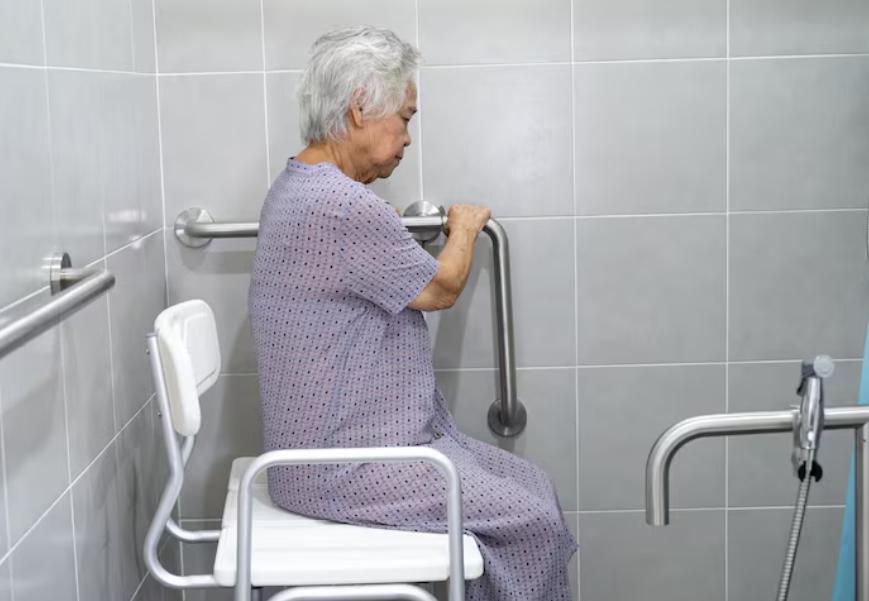
Adding grab bars near showers, toilets, and other important areas can also provide extra support. These sturdy handles give seniors something reliable to hold onto when sitting down, standing up, or moving across wet surfaces.
The Importance of Proper Lighting
Good lighting plays a major role in bathroom safety. Many accidents occur because seniors cannot clearly see obstacles, water on the floor, or changes in surface levels. A well-lit bathroom allows older adults to navigate the space more confidently.
Installing brighter overhead lights, motion-sensor lighting, and night lights can improve visibility. Motion-activated lights are especially helpful because they automatically turn on when someone enters the bathroom, reducing the need to search for switches in the dark.
Natural lighting can also improve the overall atmosphere of the bathroom. A bright and welcoming space can make daily routines feel easier and more enjoyable.
Choosing Safe Flooring Options
Bathroom floors should provide stability and prevent slipping. Smooth surfaces may become dangerous when wet, especially for seniors who have difficulty maintaining balance. Choosing slip-resistant flooring materials can significantly improve safety.
Textured tiles, non-slip mats, and secure rugs can help reduce the possibility of accidents. However, loose rugs should be avoided because they may move unexpectedly and create additional hazards.
Keeping the bathroom floor dry is another important safety practice. A towel or absorbent mat placed near showers and sinks can help manage water and keep walking areas safer.
Installing Senior-Friendly Bathroom Fixtures
The right fixtures can make everyday tasks easier for older adults. Traditional bathroom designs may not always meet the needs of seniors, especially those with mobility challenges.
Raised toilet seats can make sitting down and standing up less difficult. Lever-style faucets are often easier to operate than traditional knobs because they require less hand strength. Handheld showerheads can also provide flexibility by allowing seniors to bathe while seated.
Comfort-height sinks, adjustable shower seats, and easy-access storage solutions can further improve bathroom usability. These small changes can increase independence and reduce physical strain.
Creating a Comfortable Shower Area
The shower area requires special attention because it is one of the most common places where bathroom accidents occur. A secure and comfortable shower setup can greatly improve senior bathroom safety while making bathing easier.
A shower seat provides seniors with a safe place to sit while bathing. This can reduce fatigue and help those who have difficulty standing for long periods. A handheld showerhead allows users to control water flow without unnecessary movement.
Installing a waterproof grab bar system and keeping personal care items within easy reach can also reduce stretching, bending, and sudden movements that may lead to falls.
Keeping the Bathroom Organized
A clutter-free bathroom is safer for everyone, especially seniors. Items left on floors, counters, or around walking areas can create unnecessary obstacles. Organizing bathroom essentials in easy-to-reach locations helps seniors avoid unnecessary bending or reaching.
Storage cabinets, shelves, and baskets should be placed at comfortable heights. Frequently used items should be accessible without requiring a step stool or excessive movement.
Regular cleaning is also important. Soap residue, moisture buildup, and slippery surfaces can increase risks. Maintaining a clean and organized bathroom supports a safer daily routine.
Considering Emergency Safety Features
Emergency preparedness is another important part of a senior-friendly bathroom. Even with safety improvements, accidents can still happen, so having a way to request help is valuable.
Emergency call buttons, medical alert devices, or accessible communication options can provide peace of mind. Seniors and their families can feel more confident knowing assistance is available if needed.
Family members and caregivers should also regularly check bathroom conditions. Over time, mobility needs may change, and additional modifications may become necessary.
Benefits of a Safer Bathroom Design
Creating a safer bathroom provides many benefits beyond injury prevention. Seniors often feel more independent when they can complete personal care routines without constant assistance. A comfortable bathroom environment can improve confidence, privacy, and overall quality of life.
Families also experience greater peace of mind when they know their loved ones have a safer living space. Investing in bathroom improvements can support aging in place and allow seniors to remain in familiar surroundings longer.
A thoughtful approach to senior bathroom safety focuses on prevention, comfort, and accessibility. From installing supportive fixtures to improving lighting and organizing the space, every improvement contributes to a safer home environment. Small changes can make everyday activities easier while helping seniors maintain independence and dignity.
A bathroom should be more than just a functional space. It should be a place where seniors feel comfortable, confident, and secure. By planning carefully and making practical upgrades, families can create a bathroom that supports safety and enhances daily living for years to come.