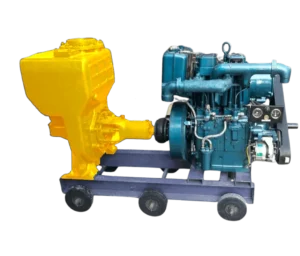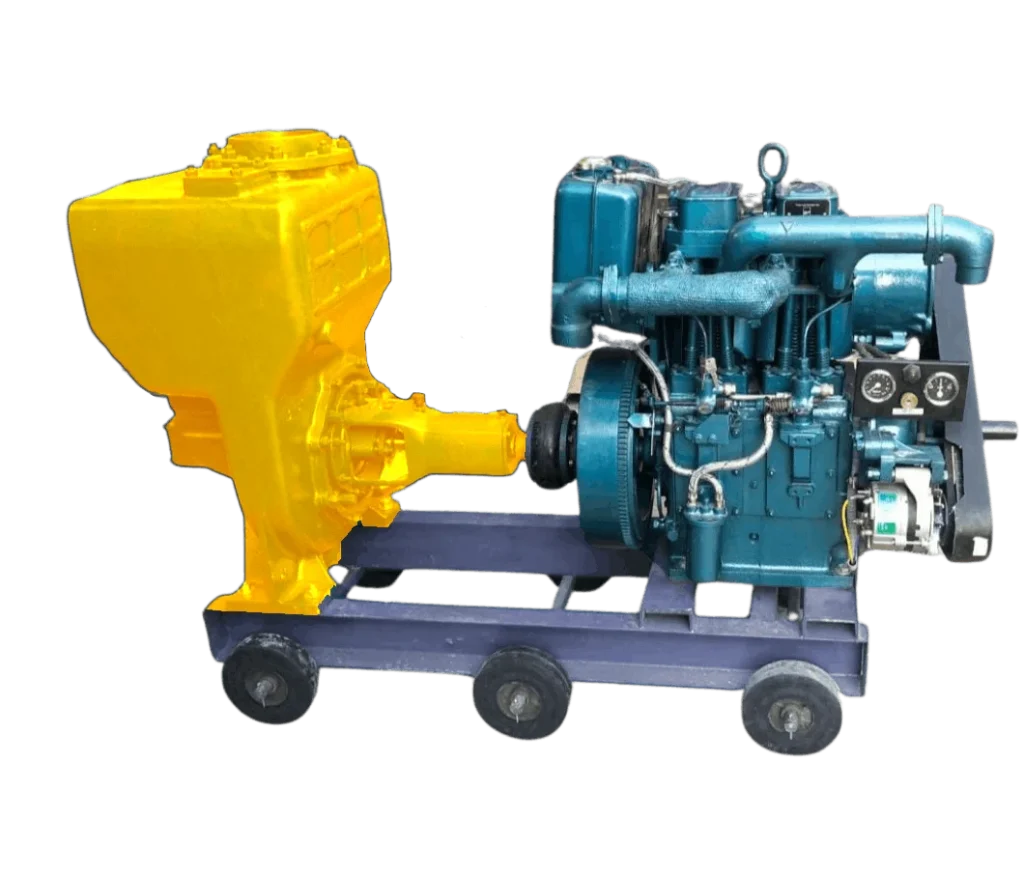
Anyone who has dealt with a pump that refuses to move liquid knows how frustrating air can be. Air trapped in the suction line stops many pumps cold, and the fix usually means stopping work to fill the casing by hand. A self-priming pump is built to avoid that problem. It clears the air on its own, so liquid starts flowing without manual help. This guide explains what these pumps are, how they work, and where they fit best.
What Is a Self-Priming Pump?
A self-priming pump is a centrifugal pump designed to evacuate air from its suction line and casing, then draw liquid from a source below the pump. Once it has pulled in enough liquid, it works like a standard centrifugal pump and keeps moving fluid steadily.
You may also hear the term auto priming pump. The two names describe the same idea. Both refer to a pump that handles its own priming cycle automatically, which removes the need for foot valves, external vacuum systems, or repeated manual filling.
Why Priming Matters
A regular centrifugal pump moves liquid, not air. If the casing holds mostly air, the impeller spins without creating enough suction to lift fluid. Running in that condition also causes damage, because many pumps rely on the liquid itself for cooling and lubrication. Dry running can overheat seals and quickly wear down internal parts.
A self-priming pump solves this by keeping a reserve of liquid inside the casing at all times. That stored liquid is the key to the whole process.
How a Self-Priming Pump Works
The priming process happens in a few quick stages.
- Initial fill. Before first use, fill the casing with liquid. You only need to do this once. After that, the pump’s design holds back enough liquid for future starts.
- Air and liquid mixing. When the motor starts, the impeller spins and churns the stored liquid with the air coming in from the suction line. This creates a frothy mixture of air bubbles and fluid.
- Air separation. The mixture moves into a separation chamber, sometimes called a reservoir. Because air is lighter than liquid, it rises and exits through the discharge port. The heavier liquid drops back down and returns to the impeller through a recirculation port.
- Repeating the cycle. This loop continues, pulling more air out of the suction line with each pass. The vacuum grows stronger until the pump draws liquid all the way up from the source.
- Normal operation. Once all the air is gone, the pump settles into regular centrifugal action and delivers a steady flow.
An auto priming pump follows the same sequence, which is why it can restart reliably after a pause without extra setup.
Key Components
Several parts make this process possible:
- Impeller: Spins to create suction and move fluid.
- Casing with reservoir: Holds the priming liquid and separates air from fluid.
- Recirculation port: Sends liquid back to the impeller during priming.
- Check valve or suction design: Prevents the stored liquid from draining back into the suction line.
- Mechanical seal: Keeps liquid contained and protects the motor side.
Common Types of Self-Priming Pumps
Self-priming designs come in a few forms. Centrifugal models are the most popular for general water transfer and wastewater jobs. Diaphragm and positive displacement versions can also prime themselves and handle thick or abrasive fluids. Some models use a separate priming chamber, while others use a built-in air removal system. Your choice depends on the fluid, flow rate, and suction lift required.
Where These Pumps Are Used
A self-priming pump is a practical choice in many settings:
- Construction sites that need dewatering and fluid transfer
- Agricultural irrigation drawn from wells, ponds, or tanks
- Wastewater and sewage handling
- Industrial processes that move chemicals or slurries
- Marine and boat bilge applications
- Emergency flood control and firefighting support
Any job where the pump sits above the liquid source is a good candidate.
Benefits of Self-Priming Pump
The biggest advantage is convenience. An auto priming pump restarts without manual refilling, saving time and labor. These pumps also tolerate small amounts of air and vapor in the line, so they handle uneven flow better than standard models. Because they can sit above the liquid, installation is often simpler and safer, especially around pits and tanks.
Limitations and Care Tips
Even a self-priming pump has limits. It still needs liquid in the casing before the first start, and running it dry for long periods will cause damage. Priming time grows with longer or wider suction lines, and every model has a maximum suction lift. Check seals regularly, keep the suction line airtight, and clean the strainer to prevent clogs.
Final Thoughts
A self-priming pump takes the guesswork out of moving liquid from a lower source. By storing fluid in the casing and separating air during startup, it clears the line and begins pumping on its own. Whether you call it an auto priming pump or a self-primer, the result is the same: faster setup, fewer interruptions, and dependable performance on demanding jobs.