Healthcare systems continue to evolve with digital innovation. However, accessing accurate medical data during emergencies remains a challenge. Patients often rely on memory, which may fail under stress. In critical moments, delays can lead to severe consequences. Therefore, developers play a key role in bridging this gap with smart solutions.
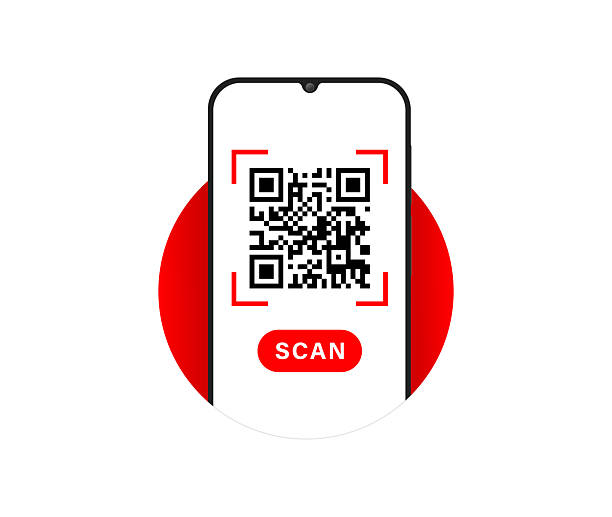
QR codes offer a practical and efficient way to store and retrieve medical data. They allow instant access through a simple scan using any smartphone. As a result, healthcare professionals can make faster and better decisions. This capability is especially valuable in emergencies where time is limited.
In recent years, wearable solutions like QR medical alert accessories have gained popularity. These tools combine convenience with life-saving functionality. Developers must ensure these systems are secure, scalable, and reliable. This guide explains how to design such systems effectively.
Understanding QR Codes in Healthcare
QR codes, or Quick Response codes, store information in a machine-readable format. They can hold URLs, text, or identifiers that link to databases. When scanned, they instantly provide access to stored data.
In healthcare, QR codes serve many purposes. They can identify patients, store medical histories, and enable emergency access. Hospitals often use them for tracking patient records and medications. Moreover, individuals use them in wearable devices for personal safety.
The simplicity of QR codes makes them widely accessible. Almost every smartphone can scan them without additional hardware. This ease of use increases their adoption across different healthcare scenarios.
Benefits of Using QR Codes for Medical Information
QR codes provide immediate access to critical data. This feature is essential during emergencies when every second counts. Medical teams can quickly view allergies, medications, and conditions.
They also reduce paperwork and manual errors. Digital records are easier to update and maintain. As a result, healthcare providers can focus more on patient care.
Another benefit is improved patient safety. Accurate and accessible data minimizes the risk of incorrect treatments. Additionally, QR codes support remote healthcare services and telemedicine.
Furthermore, these systems are cost-effective. Developers can implement them without expensive infrastructure. This makes them suitable for both large hospitals and individual users.
Security Considerations for Medical QR Codes
Security is the most critical aspect of medical data systems. Sensitive information must remain protected at all times. Developers must implement strong encryption methods.
QR codes should not store raw medical data directly. Instead, they should contain secure links or tokens. These links can point to encrypted databases where data is stored safely.
Access control is equally important. Only authorized users should view medical information. Multi-factor authentication can enhance security further.
Another risk involves unauthorized scanning. Anyone can scan a QR code if it is visible. Therefore, developers must design systems that verify user identity before granting access.
Regular security audits help identify vulnerabilities. Developers should update systems frequently to prevent breaches. Using secure APIs and protocols is also essential.
Compliance and Regulations
Healthcare applications must comply with legal standards. Regulations like HIPAA and GDPR define how data should be handled. Developers must understand these requirements thoroughly.
Compliance ensures data privacy and builds user trust. It also protects organizations from legal consequences. Therefore, developers should integrate compliance measures from the start.
Encryption, logging, and access tracking are key compliance elements. Systems must record who accessed data and when. This transparency improves accountability.
Designing a Secure QR Code System
Developers must carefully plan the architecture of QR-based systems. Choosing between static and dynamic QR codes is the first step. Static codes store fixed data, while dynamic codes link to updated information.
Dynamic QR codes are more suitable for medical use. They allow real-time updates without changing the code itself. This flexibility is crucial for maintaining accurate records.
Backend integration is another important factor. QR codes should connect to secure servers through APIs. These servers manage data storage and retrieval.
Tokenization enhances security further. Instead of direct links, QR codes can store temporary tokens. These tokens expire after a short time, reducing misuse risks.
Developers should also implement HTTPS protocols. Secure communication prevents data interception. Additionally, systems should support scalability to handle large user bases.
Data Minimization Strategies
Data minimization is a key principle in secure design. Systems should store only essential information. This approach reduces the risk of data exposure.
Instead of storing full medical records, QR codes can link to summaries. Detailed data remains on secure servers. This method balances accessibility and security.
Developers can also use anonymized identifiers. These identifiers protect user identity while allowing data retrieval. Encryption adds another layer of protection.
Regular data reviews help maintain efficiency. Unnecessary information should be removed promptly. This practice improves both performance and security.
Implementation Guide for Developers
Developers can follow a structured approach to build QR-based systems. First, choose a reliable QR code generation library. Many open-source tools are available for this purpose.
Next, design a secure database for storing medical information. Use encryption techniques to protect stored data. Cloud-based solutions can provide scalability and reliability.
Then, create APIs to connect QR codes with the database. These APIs handle requests and responses securely. Proper authentication mechanisms must be included.
User interfaces should be simple and intuitive. Emergency responders need quick access without confusion. Therefore, design interfaces that display critical information clearly.
Testing is an essential step in development. Developers should simulate real-world scenarios. This helps identify potential issues before deployment.
Example Workflow
A typical workflow starts with user registration. The user enters their medical information into the system. This data is stored securely in the database.
Next, the system generates a unique QR code. This code links to the user’s profile through a secure token. The user can print or embed this code in wearable items.
When scanned, the QR code sends a request to the server. The system verifies the scanner’s authorization. After validation, it retrieves and displays the data.
This process ensures both accessibility and security. Each step includes safeguards to protect sensitive information.
Best Practices
Developers should follow best practices to ensure system reliability. Regular security audits are essential for identifying vulnerabilities. These audits help maintain system integrity.
User consent must always be prioritized. Individuals should control who accesses their data. Transparent policies build trust and encourage adoption.
Backup and recovery systems are also important. Data loss can have serious consequences. Therefore, developers should implement robust backup solutions.
Another best practice involves continuous updates. Technology evolves rapidly, and systems must keep pace. Updating software ensures compatibility and security.
Developers should also educate users about safe usage. Awareness reduces the risk of misuse. Clear instructions improve user experience and system effectiveness.
Conclusion
QR codes offer a powerful solution for managing medical information. They provide instant access, improve efficiency, and enhance patient safety. However, security remains a top priority in their implementation.
Developers must design systems that protect sensitive data while ensuring accessibility. By following best practices, they can create reliable and scalable solutions. Compliance with regulations further strengthens system credibility.
As healthcare continues to digitize, QR-based solutions will become more common. Developers have the opportunity to shape this future. With careful planning and execution, they can build systems that truly save lives.