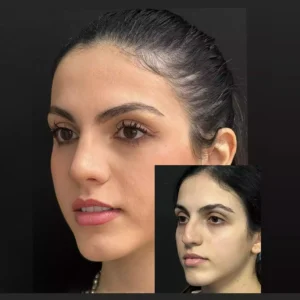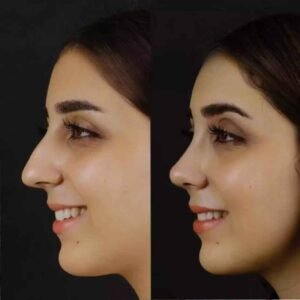
The nose plays an important role in defining facial appearance, influencing the balance between the eyes, cheeks, lips, and chin. Even a small change in its shape can affect the overall appearance of the face. However, an attractive nose does not necessarily follow one particular shape or measurement. What looks natural on one person may not suit another because every individual has different facial proportions, skin characteristics, and structural features.
This is why modern rhinoplasty focuses on individual facial harmony rather than creating an identical nose for every patient. Before recommending any surgical changes, a surgeon needs to understand the patient’s facial anatomy, aesthetic preferences, and functional requirements. The aim is to develop a nose shape that complements the rest of the face while maintaining a natural appearance.
For people considering Rhinoplasty in dubai, understanding how surgeons determine the ideal nose shape can help them approach the procedure with realistic expectations. Dr. Shahram Sajjadi considers individual facial characteristics and patient goals when assessing the changes that may be appropriate for each person.
Why Is There No Single Ideal Nose Shape?
The concept of an ideal nose is different for everyone. Facial beauty is influenced by several features working together, rather than one individual characteristic. A nose that appears balanced on a person with a prominent chin may look different on someone with a smaller chin or softer facial structure.
For this reason, rhinoplasty planning should not rely entirely on popular nose shapes or photographs of celebrities. Although patients may bring reference images to consultations, these examples are best used to communicate aesthetic preferences rather than establish an exact surgical target.
Some individuals prefer a straighter nasal bridge, while others want a softer profile or a more refined nasal tip. Similarly, certain patients may be concerned about a prominent nasal hump, while others want to improve overall nasal proportions.
The surgeon’s responsibility is to understand these preferences and determine which adjustments are suitable for the patient’s anatomy. An appropriate outcome should complement the individual’s existing facial features instead of making the nose appear disconnected from the rest of the face.
How Does Facial Proportion Influence Nose Shape?
Facial proportions are among the most important considerations during rhinoplasty planning. The surgeon evaluates the relationship between the nose and surrounding facial structures to understand how different changes could influence overall appearance.
Relationship Between the Nose and Chin
The chin has a significant influence on how the nose appears in profile. A relatively prominent nose may seem more noticeable when the chin is small or positioned further back. In some cases, the patient’s concern about nasal size is partly related to the balance between these two features.
Evaluating the chin alongside the nose helps the surgeon understand the overall facial profile. This assessment can prevent unnecessary changes to the nasal structure when the perceived imbalance involves other facial proportions.
Forehead and Nasal Bridge
The transition between the forehead and nasal bridge contributes to the appearance of the upper profile. Some patients naturally have a more prominent bridge, while others have a softer transition.
During Rhinoplasty in dubai, the surgeon assesses the bridge in relation to the forehead, eyes, and overall facial structure. The objective is to determine whether refining the bridge would create a more balanced appearance without removing more structure than necessary.
Cheeks and Midface Proportions
The cheeks and midface also influence how the nose is perceived from the front and side. A nose should complement the width and projection of the surrounding facial features.
A surgeon therefore considers the entire face rather than focusing exclusively on nasal width, length, or projection.
Which Nasal Features Are Assessed Before Surgery?
A detailed examination helps establish which nasal characteristics should be preserved and which may benefit from adjustment. Different parts of the nose contribute to its overall shape, and each requires careful evaluation.
Nasal Bridge Shape
The nasal bridge forms the upper portion of the nose and is particularly noticeable in side-profile views. Some patients have a dorsal hump, while others may have a low or uneven bridge.
The surgeon evaluates the bridge’s height, width, and contour before deciding whether refinement is appropriate. The intended result should remain consistent with the patient’s facial proportions.
Nasal Tip Definition and Projection
The nasal tip is another important feature in rhinoplasty planning. Its shape, projection, rotation, and definition can significantly influence the appearance of the nose.
Some patients want a more defined tip, whereas others prefer a softer and less prominent appearance. The surgeon assesses the underlying cartilage and surrounding soft tissue to determine which changes are achievable.
Nostril Shape and Nasal Base Width
The width and shape of the nostrils can influence the appearance of the nose from the front and underneath. Some individuals naturally have wider nasal bases, while others have narrower nostrils.
The surgeon evaluates whether the nasal base is proportionate to the rest of the nose and whether any adjustment would be suitable for the patient’s desired appearance.
Nasal Length and Projection
Nasal length and projection are assessed in relation to the forehead, lips, and chin. A nose that appears too long or projects prominently may influence facial balance.
However, reducing these measurements should not be an automatic objective. Maintaining appropriate support and proportion is important when determining the most suitable surgical approach.
How Does Skin Thickness Affect the Final Nose Shape?
Skin characteristics are an important part of rhinoplasty planning because they influence how the underlying nasal structure appears after surgery.
Patients with thinner nasal skin may show subtle changes in the underlying cartilage and bone more clearly. This can allow certain refinements to become visible, but it also means that small irregularities may be more noticeable.
On the other hand, thicker nasal skin can soften the appearance of structural definition. Even when the underlying framework is carefully refined, the skin may limit how sharply the final contours become visible.
This is particularly relevant when planning nasal tip refinement. A patient with thicker skin may require a different approach from someone with thin skin, even if both have similar aesthetic goals.
For individuals considering Best rhinoplasty in dubai, skin thickness should therefore be included in the initial assessment. The surgeon needs to establish realistic expectations based on the patient’s existing anatomy rather than promise a particular level of definition.
How Are Patient Preferences Included in Rhinoplasty Planning?
The patient’s expectations are central to developing an appropriate surgical plan. Rhinoplasty is a highly individual procedure, and patients may have different reasons for considering it.
During consultation, the surgeon should discuss the specific features that concern the patient and understand what they hope to achieve. Some patients want a more balanced side profile, while others are primarily concerned about nasal width, asymmetry, or tip definition.
Reference photographs can help explain these preferences. However, it is important to recognise that facial structure, skin characteristics, and nasal anatomy differ from person to person.
A nose shape that works well for someone in a photograph may not be suitable for another individual. The surgeon can use these references to understand the preferred aesthetic direction while recommending changes that are compatible with the patient’s anatomy.
Clear communication also helps distinguish between essential changes and minor preferences. This makes it easier to develop a realistic surgical plan with priorities that both the patient and surgeon understand.
Why Is Nasal Function Considered Alongside Appearance?
Aesthetic improvement is only one aspect of rhinoplasty. The internal structure of the nose also plays an important role in normal breathing.
The nasal septum, nasal valves, and surrounding tissues contribute to airflow. During an assessment, the surgeon may examine these structures to identify any existing functional concerns.
Some patients seek rhinoplasty because they are unhappy with their nasal appearance, while others have concerns involving both appearance and breathing. In these situations, the surgical plan should consider both objectives.
Preserving adequate structural support is particularly important. The goal should not simply be to reduce the size of the nose but to create an appropriate balance between its external appearance and internal function.
This comprehensive approach helps ensure that aesthetic preferences are considered alongside the nose’s natural purpose.
What Role Does Digital Imaging Play in Choosing a Nose Shape?
Digital imaging can be a useful communication tool during rhinoplasty consultations. It allows the surgeon and patient to discuss possible changes using visual references based on the patient’s facial photographs.
For example, imaging may help illustrate how a straighter bridge, a more refined tip, or a change in nasal projection could influence the overall profile.
These images can make conversations about aesthetic goals more specific. Instead of relying entirely on verbal descriptions, patients can explain what they like or dislike about different proposed appearances.
However, digital simulations should not be interpreted as guaranteed surgical results. They are planning aids rather than exact predictions. Actual outcomes depend on the patient’s anatomy, tissue characteristics, healing process, and the surgical techniques used.
The surgeon should explain what changes are realistically achievable and where anatomical limitations may influence the final appearance.
How Does the Surgeon Decide Which Changes Should Be Preserved?
Successful rhinoplasty planning is not always about making the greatest number of changes. In many cases, preserving natural features is just as important as refining areas that concern the patient.
For example, a patient may have a naturally attractive nasal bridge but feel that the tip is too rounded. In this situation, changing the entire nasal structure may be unnecessary. A more focused approach could be considered after examining the anatomy.
Similarly, some patients have mild asymmetry that contributes to their natural facial character. The surgeon needs to assess whether correction would meaningfully improve balance without creating an artificial appearance.
Dr. Shahram Sajjadi considers the patient’s existing nasal structure, facial proportions, and desired outcome when evaluating potential surgical adjustments.
The principle is to make thoughtful changes that support facial harmony while retaining the characteristics that already suit the individual.
What Should Patients Look for When Choosing a Rhinoplasty Surgeon in Dubai?
Selecting an experienced and appropriately qualified surgeon is an important part of the rhinoplasty journey. Patients should look beyond attractive before-and-after photographs and consider how thoroughly the surgeon evaluates individual needs.
A consultation should provide an opportunity to discuss facial proportions, nasal anatomy, breathing concerns, and realistic aesthetic expectations.
Patients should also consider whether the surgeon explains the proposed surgical approach clearly and discusses why certain changes may or may not be appropriate.
When researching Best rhinoplasty in dubai, it is helpful to consider the following:
- Individualised assessment: The surgeon should evaluate the patient’s facial structure instead of recommending one standard nose shape.
- Understanding of nasal anatomy: A detailed explanation of the nasal bridge, tip, cartilage, and internal structures is valuable.
- Natural aesthetic planning: The proposed changes should complement the patient’s existing features.
- Realistic expectations: Patients should receive an honest explanation of what surgery can reasonably achieve.
- Clear communication: The surgeon should listen to the patient’s concerns and explain the reasoning behind the treatment plan.
A thoughtful consultation helps patients understand the procedure and make informed decisions about their aesthetic goals.
Conclusion
Determining the ideal nose shape for each patient involves much more than choosing a preferred nasal profile. It requires a detailed understanding of facial proportions, nasal anatomy, skin thickness, cartilage structure, and individual aesthetic preferences.
For patients considering Rhinoplasty in dubai, the most suitable approach is one that takes the entire face into account while respecting the nose’s natural structure and function. A refined bridge, balanced projection, or improved tip definition may be appropriate for one person but unnecessary for another.
Dr. Shahram Sajjadi focuses on evaluating individual characteristics and understanding patient expectations when considering rhinoplasty treatment. A personalised consultation allows patients to discuss their concerns, explore suitable options, and develop realistic expectations for their procedure.
Ultimately, the aim of rhinoplasty should not be to create a universally perfect nose. It should be to achieve a balanced and natural-looking appearance that complements the individual’s facial identity.
Frequently Asked Questions
1. How is the ideal nose shape determined during rhinoplasty?
The ideal nose shape is determined by assessing facial proportions, nasal anatomy, skin thickness, and the patient’s aesthetic preferences. The surgeon considers how the nose relates to the forehead, cheeks, lips, and chin before recommending suitable changes.
2. Does everyone need the same nose shape after rhinoplasty?
No. Every patient has different facial characteristics and nasal structures. A particular nose shape may complement one person’s features but look unsuitable on someone with different proportions. Rhinoplasty planning should therefore be individualised.
3. Can I choose my preferred nose shape before surgery?
Patients can discuss their preferred appearance and bring reference photographs to their consultation. However, the surgeon must assess whether the requested shape is compatible with their anatomy and explain which adjustments are realistically achievable.
4. Does skin thickness affect rhinoplasty results?
Yes. Skin thickness influences how clearly the underlying nasal structure and surgical refinements become visible. Thinner skin may reveal subtle structural details, while thicker skin can soften definition, particularly around the nasal tip.
5. How important are facial proportions in rhinoplasty?
Facial proportions are extremely important because the nose should complement the surrounding features. The relationship between the nose, forehead, cheeks, and chin helps determine which adjustments may create a balanced appearance.
6. Can rhinoplasty improve both appearance and breathing?
Yes. Depending on the patient’s anatomy and individual concerns, rhinoplasty may address aesthetic features and certain structural issues affecting nasal airflow. The surgeon assesses both aspects when developing an appropriate surgical plan.
7. Is digital imaging used to plan rhinoplasty?
Digital imaging may be used during consultations to illustrate possible changes to the nasal shape. It helps patients and surgeons communicate more clearly, although simulated images cannot guarantee the exact surgical outcome.
8. How do I choose the best rhinoplasty surgeon in Dubai?
Look for an appropriately qualified and experienced surgeon who performs detailed nasal assessments, understands facial proportions, explains surgical options, and develops individualised treatment plans. A consultation should also provide realistic expectations about achievable results.
9. What if I am unhappy with my previous rhinoplasty result?
Patients who are dissatisfied with an earlier procedure may benefit from an assessment to understand the reasons for their concerns. Revision rhinoplasty dubai may be considered depending on the existing nasal structure, healing, and the patient’s goals. The surgeon can also explain the factors that influence Revision rhinoplasty Cost in dubai, based on the complexity and requirements of the proposed procedure.
10. How long does it take to see the final rhinoplasty result?
Initial changes become noticeable as swelling begins to settle, but the nose continues to heal over time. The nasal tip may take longer to refine, and the final appearance can develop gradually over several months or longer, depending on individual healing and surgical details.