Most people think tile work is just tile. Slap it down, grout it, done by Friday. Then the quote comes in and there’s a line for “prep,” another for “underlayment,” something about “demo,” and suddenly you’re wondering what exactly you’re paying for. Fair question. Honestly I’d be asking the same thing.
So let’s walk through it. Real tile installation services cover way more than the part you’ll see when it’s finished, and the stuff you can’t see is usually what decides if the job lasts ten years or falls apart in two. Whether you’re a first-timer buying your first house, a family updating the kitchen, or you’re getting a place ready to sell, knowing what’s supposed to be in the price keeps you from getting burned. Here’s what a solid job actually includes.
What Does Professional Tile Installation Cost, and What’s in the Price?
A fair quote covers measuring, demo, surface prep, materials, setting the tile, grout, sealing, and cleanup. Prices move a lot depending on room size and tile type, so no honest company gives a final number sight unseen. Roughly, cheapest to priciest:
- Backsplash or small accent wall, usually the lightest job on the wallet
- Standard kitchen or bathroom floor, middle of the road for most homeowners
- Full shower with waterproofing, costs more because of all the hidden work behind the wall
- Natural stone, custom patterns, or multiple rooms, the high end, common on bigger luxury remodels
Ask for it itemized. If a line item is missing, like demo or disposal, it’s going to show up later as an “extra.” Always does.
Does the Job Start With Measuring and Planning?
Yes, it should. A real installer measures the space, checks for out-of-square walls, and plans the layout before a single tile gets set. This keeps you from ending up with weird skinny slivers of tile along one wall, which looks sloppy and is easy to avoid.
Sounds minor, but layout is where you can tell a pro from a guy who’s winging it. Good crews dry-fit tiles first, figure out where cuts land, and center patterns so the room looks balanced when you walk in. Takes an hour or so. Saves you from staring at a crooked pattern for the next decade.
Is Demo and Surface Prep Part of the Deal?
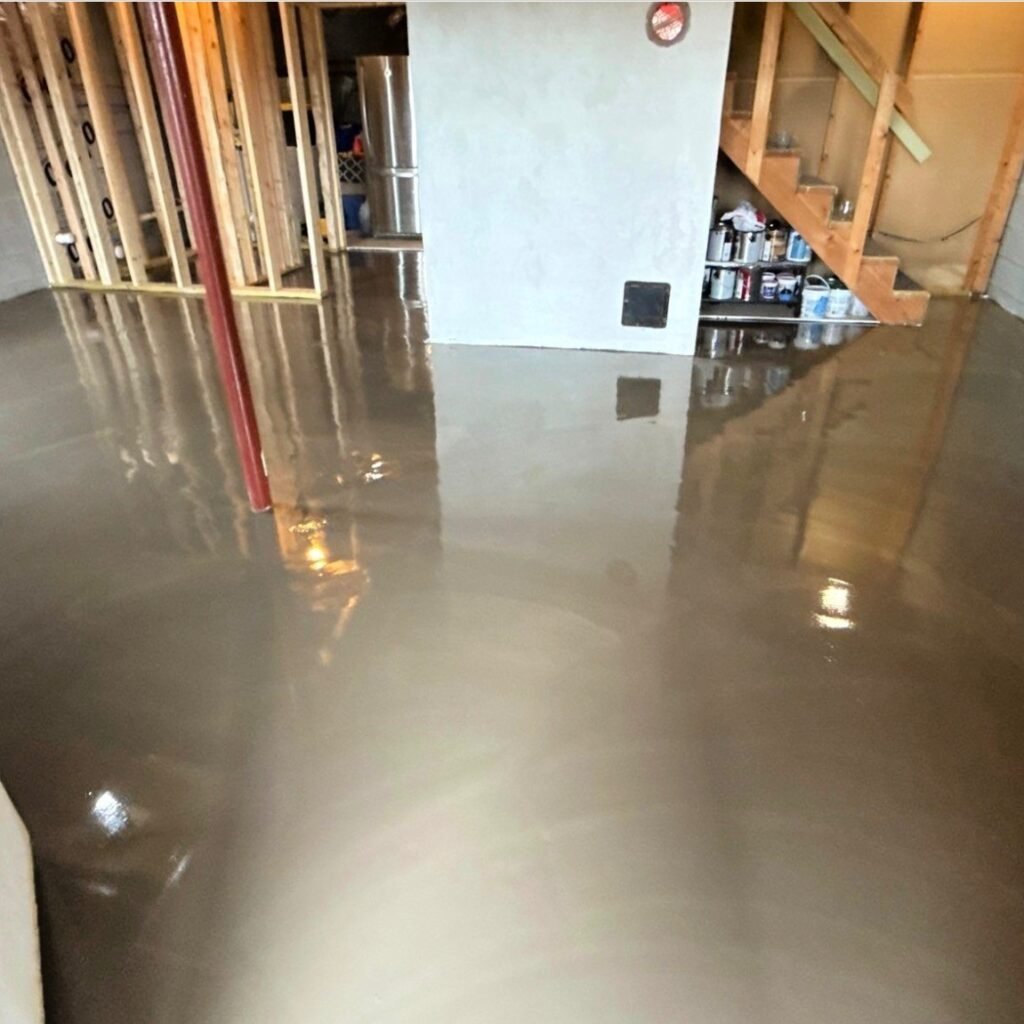
It should be, but confirm it. Demo means pulling up old tile, flooring, or fixtures, hauling it away, and then checking what’s underneath. Prep means fixing damage, leveling uneven spots, and cleaning the surface so everything bonds right.
This is the unglamorous part and, honestly, where a lot of cheaper bids cut corners. Old thinset left behind, a floor that’s off by half an inch, a cracked subfloor nobody patched. Tile doesn’t forgive any of it. A good company tells you upfront what they found and what it’ll cost to fix, not after you’ve already signed.
What About Waterproofing and Underlayment?
In wet areas, yes, and it’s non-negotiable. Showers and tub surrounds need a proper waterproofing membrane, and floors often need an underlayment or backer board. Tile and grout alone don’t stop water, which is the thing most homeowners don’t realize going in.
Skip the membrane and moisture creeps behind the wall slowly, you won’t see it for a year or two, then there’s mold or a soft spot in the drywall. By then you’re tearing everything out. Ask what system they use, how they handle corners and the drain, and whether it’s included in the price or an add-on. Straight answers mean they know their stuff.
How Does This Apply to Floors Beyond Tile?
A lot of tile companies also handle other floors, and for flooring installation Martinsburg WV homeowners it’s worth asking what’s covered. Tile, luxury vinyl plank, hardwood, each has its own prep and its own mistakes to avoid, and you’d rather have one crew handling transitions between rooms than three guys pointing fingers.
Say you’re redoing a kitchen with tile and want vinyl plank in the hall. Where those two meet, the heights have to match or somebody’s tripping on it. A company doing both can plan that from the start. Integrity Tile and Home covers tile and general flooring work, so you’re not coordinating separate contractors, which honestly is half the headache with remodels.
What Happens After the Tile Goes Down?
Grouting, sealing where needed, caulking the corners and edges, and a full cleanup. A decent crew also walks you through the finished job, shows you how to care for the grout, and tells you how long to wait before using the shower or walking heavily on the floor.
Cure times matter more than people think. Grout and thinset need time to harden, and rushing it causes cracks. Also ask about a warranty. Not just on materials, on the workmanship. If something lifts or cracks in the first year, you want to know who’s calling you back.
Wrapping It Up
Good tile installation services are a lot more than tile on a floor. You’re paying for measuring and layout, demo and prep, waterproofing where it counts, the actual setting and grouting, and cleanup with some follow-through afterward. Ask for an itemized quote so nothing’s hiding, and ask what happens if they find a problem under the old tile.
If you’re planning tile work or flooring installation Martinsburg WV projects around your house, compare a couple of local companies and ask them to walk you through what’s included. Integrity Tile and Home is one local option worth talking to, but the real goal is finding someone who does the invisible stuff right. Do that, and the finished job looks good for a long, long time.