Moving goods between production stations, storage areas, and dispatch zones requires a dependable material handling process. A powered roller conveyor helps automate this movement by using driven rollers to carry products along a planned route. It can support organized workflows in facilities where cartons, containers, pallets, and other suitable loads need to travel regularly between operational areas.
Understanding Powered Roller Conveyor Technology
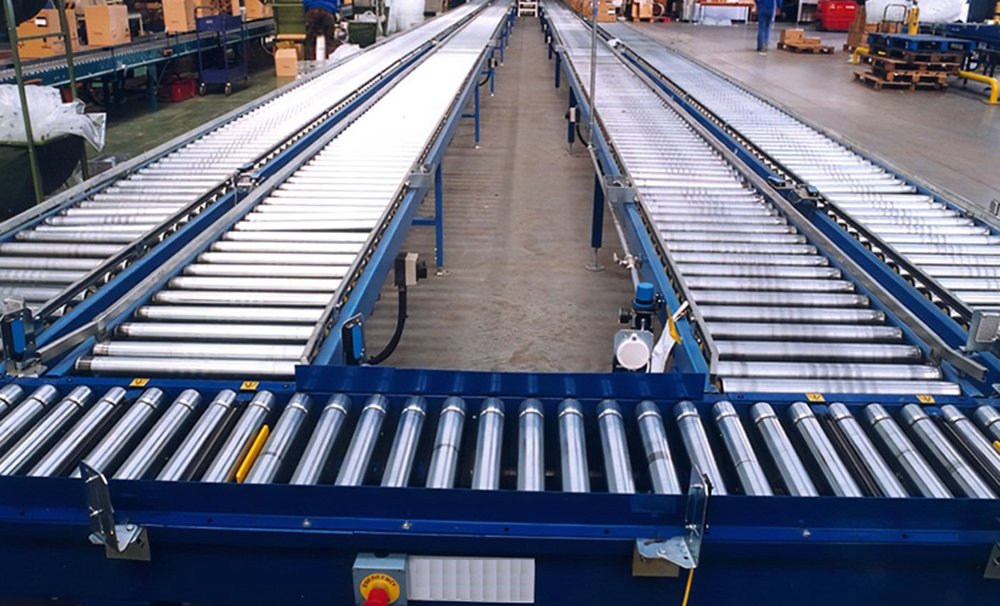
A powered roller conveyor is a mechanical conveying system in which rollers receive power from an electric motor. Depending on its design, the drive may use chains, belts, shafts, or individual motorized rollers. These components rotate the rollers and move products without requiring workers to push every item manually.
The conveyor can be designed with different roller diameters, widths, frame materials, and load capacities. Straight sections, curves, transfers, and accumulation zones may be combined to create a layout that matches the facility’s material flow.
How Products Move Through the System
When goods are placed on the conveyor, powered rollers move them toward the next processing or handling point. The motor and drive arrangement determine the movement and speed of the rollers.
Some systems operate continuously, while others use sensors and controls to start, stop, or regulate product movement. This can help coordinate transfers between workstations and prevent unnecessary congestion. For suitable applications, accumulation features allow products to wait temporarily before moving to the next stage.
The correct configuration depends on the size, weight, base, and handling requirements of the transported items.
Applications in Manufacturing and Logistics
A powered roller conveyor is widely used in manufacturing plants, warehouses, distribution centers, and packaging facilities. Assembly operations may use it to transfer components or completed products between workstations. In warehouses, it can move cartons and containers through packing, sorting, and dispatch areas.
Logistics facilities may use powered roller systems to connect receiving zones with storage or shipping operations. They can also support movement between automated equipment, such as packaging machines, scanners, and pallet handling systems.
For heavier loads, appropriately designed roller conveyors can transport pallets and industrial containers. However, the system must be selected according to the actual load and operating conditions.
Operational Advantages
Automated roller movement can reduce the need for repeated manual pushing and carrying. This may help employees focus on inspection, packing, assembly, and other tasks while goods travel along a defined route.
A powered system can also provide more controlled product movement than a purely manual conveyor. Speed regulation and sensor-based controls may help coordinate work between connected processes.
Another advantage is the ability to customize the layout. Businesses can select conveyor sections and accessories to suit available space, product flow, and future operational changes. When integrated properly, the system can help reduce unnecessary handling and support a more predictable workflow.
Selecting the Right Conveyor Configuration
Before purchasing a powered roller conveyor, identify the products being transported and determine their dimensions, weight, and base characteristics. Roller spacing must provide adequate support, while the frame and drive system should accommodate the required load.
Consider the conveying distance, operating speed, daily workload, and layout of connected machinery. Facilities handling different products may require adjustable controls, sensors, accumulation functions, or separate conveyor zones.
The operating environment also matters. Dust, moisture, temperature, and cleaning requirements can influence the choice of rollers, bearings, frame materials, and electrical components.
Maintenance and Workplace Safety
Routine maintenance helps protect conveyor performance. Inspect rollers, bearings, drive components, chains or belts, and frame connections for wear or damage. Keep the conveying surface clear and follow the manufacturer’s servicing recommendations.
Safety provisions should include suitable guarding, accessible emergency stops, and clear operating instructions. Employees should avoid reaching between moving rollers and follow approved isolation procedures before maintenance work.
Conclusion
A powered roller conveyor offers an effective way to automate product transfer across manufacturing, warehouse, and distribution environments. Its driven rollers, adaptable layout, and potential for sensor-based control make it suitable for many industrial workflows. Choosing the right load capacity, drive arrangement, controls, and safety features can help businesses create a reliable material handling system that supports efficient daily operations.